What is Gammarus Fish Food
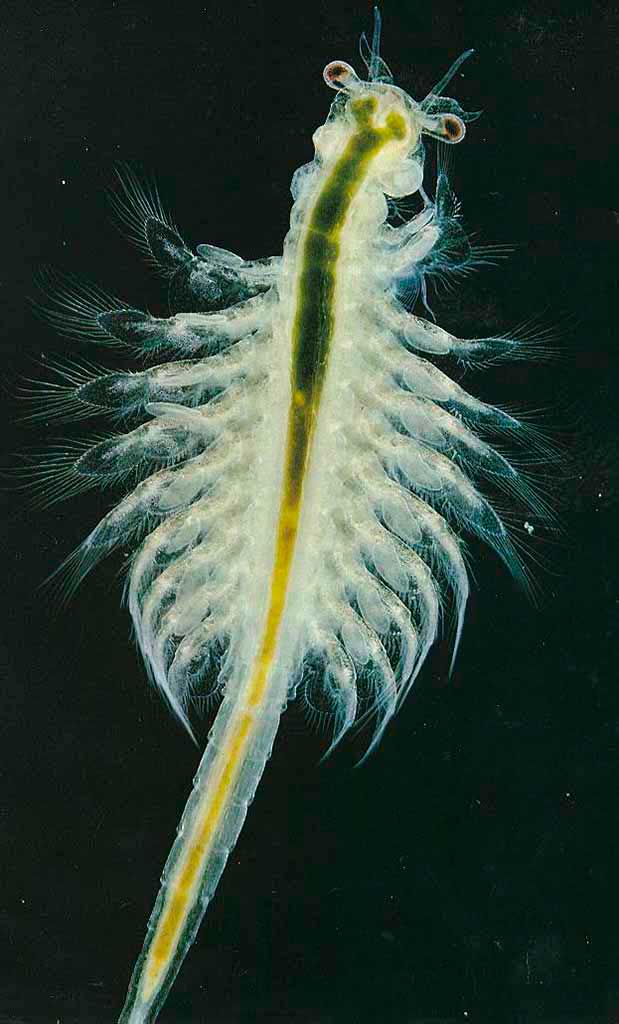
Gammarus fish food consists of small freshwater amphipods that have become one of the most popular feeds for aquarium fish. The scientific name of this species is Gammarus pulex, belonging to the order Amphipoda, which contains approximately 10,000 species. These crustaceans are also known as scuds or freshwater shrimp in some regions. Gammarus pulex was first described by Linnaeus in 1758 and is widely used not only in home aquariums but also in commercial fish farming operations.
Classification:
| Parameter | Value |
|---|---|
| Kingdom | Animalia |
| Phylum | Arthropoda |
| Class | Malacostraca |
| Order | Amphipoda |
| Family | Gammaridae |
| Genus | Gammarus |
| Species | Gammarus pulex |
Synonyms: scud, freshwater shrimp, sideswimmer, Rivulogammarus, Sinogammarus.
Distribution: This amphipod is widespread throughout the Northern Hemisphere. It inhabits fresh or slightly brackish waters, preferring clean environments with flowing water.
Biology and Description
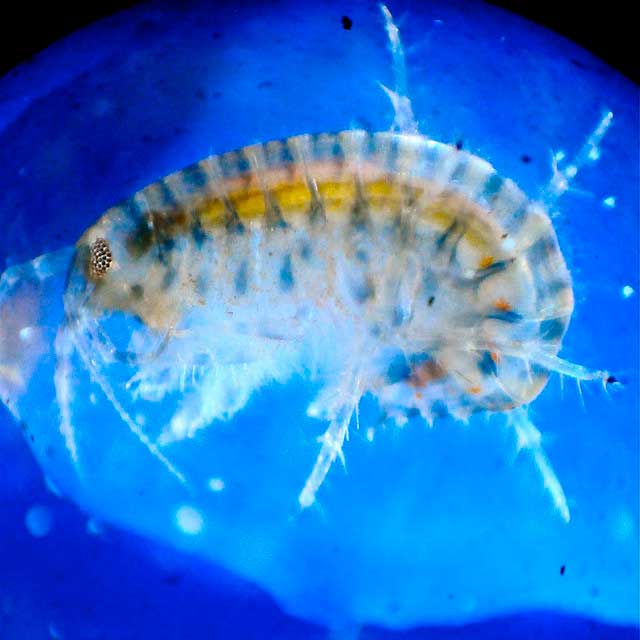
The amphipod has a curved body consisting of 14 segments covered by a hard chitinous shell. Body length typically reaches about 1 centimeter, though some individuals can grow to 1.5–2 cm. Larger amphipod species in the order can reach up to 3 centimeters.

This species has 14 pairs of appendages. The first two pairs are antennae serving as sensory organs. The first two pairs of thoracic legs bear simple claws used for grasping and holding food, and males use them to grip females during reproduction. The first three abdominal leg pairs are adapted for swimming, while the last three enable rapid jumping movements. The rear legs are covered with numerous bristles that function as an effective rudder.
Delicate gills are located beneath thin but durable plates of the thoracic appendages. These legs constantly perform oscillating movements, ensuring continuous water flow to the respiratory organs.
Habitat Conditions and Coloration
Gammarus pulex lives approximately one year. It tolerates temperature fluctuations from 0 to 26 degrees Celsius but prefers cool, shaded, oxygen-rich waters. This species is particularly sensitive to water quality and cannot tolerate pollution or low dissolved oxygen levels.
The chitinous shell color varies from brownish-green to light yellow, depending on the population’s food source. Green coloration develops when the animal feeds on plant matter, as plant pigments color the shell. Baikal populations feeding on small plankton may exhibit brown, colorless, or red coloration.
Reproduction
Gammarus pulex feeds and grows continuously. As it grows, molting occurs to shed the old, tight chitinous shell. Molts happen every 7 days in summer and every 16–17 days in winter. After the seventh molt, females develop special outgrowths on their abdominal appendages that form a brood pouch. Sexual maturity is reached after the tenth molt.

Reproduction can occur one to several times per year depending on habitat location. Colder regions see less frequent breeding. During mating, the male clings to the female’s shell and may ride for up to 7 days waiting for her next molt. When molting begins, the male helps remove the old shell and then fertilizes the eggs. Copulation lasts only a few seconds. Afterward, the male departs while the female deposits up to thirty large dark eggs in her brood pouch. In warm conditions, development takes two to three weeks. Young amphipods emerge from the brood pouch fully formed.
Collecting Gammarus Fish Food
Several simple methods exist for collecting gammarus:
Straw or hay bundle: Place a bundle at the bottom of a water body for several hours or overnight. Upon discovering this treat, amphipods quickly crawl between the straws and fill all gaps. Simply remove the bundle from the water and pick out your catch.
Burlap sack: Amphipods sometimes cling to burlap attached to a long pole, which is slowly dragged over the bottom. Only sacks made from natural fibers (hemp, linen) work for this method. After several minutes, remove the sack from the water and collect the animals by hand.
Net: If the water body contains many aquatic plants, try catching them with a net made from dense fabric or nylon stocking. Pass the net through vegetation and along the bottom, then pick out the amphipods.
The best collection time is early spring and autumn when water is cool and gammarus is most active. In warm summer water, their numbers may decline.
Storage Methods
You can store your catch live, dried, or frozen.
Live Gammarus Storage
To keep amphipods alive, place them in a container with water from their collection site. Cover the container bottom with substrate from the same water body. Store the container in a cool, dark location. Constant aeration is necessary as gammarus is very sensitive to oxygen deficiency. Change one-third of the water daily with fresh dechlorinated tap water.
Water temperature should remain between 4–12 degrees Celsius. At higher temperatures, amphipods quickly perish. Some facilities abroad even maintain Gammarus pulex breeding operations. In my experience, no instructions can replace hands-on practice with your specific amphipod population.
You can also wrap your catch in a damp cloth and place this bundle in a cool, dark location. If the package is not too large, the lower refrigerator shelf works well. Rinse the cloth and its contents daily. This method preserves amphipods for about one week.
Dried Gammarus
For large catches, drying is preferable. Follow these essential rules:
- Only dry fresh Gammarus pulex that has not begun to spoil.
- Some recommend rinsing the material with warm water before drying. This should be genuinely warm water, not boiling water, as heat treatment destroys vitamins.
- Dry outdoors in areas with air circulation. Spread amphipods in a thin layer on gauze stretched over a rectangular frame, allowing air circulation from below. Place the frame in shade under a canopy protecting from direct sunlight.
- Avoid “express drying” in an oven, as this significantly reduces nutritional value.
Dried feeds should ideally be used within three months if stored in non-airtight packaging with air access. Longer storage sharply reduces nutritional value. Store dried gammarus in a tightly closed jar in a dry, cool place.

Frozen Gammarus
Gammarus can be frozen following the same preparation recommendations as for drying. Divide the entire supply into small portions that can be consumed in one feeding or over one week. Freeze these portions at minus 18–25 degrees Celsius. Most modern household freezers handle this task.
According to some data, frozen amphipods can retain nutritional properties for up to two years. Never repeatedly thaw and refreeze food, as this destroys structure and reduces nutritional value.
Purchasing Gammarus Fish Food
You can buy gammarus at markets or pet supply stores. Live Gammarus pulex is most likely available at local markets selling animals and their feeds, or from private breeders.
For dried and frozen feeds, specialized stores or trusted long-term suppliers are preferable. Well-known dry food suppliers for aquarium fish include Tetra, Sera, Tropical, Nutrafin (Hagen), Dajana Pet, and others.
When purchasing, check the manufacturing date and expiration date. Remember that after breaking package seal, contents should be used within three months. Verify package integrity—it should not be damaged or swollen.
Nutritional Value

Gammarus fish food contains 12.8% dry matter. Of this, protein comprises 56.2%, fats 5.8%, and carbohydrates 3.2%. It is also rich in carotene, a provitamin of vitamin A, credited with enhancing the bright coloration of fish and birds.
Composition and Nutritional Value:
| Component | Value |
|---|---|
| Protein | 56.2% |
| Fats | 5.8% |
| Carbohydrates | 3.2% |
| Carotene | High content |
| Vitamins | A, B group |
| Minerals | Calcium, phosphorus |
This represents quite decent nutrition. However, feeding only gammarus is not recommended. As with all other fish feeding approaches, foods should be rotated. Varied nutrition is the foundation of fish health. Besides gammarus, I recommend using tubifex worms and glassworms to ensure a complete diet.
Feeding Fish with Gammarus
For general purposes, feeding gammarus fish food to your pets 1–2 times weekly is sufficient. Amphipods are relatively large, making them suitable for medium and large fish. For small fish or fry, gammarus can be crushed.
Dried gammarus can simply be rubbed lightly between fingers. Live or frozen Gammarus pulex can be pre-steamed for several minutes in hot water to soften chitinous shells, then cut into appropriately sized pieces.
Before feeding dried gammarus, I recommend soaking it in a small amount of aquarium water for 5–10 minutes. This prevents air from entering the fish digestive tract and improves food digestibility. Thaw frozen food at room temperature beforehand.
Feed fish small portions they can consume in 3–5 minutes. Remove uneaten remains, as they quickly spoil and degrade water parameters.
Important Warning: Gammarus Allergy
Remember that chitinous shells of all crustaceans and insects contain strong allergens. The same applies to cooked crayfish, crabs, and shrimp in human diets. When drying amphipods, their chitinous shells become very brittle.
During feeding, tiny particles of dried chitinous shells may form and remain suspended in the air for considerable time. These allergen-containing particles then contact the human body through respiratory pathways rather than the digestive tract.
If you notice skin itching, redness, tearing, or breathing difficulty after contact with dry feeds, seek medical help immediately. You need not abandon the aquarium hobby. The allergy is not to the aquarium itself. In the future, avoid using dry feeds and use live or frozen alternatives instead.
I recommend feeding fish in well-ventilated areas and avoiding inhalation of dust from dry food. Store dried gammarus in tightly sealed containers.
Conclusion
Gammarus fish food provides valuable, nutritious feed for your fish. Following the straightforward recommendations in this article minimizes any potential issues when using Gammarus pulex. In my experience, rotating various foods including gammarus ensures complete and varied nutrition for fish, positively affecting their health, coloration, and activity.
Article updated: 2026-10-27