шок у рыбки

How to prevent fish diseases

How to Prevent Fish Diseases in Your Home Aquarium

Finally, the aquarium is purchased, plants are planted, and fish are introduced. The joy of a novice aquarist knows no bounds, as their long-cherished dream has come true. But you should never forget that live aquarium fish and other inhabitants of the underwater world are living creatures and are susceptible to various diseases.

Читать далее...

petushok

Betta splendens and their diseases

Betta Fish (Betta splendens): Overview and Tank Conditions

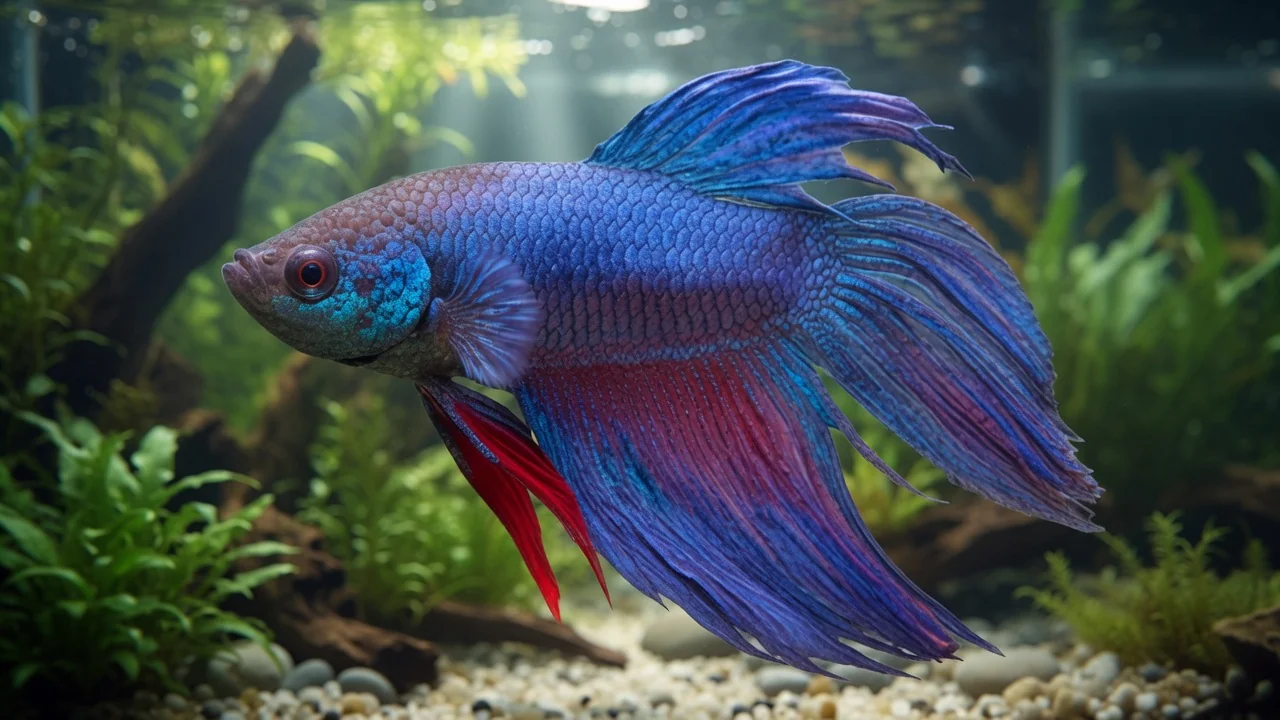
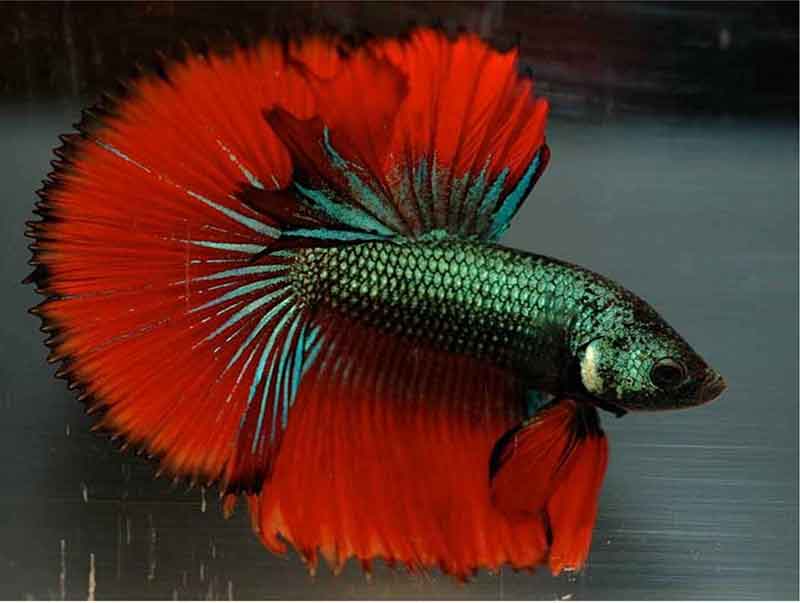
The Siamese fighting fish, commonly known as the betta (Betta splendens, Regan, 1910), captivates hobbyists worldwide with its breathtaking color variety and flowing finnage. Native to Southeast Asia — Thailand, Cambodia, and Vietnam — bettas inhabit slow-moving or stagnant freshwater bodies such as rice paddies, drainage ditches, and shallow ponds. Despite their elegant appearance, males are notoriously aggressive toward one another and must always be housed separately.

Читать далее...

фактор стресса

Aquarium fish shock

Aquarium Fish Shock: Causes, Symptoms, and Treatment

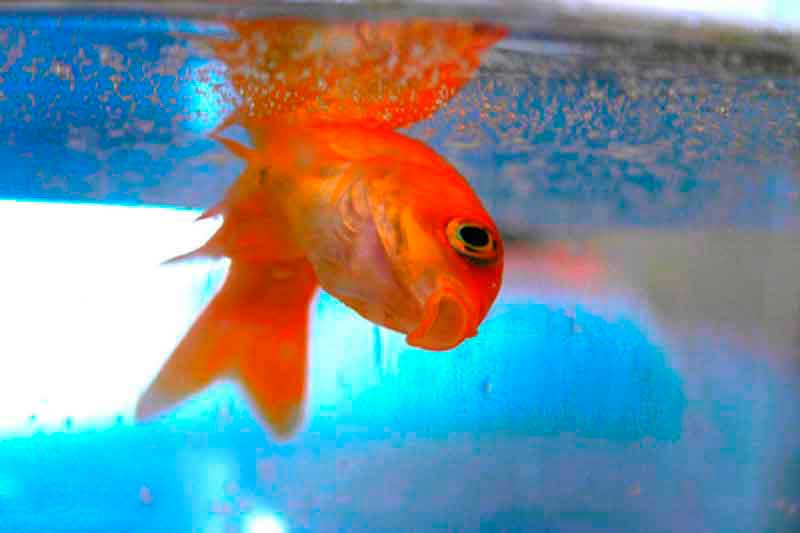
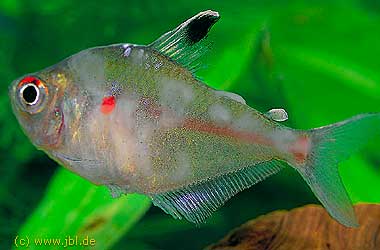
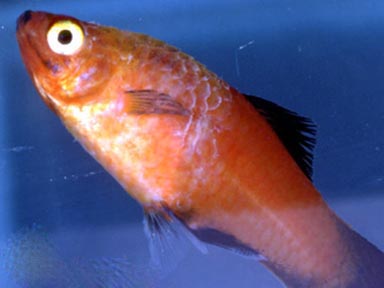
Aquarium fish shock is one of the most serious challenges that every fishkeeper encounters sooner or later. The symptoms vary widely and can mislead even experienced hobbyists. An affected fish may show sudden color fading, abnormally fast or slow gill movement, lethargy, or — on the opposite end — frantic, disoriented swimming as if desperately trying to escape. Eventually, panic gives way to complete stupor: the fish sinks to the bottom, often turns belly-up, and appears dead.

Читать далее...

costioz

Costiosis in aquarium fish

Costiasis in Aquarium Fish: A Complete Guide

Costiasis (also spelled costiosis) remains one of the most dangerous parasitic infections encountered by aquarium hobbyists. The causative agent — the flagellate Ichthyobodo necator (formerly known as Costia necatrix) — attaches to the skin epithelium and gills, feeding on host cells and mucus. Without timely intervention, the disease leads to mass mortality, particularly among fry and immunocompromised fish.

Читать далее...

Fish affected by columnaris disease showing white patches on body

Columnaris Disease in Aquarium Fish: Treatment Guide

Understanding Columnaris Disease

Columnaris disease is a bacterial infection caused by Flavobacterium columnare (formerly known as Flexibacter columnaris). Nearly every aquarist encounters this pathogen at some point, often mistaking it for a fungal infection. The confusion is understandable—affected areas develop grayish, cotton-like growths that resemble fungus.

Читать далее...

Branchiomyces fungus affecting fish gills

Branchiomycosis in Aquarium Fish: Gill Rot Guide

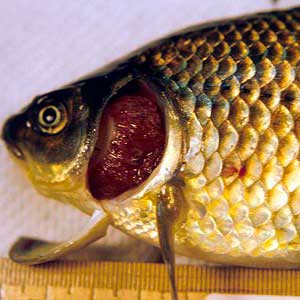
Branchiomycosis, commonly known as gill rot, is a dangerous fungal disease affecting the gill apparatus of aquarium fish. The causative agents are two species of fungi from the genus Branchiomyces — B. sanguinis and B. demigrans, which differ in morphological characteristics and developmental features. In my experience, this is one of the most insidious diseases capable of destroying a significant portion of aquarium inhabitants within just a few days.

Читать далее...

White spot disease (Ichthyophthirius) on aquarium fish showing characteristic white spots

Ich (White Spot Disease) in Aquarium Fish

Understanding Ich (White Spot Disease)

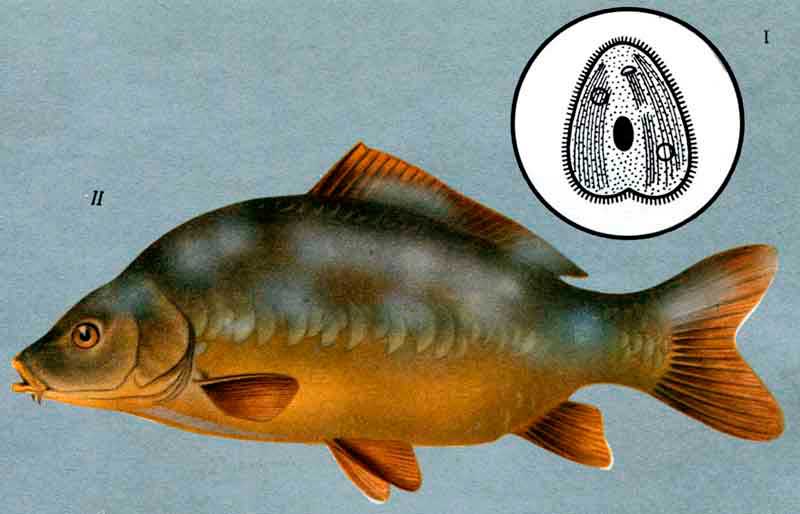
Ich, scientifically known as Ichthyophthirius multifiliis, is one of the most common and dangerous diseases affecting aquarium fish. In my experience, early recognition and proper treatment can save virtually all tank inhabitants. The parasite is a ciliated protozoan, roughly spherical or egg-shaped, measuring 0.5-1 mm in diameter. It moves through water using hair-like cilia covering its body.

Читать далее...