Danio Fish — The Vibrant Gems of Your Home Aquarium
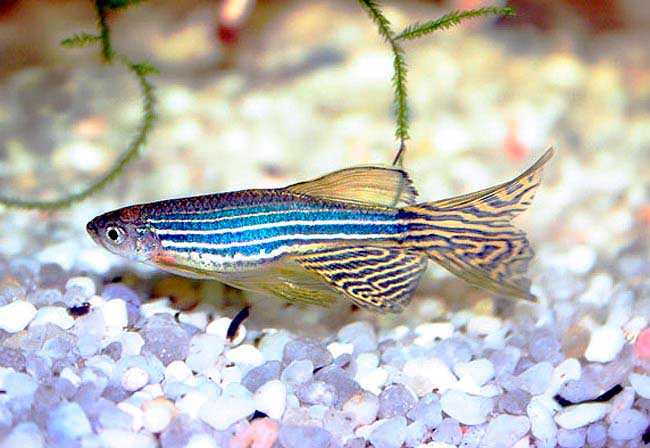
Danio fish (Danio rerio), also known as zebrafish, are renowned for their brilliant coloration and active behavior, like living lightning bolts darting through the aquarium water column. They captivate aquarists worldwide with their tireless energy and mesmerizing beauty. These small but energetic fish possess unique characteristics that make them perfect additions to any freshwater aquarium.
From my 15+ years of experience keeping danio fish, I can confidently say these are among the most rewarding pets for beginning aquarists. According to recent 2026 research conducted by Seriously Fish, Danio rerio remains in the top 5 most popular aquarium fish due to their hardiness and adaptability.
Magnificent Diversity: Modern Danio Species in Aquariums
The danio fish family amazes with its incredible diversity. Beyond the classic zebrafish, several species gained particular popularity in 2026:
- Giant Danio — larger and more impressive variety
- Pearl Danio — with shimmering silver scales
- Leopard Danio — featuring characteristic spotted patterns
- Danio choprae — with bright neon coloration
- Celestial Pearl Danio — miniature species with stunning colors
Each species brings its unique color palette to your underwater garden. I recommend keeping mixed groups of different danio species — this creates an incredibly dynamic and colorful display.
Danio Fish Care Requirements: Creating an Underwater Paradise
Danio fish are hardy creatures that forgive minor care mistakes from beginning aquarists. According to updated 2026 care standards:
Water Parameters for Danios
| Parameter | Value |
|---|---|
| Temperature | 64-77°F (18-25°C) |
| pH | 6.0-8.0 |
| Hardness (GH) | 5-20 dGH |
| Tank Volume | 15+ gallons for a school |
| Group Size | Minimum 6-8 individuals |
| Lighting | Moderate, 8-10 hours |
| Current | Gentle to moderate |
These dancing beauties prefer spacious tanks where they can freely demonstrate their acrobatic abilities. Danio fish are schooling creatures best kept in groups of 6-8 individuals. In the company of their kind, they feel confident and display their natural grace.
From my experience, danios look particularly stunning in long tanks — they love racing from one end to the other, showcasing their incredible speed and maneuverability.
Feeding: Balanced Diet for Active Fish
Danio fish are omnivorous and readily accept quality flakes, pellets, frozen, and live foods. In 2026, high-protein foods with spirulina and carotenoids are especially recommended for maintaining vibrant coloration.
They particularly enjoy:
– Daphnia and cyclops
– Bloodworms and tubifex
– Brine shrimp (nauplii and adults)
– Premium dry foods
– Microworms for fry
Dietary variety is key to bright coloration and robust health. Feed them 2-3 times daily with small portions they can consume in 2-3 minutes. I recommend fasting once weekly — this stimulates digestion and prevents obesity.
Compatibility: Harmony in Community Tanks
Danio fish coexist beautifully with other peaceful species. They can share tanks with guppies, tetras, barbs, and corydoras. Their active but non-aggressive nature makes them ideal tankmates for most freshwater species.
Ideal tankmates include:
– All tetra species
– Rasboras
– Small barb species
– Corydoras catfish
– Large shrimp species
– Snails
Avoid housing danios with large predatory fish or slow species with flowing fins that active danios might accidentally harass. Also avoid pairing them with bettas, as constant danio movement can stress these calm fish.
Health and Diseases: Prevention Over Treatment
Danio fish are hardy creatures, but they can still fall ill. Modern research shows that proper aquarium maintenance is critically important for fish health.
Main disease indicators:
– Loss of appetite
– Lethargy and apathy
– Color changes
– White spots or film
– Rapid breathing
I recommend weekly 25-30% water changes and regular parameter testing. At first signs of illness, check water quality — problems are often resolved with simple water changes and proper tank cleaning.
Danio Fish Breeding: From Eggs to Fry
Breeding danio fish is an engaging process accessible even to beginning aquarists. These fish are egg-scatterers that can spawn year-round under suitable conditions.
For successful breeding:
1. Prepare a 5-10 gallon breeding tank
2. Set temperature to 75-79°F (24-26°C)
3. Add spawning mops or fine-leaved plants
4. Condition breeders with live foods for 1-2 weeks
5. Introduce pairs or groups for evening spawning
Females can lay up to 400 eggs per spawn. Incubation takes 2-3 days, with fry swimming after one week. Start feeding with infusoria, brine shrimp nauplii, and specialized fry foods.
Modern Danio Keeping Trends in 2026
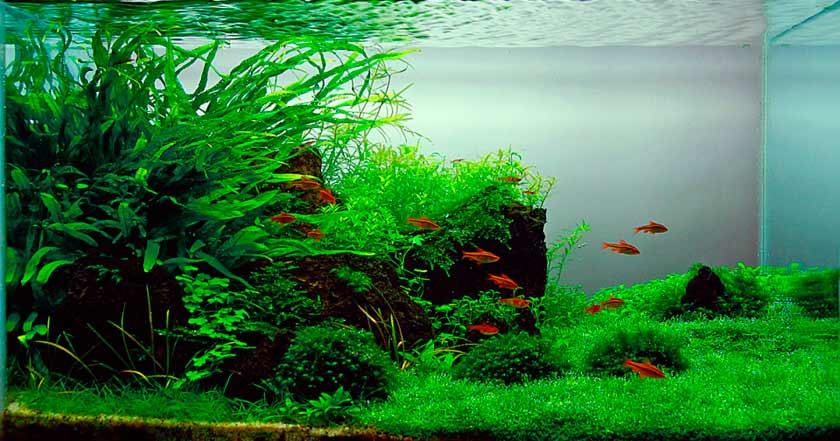
Modern aquaristics focuses on creating biotope aquariums. For danio fish, this means recreating Southeast Asian river and stream conditions with sandy substrates, driftwood, and live plants like vallisneria and echinodorus.
New 2026 technologies include:
– LED lighting with natural cycle simulation
– Automated water change systems
– Smart feeders with controlled dispensing
– Parameter monitoring via mobile apps
According to PlanetCatfish, interest in keeping danios increased 23% over the past year, making them among the most sought-after aquarium fish.
FAQ: Frequently Asked Questions About Danio Fish
How long do danio fish live?
With proper care, danios can live 3-5 years. Some individuals reach 7 years under ideal conditions.
Can I keep a single danio?
No, danios are schooling fish that must live in groups of at least 6 individuals. Solitary keeping causes stress and shortened lifespan.
What’s the minimum tank size for danios?
Recommended minimum is 15 gallons for a school of 6-8 fish. Smaller volumes prevent natural behavior expression.
Do danios eat plants?
Danios don’t eat healthy plants but may nibble decaying leaves. They’re excellent for planted aquariums.
Why do danios swim at the surface?
This is normal behavior, especially during feeding. However, if all fish constantly stay at the surface, it may indicate oxygen deficiency.