Do you know what a beloved geranium on your windowsill has in common with happy aquarium fish at home? That’s right — enchytraeids! These white worms you’ve probably seen in the soil of potted houseplants can become excellent food for your aquarium inhabitants.
When I first started in aquaristics, I bought food from stores and thought live foods were something from advanced fishkeeping. Until one day I was repotting a ficus and discovered an entire colony of enchytraeids in the old pot. That’s when I had the brilliant idea: what if…
What are enchytraeids and why they’re so good
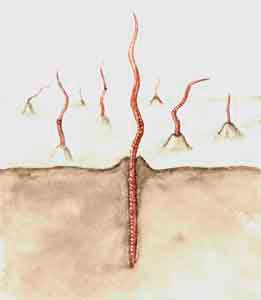
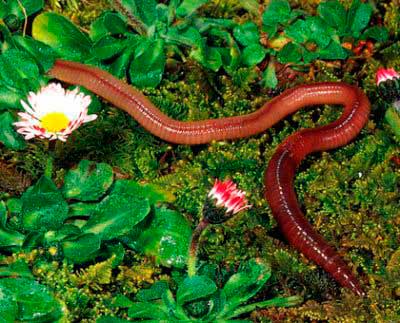
Enchytraeids (Enchytraeus) are small white worms 1-3 centimeters long, relatives of earthworms, only miniature. In nature, they inhabit soil where they do noble work — processing organic matter. According to Aquarium Science, these worms are among the most nutritious live foods for aquarium fish.
First, enchytraeids contain about 70% protein and 14% fat — it’s like steak for fish, only better. Second, they’re small enough for even small fish like guppy fry or juvenile tetras to enjoy. Third, and most importantly — they’re relatively easy to breed at home, making them a very attractive supplemental food for your pets.
In 2026, research has shown that regular feeding with enchytraeids improves fish coloration by 30% and boosts their immunity.
Nutritional value of enchytraeids
| Parameter | Value |
|---|---|
| Protein | 70% |
| Fat | 14% |
| Carbohydrates | 8% |
| Ash | 8% |
| Size | 1-3 cm |
| Calories | 380 kcal/100g |
Where to get starter culture of enchytraeids
There are three paths, like all fairy tale heroes. First — dig in the garden or park under old boards, leaf piles, near compost pits. Second — ask an aquarist friend (we’re generous folk, by the way). Third — buy at a pet store or order online.
I went the second route — my neighbor aquarist Vadim has been breeding enchytraeids for several years and gladly shared his culture. Though he warned: “Petrov, it’s like sourdough starter — miss the temperature or overfeed, everything dies.” He was right.
In 2026, specialized online stores appeared that deliver starter cultures with quality guarantees. In my experience, this option is most reliable for beginners.
Preparing “housing” for the worms
For breeding, you’ll need a 2-5 liter plastic container with a lid. I use regular food containers — they cost pennies, and if something goes wrong, it’s no loss. Make sure to drill 2-3mm ventilation holes in the lid, or the worms will suffocate.
Now about substrate. The classic option is garden soil mixed with peat in a 1:1 ratio. Soil should be loose, light, without fertilizers or chemicals. Once I took soil from a flowerbed where granular fertilizer was applied in spring — the entire culture died within a week.
Substrate should be moist but not wet. Simple test: squeeze in your fist — no water drips, but the lump holds its shape. Substrate pH should be neutral (6.5-7.5).
Modern substrate alternatives
In 2026, many aquarists switched to coconut fiber mixed with sphagnum moss. Such substrate holds moisture better and acidifies less frequently.
Enchytraeid keeping conditions
Temperature is sacred. Optimal for enchytraeids: 15-20°C (59-68°F). At temperatures above 25°C (77°F) they feel like I do in the subway during rush hour in summer — bad and want to escape. Below 10°C (50°F) they enter dormancy.
Where to keep the container? I found the perfect spot — on the corridor floor, in the coolest corner of the apartment. In winter, even on a glazed balcony works if temperature doesn’t drop below freezing. Main thing — away from radiators and sunlight.
Optimal keeping parameters
| Parameter | Value |
|---|---|
| Temperature | 15-20°C (59-68°F) |
| Substrate moisture | 60-70% |
| Substrate pH | 6.5-7.5 |
| Lighting | Dark location |
| Ventilation | Essential |
Feeding enchytraeids: modern approach

Enchytraeids are undemanding but gourmands. In 2026, the list of suitable foods expanded significantly:
- White bread soaked in milk (classic)
- Oat flakes
- Boiled potato without salt
- Baby food without sugar
- Specialized worm feeds
- Yeast
- Boiled carrot
My favorite 2026 recipe: mix oat flakes with baby food and add a pinch of dry yeast. Soak to porridge consistency and spread on surface in a 5mm layer. Sprinkle thin layer of substrate on top.
Main rule — don’t overfeed! Food remains start rotting, unpleasant smell appears, fruit flies emerge. I feed every 3-4 days with small portions.
Enchytraeid reproduction and harvesting
Under optimal conditions, enchytraeids multiply very rapidly. One worm can produce up to 50 offspring per month. After 2-3 weeks from culture start, you can begin first harvests.
For collection, I use a simple method: place bread piece on surface, then after 24 hours carefully remove it with attached worms. In my experience, it’s best to collect worms in the morning — they’re most active then.
Before feeding fish, I rinse enchytraeids in a net under running water. This is important, especially if you plan to feed fry or sensitive fish.
Who especially benefits from enchytraeids
Enchytraeids are universal food, but especially beneficial for:
- Fry and juveniles
- Fish during spawning period
- Fish weakened after illness
- Cichlids (like those discussed in cichlid feeding guides)
- Fish refusing dry food
Enchytraeids combine excellently with other live foods like bloodworms or grindal worms, creating a diverse diet.

Possible problems and solutions
Worms crawling out of substrate — too wet or hot. Reduce watering and move to cooler location.
Unpleasant smell — overfeeding or substrate souring. Remove food remains, add fresh substrate.
Fruit flies appeared — cover surface with thin sand layer or use tighter lid.
Worms not reproducing — check temperature and humidity, possibly need fresh food.
Enchytraeid FAQ
Can I feed enchytraeids to fish daily?
Yes, but better alternate with other foods. As with proper aquarium fish feeding, variety is key to health.
How long do enchytraeids live?
In culture, individual specimens live 2-3 months, but the population self-reproduces and can exist for years.
Are enchytraeids from flower pots safe?
Better not risk it — potting soil may contain fertilizers and pesticides. Use verified sources.
Can I freeze enchytraeids for storage?
Yes, frozen enchytraeids retain most nutrients. Freeze in small portions using ice cube trays.
How often to renew substrate?
Complete substrate replacement needed every 3-4 months. Partial renewal (one-third volume) — monthly.
Enchytraeids are a simple way to provide your fish with quality live food year-round. Compared to purchased foods, home-bred enchytraeids cost several times less while surpassing many alternatives in nutrition. Try it — and your fish will thank you with bright colors and active behavior!