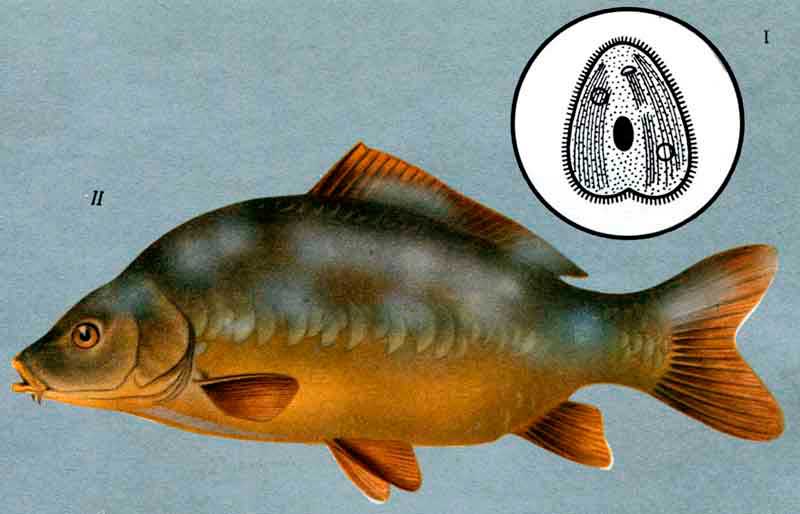
Chilodonellosis is an invasive disease of aquarium fish caused by the protozoan Chilodonella cyprini, a ciliated infusorian. The parasite has a heart-shaped, elongated, flattened, transparent body covered with cilia. The parasite measures 45-70 μm in length and 38-57 μm in width.
Pathogen Characteristics and Development Conditions
Chilodonella cyprini thrives at temperatures between 5-10°C, which is why this disease is relatively rare in home aquariums with tropical fish, especially when temperatures don’t drop below 20°C. However, in my experience, this doesn’t mean complete safety for warmth-loving species.
At elevated temperatures above 25°C, the pathogen forms cysts that can remain viable for extended periods without host fish. The infusorian Chilodonella cyprini deposits its cysts in the substrate, making them resistant to virtually any aggressive environmental impacts. The parasite remains viable in cyst form, waiting for favorable conditions to activate.
Transmission Routes
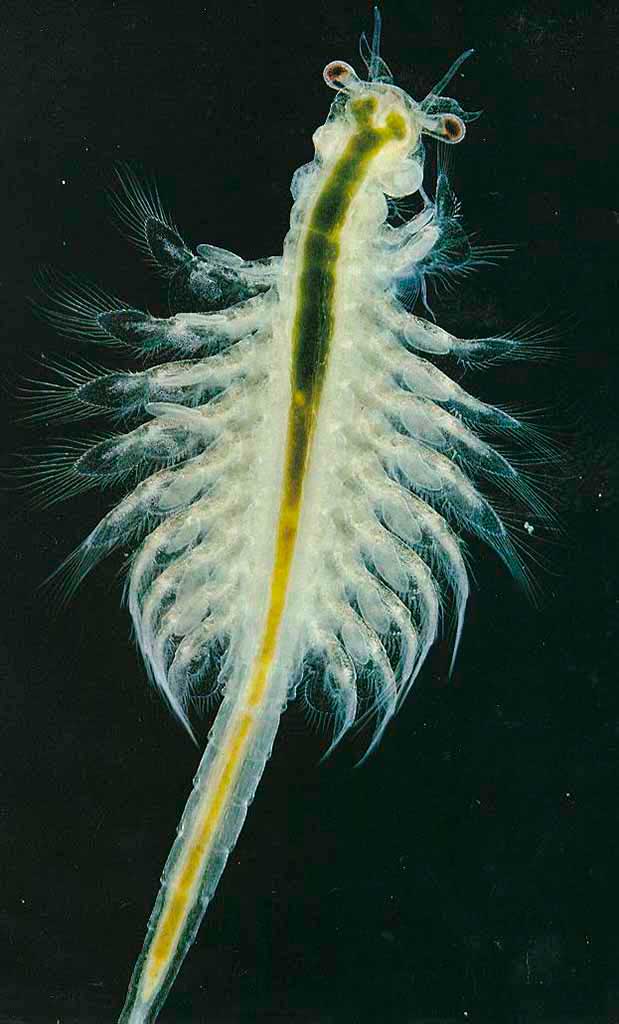
Like most fish parasites, the chilodonellosis pathogen enters the aquarium through live food (especially tubifex and bloodworms), plants, or substrate from natural water bodies. I always recommend thorough disinfection of all items before introducing them into the aquarium. The pathogen can also arrive with infected fish, plants, food, substrate, or equipment.
The parasite feeds on mucus and sloughed epithelial cells, reproducing on the skin surface. Specialists identify a mixed form of chilodonellosis when the parasite colonizes both skin and gills.
Symptoms of Chilodonellosis
Chilodonellosis can be identified by characteristic signs:
- Behavioral changes: infected fish rub against rocks and plants and clamp their fins
- Reduced appetite: sometimes appetite disappears, which is an early sign of disease
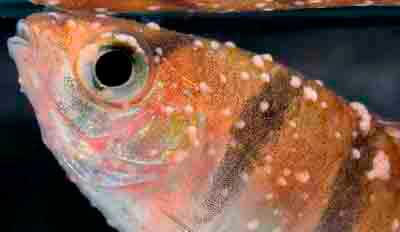
- Characteristic coating: a bluish-matte coating is visible along the lateral line and slightly above it. In my experience, this coating is often noticeable only at certain lighting angles
- Fin curling: with this disease, fins don’t fray but their tips appear to curl
- Lethargy: fish clamp their fins, stop moving and hang in one place, then rise to the surface or sink to the bottom
When gills are affected, the clinical picture differs: the coating is absent, the fish becomes restless, frequently approaches the water surface, sometimes attempts to jump out, then becomes lethargic. Fish experience oxygen starvation and almost constantly stay in the upper water layers, periodically gulping atmospheric air.
A couple of days before an outbreak in the aquarium, slight water cloudiness may be observed, which against the background of temperature decrease indicates a high probability of chilodonellosis appearance.
Treatment of Chilodonellosis
Effective treatment depends on the disease stage and fish condition. I recommend the following approach:
Early Detection
Fish are transferred to a quarantine tank with 0.04 mg/L malachite green added. After two days, fish are free of parasites. Chilodonellosis is treated with table salt, Sera Omnisan, or Costapure preparations. Antibiotics and dyes are used in advanced cases—levomycetin at a concentration of 3 grams per 100 liters of water.
Advanced Stage
If fish deaths are observed in the main aquarium, medicinal treatment in a quarantine tank should be postponed, as the fish are weakened. In this case, I advise acting cautiously:
- Raise the water temperature in the aquarium to 30-32°C while providing aeration
- Maintain this temperature until fish begin to feed actively and regain strength. High temperature kills part of the parasites
- Create favorable conditions and wait until fish begin to show appetite
- Only after appetite recovery can treatment begin without risk of causing harm
It’s important to remember that a weakened organism won’t tolerate high concentrations of medicinal preparations.
Prevention
Preventing chilodonellosis is significantly easier than treating it. In my experience, key preventive measures include:
- Quarantine new fish: purchased fish should be quarantined and undergo antiparasitic baths
- Substrate and plant treatment: thorough treatment of all landscape items is necessary—calcine substrate, treat plants with potassium permanganate baths, boil rocks
- Stable maintenance conditions: maintain optimal fish-keeping conditions, avoiding overcrowding and stress
- Temperature control: avoid sharp temperature fluctuations that activate parasite cysts
- Regular inspection: regular examinations of fish for diseases and parasites help detect and prevent chilodonellosis outbreaks in time
In aquariums where favorable conditions for fish life are created, fatal outcomes from this disease are practically never observed. However, if fish have wounds on their body surface, there’s a high probability of secondary infection, which will significantly weaken the immune system.
Chilodonellosis requires attentive prevention and timely diagnosis. Similar symptoms may occur with costiosis, so accurate microscopic diagnosis is important. Like other parasitic diseases, it can be confused with ichthyophthyriasis at early stages, making proper identification crucial for effective treatment.
Article updated: 2026-07-22