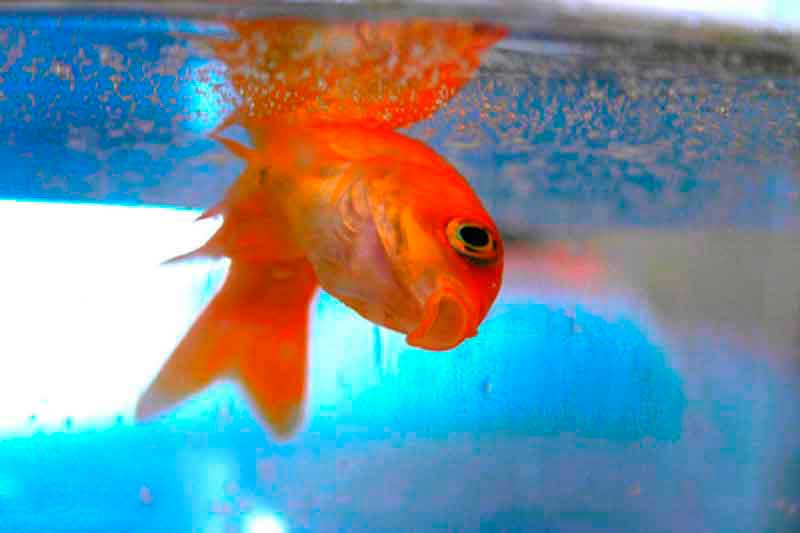
шок у рыбки

How to prevent fish diseases

How to Prevent Fish Diseases in Your Home Aquarium

Finally, the aquarium is purchased, plants are planted, and fish are introduced. The joy of a novice aquarist knows no bounds, as their long-cherished dream has come true. But you should never forget that live aquarium fish and other inhabitants of the underwater world are living creatures and are susceptible to various diseases.
Читать далее...

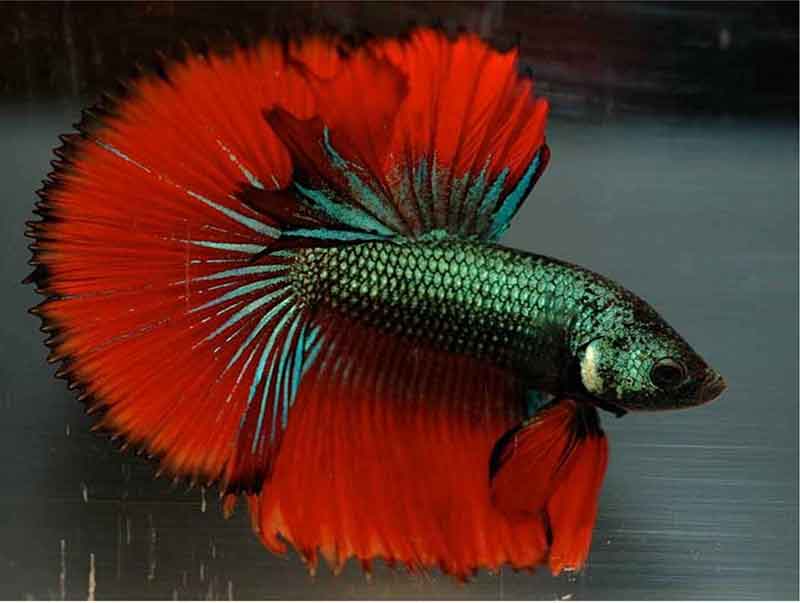
petushok

Betta splendens and their diseases

Betta Fish (Betta splendens): Overview and Tank Conditions

The Siamese fighting fish, commonly known as the betta (Betta splendens, Regan, 1910), captivates hobbyists worldwide with its breathtaking color variety and flowing finnage. Native to Southeast Asia — Thailand, Cambodia, and Vietnam — bettas inhabit slow-moving or stagnant freshwater bodies such as rice paddies, drainage ditches, and shallow ponds. Despite their elegant appearance, males are notoriously aggressive toward one another and must always be housed separately.

Читать далее...

Хилодонеллез рыб

Chylodonellosis of aquarium fish

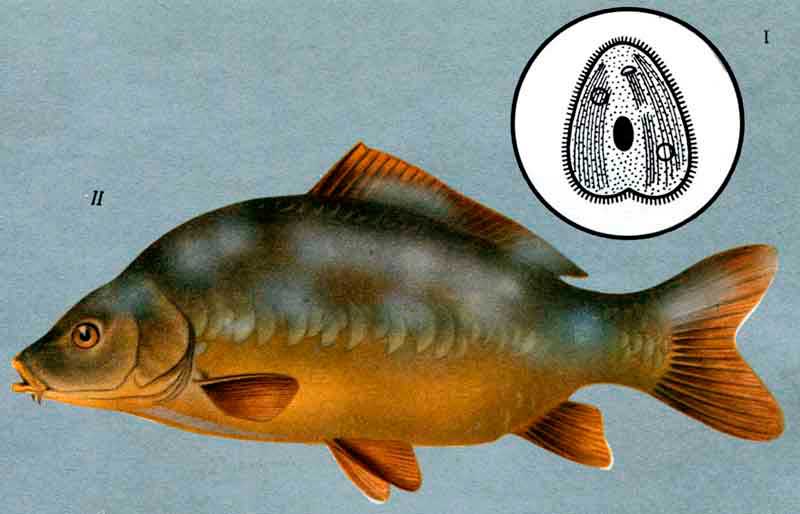
Chylodonellosis is an invasive pathology in fish caused by the protozoan Chilodonella cyprini, which belongs to the infusoria. Curiously, but the causative agent of chilodonellosis feels comfortable at a temperature of aquarium water up to 10 degrees Celsius. It is for this reason, this pathology occurs in home aquariums is quite rare, especially if they do not fall below 20 degrees Celsius.

Читать далее...

фактор стресса

Aquarium fish shock

Aquarium Fish Shock: Causes, Symptoms, and Treatment

Aquarium fish shock is one of the most serious challenges that every fishkeeper encounters sooner or later. The symptoms vary widely and can mislead even experienced hobbyists. An affected fish may show sudden color fading, abnormally fast or slow gill movement, lethargy, or — on the opposite end — frantic, disoriented swimming as if desperately trying to escape. Eventually, panic gives way to complete stupor: the fish sinks to the bottom, often turns belly-up, and appears dead.

Читать далее...

costioz

Costiosis in aquarium fish

Costiasis in Aquarium Fish: A Complete Guide

Costiasis (also spelled costiosis) remains one of the most dangerous parasitic infections encountered by aquarium hobbyists. The causative agent — the flagellate Ichthyobodo necator (formerly known as Costia necatrix) — attaches to the skin epithelium and gills, feeding on host cells and mucus. Without timely intervention, the disease leads to mass mortality, particularly among fry and immunocompromised fish.

Читать далее...