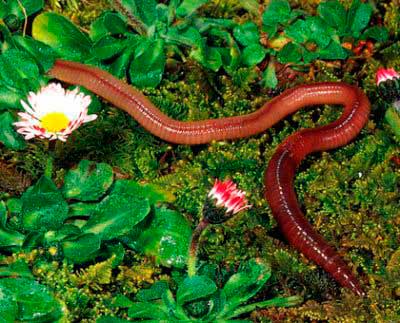
What Are Earthworms
Earthworms are a valuable live food for aquarium fish, matching the nutritional quality of tubifex worms. These invertebrates belong to the suborder Lumbricina and are found worldwide.
Taxonomy:
- Domain: Eukaryota
- Kingdom: Animalia
- Phylum: Annelida
- Class: Clitellata
- Order: Haplotaxida
- Suborder: Lumbricina
- Scientific name: Lumbricina
About 50 species of earthworms inhabit Russia. These hermaphroditic creatures reproduce sexually, laying cocoons that produce 10-15 young worms each.
Natural Habitat of Earthworms
Earthworms live in moist soil rich in humus, decayed leaves, and organic matter. They earned their name from the habit of surfacing during and after rain—the best time for collection.
In my experience, after a warm summer rain, you can gather sufficient worms even in urban areas by simply picking them from sidewalks and lawns. This makes earthworms one of the most accessible live foods available.
Setting Up a Worm Farm
If you want a steady supply of earthworms, I recommend establishing a simple feeding station. This works especially well for those living outside cities, though urban dwellers can also find suitable plots.
Step-by-step instructions:
- Choose a shaded area (under a tree or near a building)
- Dig the soil to a depth of 20-30 cm
- Add organic matter: compost, fallen leaves, straw, vegetable scraps, cabbage cores
- Water thoroughly
- Maintain constant moisture, especially during dry weather
During hot days, you may need to water 2-3 times daily. When you need worms for feeding, simply dig up the required amount and add fresh organic matter.
Understand that a summer “farm” is more of an attractive oasis drawing worms from surrounding areas than a breeding facility. Creating true breeding conditions at home is challenging due to their annual life cycles, though California red worms are successfully bred for composting.
Storing Earthworms
Before cold weather arrives, you can stock up on worms. I use two storage methods:
Short-term storage (up to a month): Place worms in damp canvas bags and store at +5…+15°C. Prevent overheating and freezing.
Long-term storage (several months): Use a wooden box filled with a mixture of sand, hardwood sawdust, fallen leaves, and turf. Periodically feed worms with milk, cornmeal, or soaked white bread.
Preparing Earthworms for Feeding
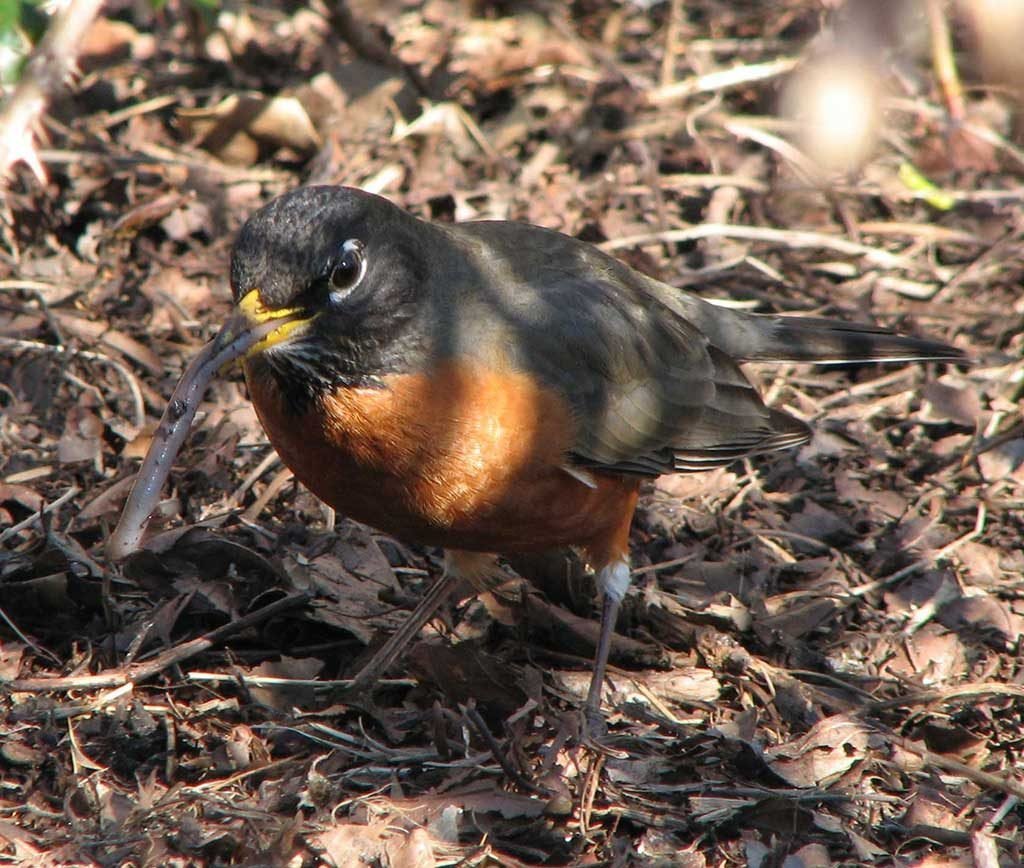
Never feed freshly dug worms to your fish! Proper preparation is essential:
- Keep worms for 2-3 days in clean water or moist substrate to purge their digestive systems of soil and waste
- Rinse thoroughly under running water to remove slime
- For small fish, chop worms with a blade, scissors, or specialized cutter
- Cut large worms into pieces even for big fish
Absolutely forbidden: Never use household chemicals or detergents to drive worms from soil! Such worms are toxic to fish, and chemicals cause long-term damage to soil ecosystems.
Which Fish Eat Earthworms
Earthworms are nutritious but fatty food, not suitable for all aquarium inhabitants. In my experience, they’re particularly appreciated by:
- Large cichlids (Astronotus ocellatus, Cichlasoma meeki)
- All goldfish varieties (Ryukins, veiltails, telescopes)
- Large catfish
- Other omnivorous medium and large fish
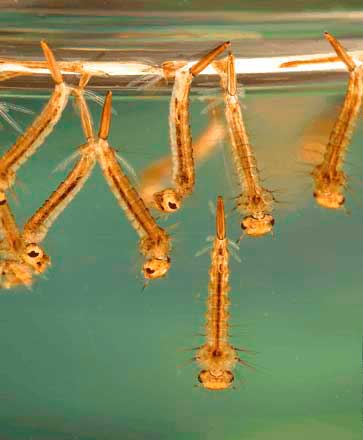
Small fish can receive chopped worms, but feed sparingly due to high nutritional content. I recommend alternating earthworms with other live foods—gammarus, mosquito larvae, and tubifex.
Nutritional Value and Feeding Frequency
Earthworms contain approximately 70% protein and 15% fat in dry matter, making them highly caloric food. I don’t recommend feeding worms more than 2-3 times weekly to prevent obesity.
Exercise particular caution with sedentary goldfish breeds and large cichlids—they’re prone to overeating. Better to offer worms as a treat and supplement to the main diet rather than a staple food.
Ecological Considerations
Earthworms play a crucial role in soil ecosystems: they aerate earth, process organic matter, and improve soil structure. Collect them responsibly without depleting any single location completely, and never use chemical extraction methods. Nature requires years to recover from chemical soil contamination.
Article updated: 2026-09-11