Why Mosquito Larvae Matter in Fish Nutrition
Live foods form an essential component of a balanced diet for aquarium fish. Alongside bloodworm, earthworms, and grindal worms, mosquito larvae represent an accessible and nutritious option you can collect yourself. In my experience, dietary variety through live foods significantly improves fish health, coloration, and breeding readiness.
Mosquito larvae come in several forms, each with distinct characteristics and feeding applications. Understanding these differences helps you choose the right option for your specific fish community.
Glassworms (Chaoborus): The Transparent Hunter
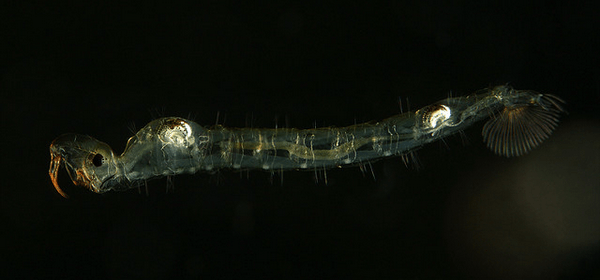
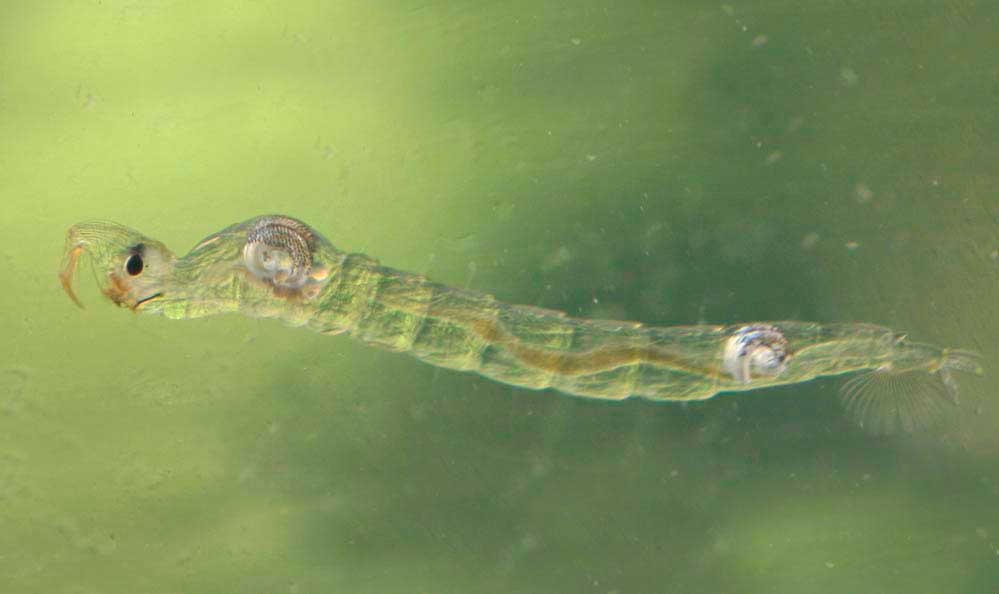
Glassworms, scientifically known as Corethra or Chaoborus (family Chaoboridae), rank among the most interesting mosquito larvae for aquarium use. These larvae possess semi-transparent, spindle-shaped bodies with well-developed mandibles, reaching 10-12 mm in length.
Feeding Behavior and Benefits
Unlike bloodworms that settle on the substrate, glassworms actively swim in the water column. This behavior triggers natural hunting instincts in fish, providing both physical exercise and mental stimulation. Watching your fish pursue these mobile targets offers genuine entertainment value.
I recommend glassworms primarily for adult fish. Their predatory nature makes them completely unsuitable for fry tanks or breeding setups—they will actively hunt fish eggs and newly hatched fry.
Nutritional Profile
Glassworms contain approximately 42% protein, 5.4% fat, 5% ash, and 49% carbohydrates on a dry matter basis. While nutritious, their overall feeding value falls below that of bloodworm, positioning them as a supplementary rather than primary live food. Feed 1-2 times weekly as part of a varied diet.
Collection and Storage
Collect glassworms during cold months, as warmer temperatures accelerate their pupation into adult mosquitoes. Use a fine-mesh net made from nylon or synthetic fabric, sweeping through vegetation-rich areas of ponds and slow-moving water.
Store glassworms wrapped in damp, well-wrung cloth on the lower refrigerator shelf at approximately 5°C (41°F). They can survive several days in aquariums, typically hiding among plants near the surface, though most fish will consume them quickly.
Culex Larvae: The Classic Wiggler
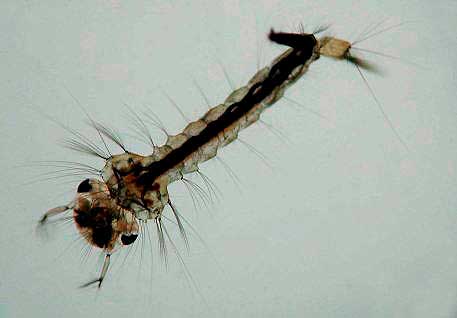
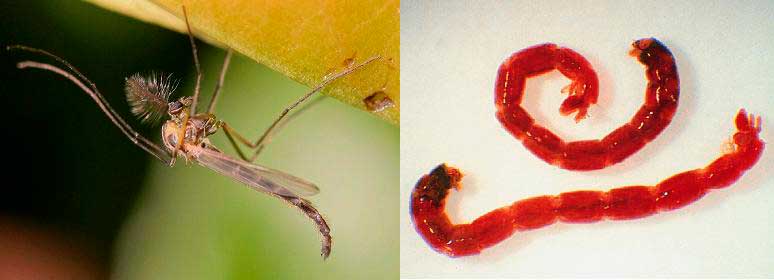
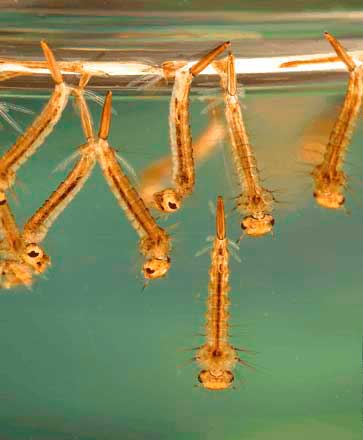
The genus Culex (true mosquitoes) encompasses roughly 1,200 species worldwide. Larvae of the common house mosquito (Culex pipiens) display grey-black coloration and grow to approximately 10 mm length.
Distinctive Biology
Culex larvae feature a large head with sensory bristles, segmented body, and characteristic breathing siphon at the tail end. They hang head-down from the water surface, maintaining contact with air through this respiratory tube. When disturbed, they dive toward the bottom in rapid zigzag movements—a behavior that makes them irresistible to many fish species.
Superior Nutritional Value
Research indicates Culex larvae possess higher nutritional value than bloodworm. Female fish fed regularly on these larvae demonstrate increased fecundity and produce healthier egg clutches. This makes them particularly valuable during breeding conditioning periods.
Where to Find Culex Larvae
These larvae thrive in any fishless water body—rain barrels, puddles, ditches, ornamental ponds, and even neglected buckets. Summer provides peak abundance. Collect by positioning your net beneath a cluster and sweeping upward in one quick motion.
Safe Handling Protocol
Store Culex larvae like glassworms: wrapped in moist cloth at 5°C. Transport in jars covered with fabric or dense cheesecloth. Before introducing larvae to your aquarium, invert the jar briefly to eliminate any adults that have already emerged.
Critical warning: Uneaten larvae will complete their life cycle and emerge as biting adults in your home. Start with small quantities to gauge your fish’s appetite and feeding speed. Adjust portions accordingly to ensure complete consumption.
Fungus Gnat Larvae: An Alternative Option
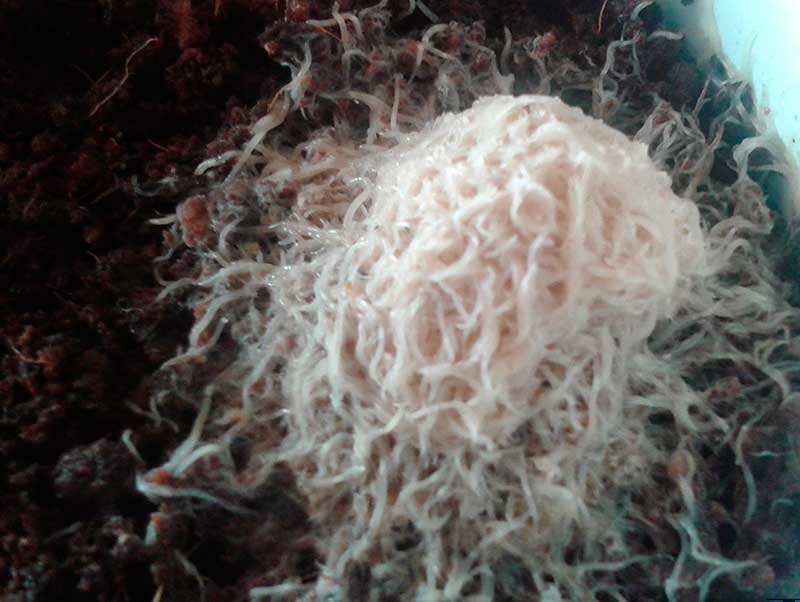
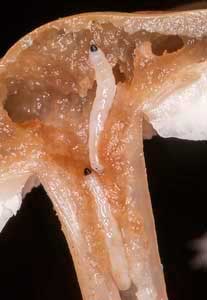
Fungus gnats (Mycetophilidae, sciarids) comprise a diverse family of 150 genera containing approximately 4,000 species. These insects earned their name from their habit of depositing eggs in fungal fruiting bodies.
Larvae reach 10 mm length with milky-white coloration. A single mushroom may harbor up to 1,000 larvae. You can culture these at home using fresh or rehydrated dried mushrooms—boletes work particularly well. This provides a renewable live food source, though most aquarists find wild collection more practical.
Practical Feeding Guidelines
All mosquito larvae eventually metamorphose into flying adults. Some species deliver painful bites, so avoid conditions that accelerate development—primarily warmth and bright light. Refrigerated storage slows this process significantly.
Matching Food Size to Fish
Select larvae appropriate for your fish dimensions. Small larvae suit nano species and juveniles; larger specimens work for adult medium and large fish. Proper sizing ensures efficient consumption and minimizes waste.
Integration with Overall Fish Feeding Strategy
In my experience, regular access to live foods—even if interrupted during winter months—substantially improves fish resilience when they must temporarily rely on prepared foods. Fish receiving live food at every opportunity develop stronger immune systems and show greater disease resistance.
Beyond the species discussed here, spring through autumn offers opportunities to collect various other aquatic insect larvae from forest pools and ponds. Amphipods like Gammarus provide another excellent option. This diversity keeps fish engaged and nutritionally balanced.
Conclusion
Mosquito larvae represent an accessible, nutritious, and engaging live food option for most aquarium fish. Whether you choose glassworms for their swimming behavior, Culex larvae for their superior nutrition, or experiment with fungus gnat larvae, your fish will benefit from the dietary enrichment. Start conservatively, observe your fish’s response, and adjust your collection and feeding practices based on results. The effort invested in providing live foods pays dividends in fish health, coloration, and breeding success.
Article updated: 2026-09-14