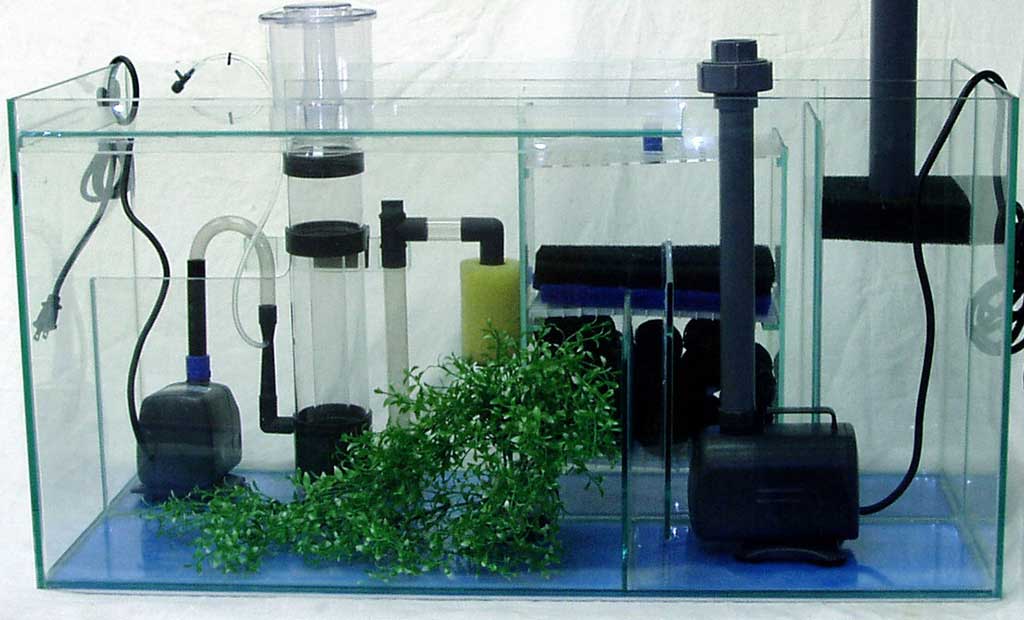
Do you need a filter in your aquarium? This question crosses every beginner’s mind when setting up their first tank. Despite seeming straightforward, there’s no one-size-fits-all answer. Pet stores will likely insist filtration is mandatory, but in my experience, numerous situations exist where you can successfully maintain a healthy aquarium without one.
Filtration equipment is genuinely useful and often necessary, but methods exist to create a stable ecosystem without additional mechanical help. Let’s explore when a filter in your aquarium is essential and when you can do without it.
Can You Have an Aquarium Without a Filter?
Absolutely, yes. Remember that just 20-30 years ago, filters were rather uncommon than standard equipment. Aquarists successfully kept fish by creating balanced biological systems without technical devices.
The term “filter” itself reveals its purpose—cleaning water. But what exactly are we removing from the environment?
What Does an Aquarium Filter Remove?
Mechanical debris:
- Cloudiness—microscopic substrate particles
- Uneaten food remnants
- Fish waste products
Biological issues:
- Excess ammonia and nitrites—results of disrupted biological balance
- Suspended unicellular algae—consequence of accumulated phosphates and nitrates
Understand this: we’re capturing not the bacteria or algae themselves, but excess substances that triggered their explosive growth. Most beginners envision only mechanical filtration without grasping biological equilibrium processes. In my experience, this misunderstanding frequently leads to initial failures.

Before using a filter, clearly understand what you’re removing and what media to use (activated carbon, ceramic rings, sponge). Thoughtless application of equipment causes more harm than benefit.
When Is a Filter in Your Aquarium Unnecessary?
Situations exist where additional equipment proves undesirable:
Noise requirements. If your aquarium sits in a bedroom or nursery, filter noise can disturb sleep. Modern models run quieter, but completely silent devices don’t exist.
Small volume. In nano-aquariums of 10-20 liters with proper plant balance and minimal fish, filtration may be excessive.
Heavily planted tanks. Live plants themselves efficiently clean water by absorbing nitrates and phosphates.
How to Create a Filterless Aquarium?
Establish a balanced biological system that maintains equilibrium independently. This is simpler than it appears. I recommend following several mandatory rules:

1. Fish Selection
Don’t start with demanding species. American cichlids and discus challenge even professionals. For your first aquarium, choose:
- Guppies
- Swordtails
- Barbs
- Danios
- Neon tetras
- Certain goldfish varieties
Believe me, observing these species proves no less fascinating than watching temperamental angelfish.
2. Size Matters
| Tank Volume | Balance Difficulty | Recommendation |
|---|---|---|
| 10-20 liters | High | Experienced keepers only |
| 50-80 liters | Medium | Optimal for beginners |
| 100+ liters | Low | Easier balance maintenance |
You can manage a 10-15 liter nano-aquarium, but smaller volumes make biological equilibrium harder to achieve. In my experience, the optimal volume for a first filterless aquarium is 50 liters. This represents the sweet spot between compactness and stability.
3. Substrate Preparation
Thoroughly rinse substrate before placement to remove cloudiness and disinfect it. I use either boiling or potassium permanganate solution for this purpose.
4. Stocking Density—Critical Point
Strictly observe stocking norms for chosen species. Better to understock by half. Overcrowding leads to excess nitrogen-containing waste products. When bacteria can’t cope—fish die.
General rule: 1 cm of fish body per 1-2 liters of water (for small species).
5. Proper Feeding
Don’t overfeed your fish. Leftover food becomes a source of phosphorus compounds; their excess triggers explosive algae reproduction. Feed small portions 1-2 times daily; everything should be consumed within 2-3 minutes.
6. Biological Balance Establishment Period
After launch, the biosystem undergoes stages of establishing biological equilibrium. This period lasts approximately 30 days. Water may cloud slightly several times but will become crystal clear again within 2-3 days. Don’t panic or interfere—this is normal.
7. Regular Water Changes
No filter in your aquarium replaces water changes. Weekly, replace 15-25% of volume. Combine water removal with bottom cleaning using a siphon. This procedure removes excess harmful substances bacteria can’t handle.
8. Live Plants
Plant sufficient fast-growing species—hornwort, elodea, vallisneria. They actively absorb nitrates and phosphates, competing with algae. Plants are natural biofilters.
Following these rules helps create a closed ecosystem without additional equipment. With proper setup and competent approach, such systems remain stable for years.
When Is a Filter in Your Aquarium Necessary?
This doesn’t mean filters are completely unnecessary. In experienced hands, this device proves quite useful and effective.
Situations Where Filtration Is Essential:
Grow-out Tanks for Fry
If you’re breeding fish, grow-out containers must have filters. Fry create heavy biological loads with frequent feeding; without filtration, you can’t manage.
High Stocking Density
In a regular living room aquarium with a filter, you can significantly increase fish stocking per unit volume. With proper setup, this is safe.
Demanding Species
Some fish are so particular about water quality that keeping them without additional filtration is impossible. Examples include discus, many Lake Malawi cichlids, arowanas.

Large and “Messy” Species
Goldfish and large cichlids produce substantial waste. Without powerful filtration, water quality deteriorates rapidly.
Plant-Free Setups
In African cichlid aquariums, plants are typically absent (fish uproot them). Here filters assume the biological cleaner role.
Limited Maintenance Time
If you can’t perform weekly water changes and substrate cleaning, a quality filter partially compensates for infrequent servicing (though doesn’t fully replace it).
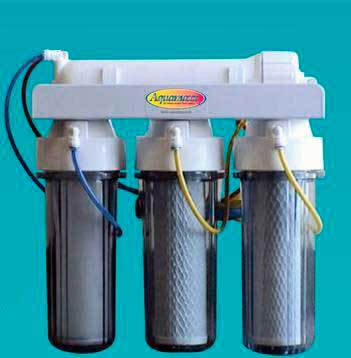
Filter Types
Modern aquarium technical equipment includes several filter types:

- Internal—compact, for aquariums up to 100-150 liters
- External canister—powerful, silent, for large volumes
- Hang-on-back (HOB)—convenient for smaller aquariums
- Undergravel—uses substrate as filtering material
- Sponge air-driven—simple and reliable for shrimp tanks and grow-outs
For advanced aquarists, specialized methods exist, but that’s a separate discussion.
Conclusion: Do You Need a Filter in Your Aquarium?
As we’ve seen, a filter isn’t always necessary. Everything depends on specific circumstances:
You Can Skip Filtration:
- Small aquarium with hardy fish
- Low stocking density
- Abundant live plants
- Regular maintenance and water changes
- Requirement for complete silence
Filter Is Necessary:
- High stocking density
- Demanding or large fish species
- Grow-out aquariums
- Absence of plants
- Irregular maintenance
For creating a quiet, peaceful corner for relaxation, you can establish a self-regulating mini-ecosystem without humming devices. As your experience grows—breeding fry, expanding species variety—additional equipment may become necessary.
In my experience, beginners should start with a simple filterless aquarium of 50-80 liters, stocked with hardy fish and live plants. This teaches understanding of aquarium processes. When experience comes, you’ll decide yourself whether a filter in your aquarium serves your specific goals and will properly utilize its capabilities.
Remember—a filter is a tool, not a cure-all. Even the most powerful filter won’t replace regular maintenance, proper feeding, and understanding biological processes in your aquarium.
Article updated: 2026-10-12