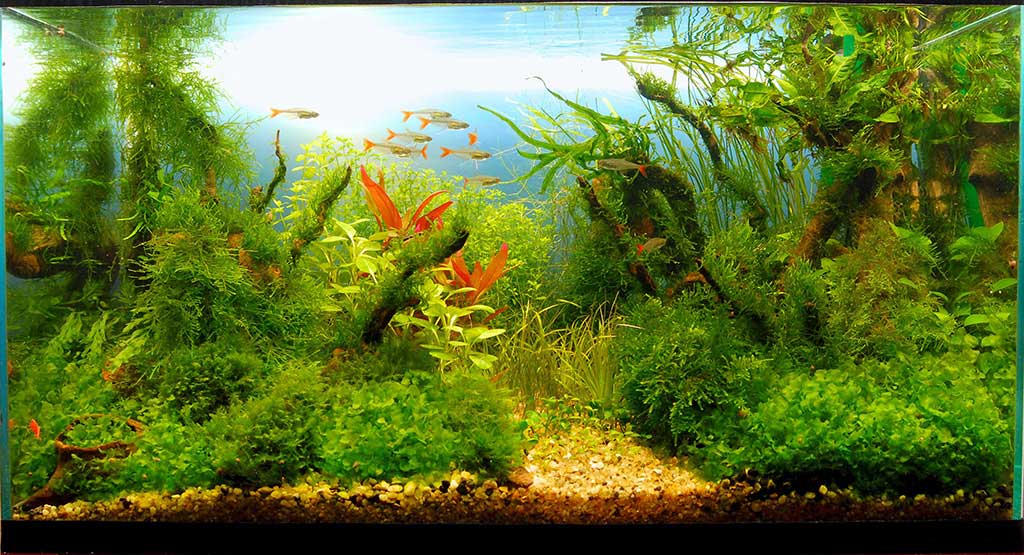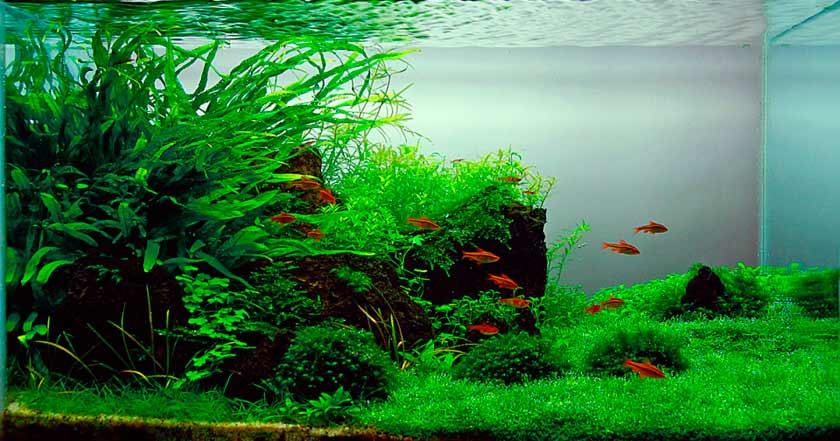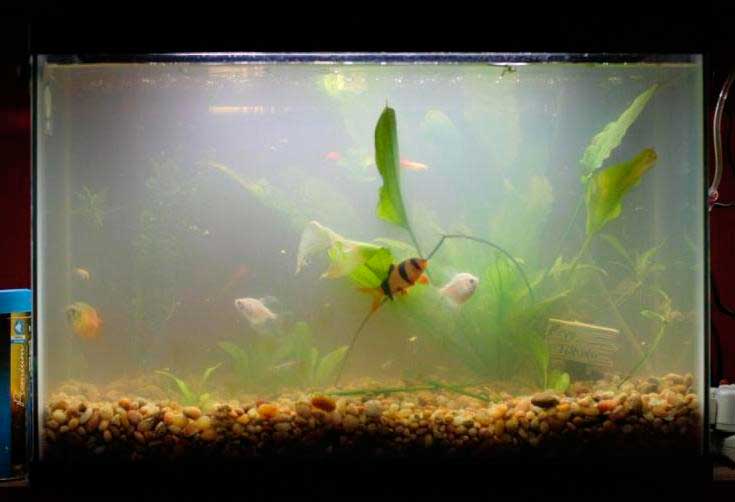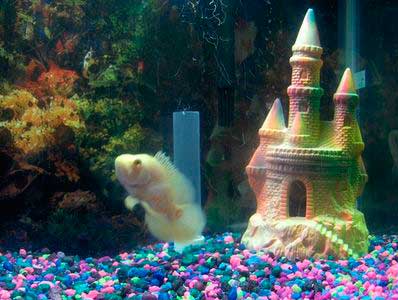
Aquarium soil is essential—a truth that resonates through the very heart of every thriving aquatic ecosystem. Like the earth beneath a flourishing garden, it forms the foundation upon which underwater dreams take root and bloom into living beauty.
The Critical Role of Substrate in Aquatic Systems
The substrate layer serves multiple biological and mechanical functions within the closed aquatic environment. Scientific research demonstrates that properly selected aquarium soil establishes the nitrogen cycle foundation, anchors vegetation, and provides colonization surfaces for beneficial bacteria populations exceeding 10^9 colony-forming units per cubic centimeter.
When setting up a freshwater aquarium, the substrate choice directly impacts water chemistry parameters including pH buffering capacity, general hardness (GH), and carbonate hardness (KH). Understanding these relationships enables aquarists to create optimal conditions for specific species requirements.
Types of Aquarium Substrates: Comparative Analysis
| Substrate Type | Grain Size (mm) | pH Impact | Best Applications |
|---|---|---|---|
| Gravel (natural) | 3-5 | Neutral | Community tanks, minimal maintenance |
| Sand (fine) | 0.5-2 | Neutral | Bottom-dwelling species, natural aesthetics |
| Nutrient-enriched soil | 2-4 | Slightly acidic (6.0-6.8) | Planted aquariums, demanding vegetation |
| Clay-based substrate | 2-3 | Variable | High-tech planted tanks |
| Artificial aquarium soil | 3-5 | Customizable | Specialized setups, controlled parameters |
Substrate Depth Requirements and Distribution
Proper substrate layering follows established protocols. For standard community aquariums, maintain a depth of 4-5 centimeters (1.5-2 inches) at the front glass, gradually sloping to 7-8 centimeters (2.75-3 inches) toward the rear wall. This gradient provides optimal root penetration depth while creating visual perspective enhancement.
Planted aquariums requiring nutrient-rich environments necessitate deeper substrates: 6-10 centimeters (2.5-4 inches) depending on plant species root structure. Species like discus and aquarium plants combinations benefit from this configuration, as deeper substrates buffer water chemistry fluctuations.
Biological Filtration Capacity
The substrate functions as a biological filter component, housing approximately 70-80% of beneficial nitrifying bacteria in established aquariums. These microorganisms—primarily Nitrosomonas and Nitrobacter species—convert toxic ammonia (NH3) through nitrite (NO2-) to less harmful nitrate (NO3-), processing approximately 0.5-1.0 mg/L ammonia per 24-hour cycle in mature systems.
Adequate oxygen supply remains critical for aerobic bacterial metabolism. Implementing proper aquarium compressor selection and installation secrets ensures dissolved oxygen levels maintain 5-7 mg/L, supporting optimal bacterial colonization throughout the substrate matrix.
Substrate Selection for Specific Species
Different aquatic organisms exhibit distinct substrate preferences based on evolutionary adaptations:
Bottom-dwelling species: Cockerel fish or fighting fish living in an aquarium and similar species require fine-grain substrates (0.5-1.5mm) preventing barbel damage and facilitating natural foraging behaviors.
Cichlids and large fish: Astronotus in the aquarium setups benefit from larger grain sizes (5-8mm) or bare-bottom configurations due to excavation behaviors and higher waste production rates.
Small schooling fish: Everything you need to know about danio fish for your aquarium indicates preference for darker substrates that enhance coloration through contrast mechanisms while reducing stress-related cortisol elevation.
Substrate Maintenance Protocols
Regular substrate maintenance prevents anaerobic zone formation and hydrogen sulfide (H2S) accumulation. Implement the following schedule:
Weekly maintenance: Vacuum 25-30% of substrate surface during routine water change in the aquarium following basic rules. Rotate sections systematically, completing full substrate cleaning cycles every 4-6 weeks.
Monthly assessment: Monitor substrate compaction levels. Particles smaller than 1mm compact 40-60% faster than larger grades, requiring gentle agitation to restore permeability and prevent dead zones.
Deep cleaning procedures: When learning how to clean the aquarium properly, understand that complete substrate removal should occur every 18-24 months in heavily stocked systems, or 36-48 months in planted, balanced aquariums.
Substrate Impact on Water Chemistry
Substrate composition directly influences measurable water parameters. Calcium carbonate-based substrates (crushed coral, aragonite) increase pH by 0.5-1.5 units and general hardness by 3-8 dGH through continuous dissolution. Conversely, nutrient-enriched soils reduce pH by 0.3-0.8 units through organic acid release and cation exchange processes.
These chemical interactions affect how to clean the walls of the aquarium without draining the water, as substrate buffering capacity influences algae growth rates and biofilm formation patterns on glass surfaces.
Economic Considerations and Budget Planning
Substrate costs vary significantly based on composition and source. Natural gravels range $0.50-$2.00 per kilogram, while specialized planted tank substrates command $3.00-$8.00 per kilogram. Calculate requirements using formula: Volume (liters) = Length × Width × Depth (cm) ÷ 1000, then multiply by substrate density (1.4-1.8 kg/L for most materials).
For aquarists considering how to choose an inexpensive aquarium, substrate represents 8-15% of initial setup costs. Budget allocation should prioritize quality over quantity, as proper substrate selection reduces long-term maintenance requirements and replacement frequency.
Advanced Applications: Specialized Substrates
Innovative applications extend beyond traditional aquascaping. Projects like orchid in an aquarium terrariums utilize expanded clay aggregates (LECA) or volcanic rock providing superior drainage characteristics (porosity 40-60%) while maintaining humidity levels of 70-85% required for epiphytic plant species.
Conclusion: Integrated Substrate Management
Scientific substrate selection and maintenance form cornerstone practices in advanced aquarium management. By understanding grain size distribution, biological filtration capacity, and chemical buffering properties, aquarists create stable environments supporting diverse aquatic life. Systematic monitoring of substrate condition, combined with species-appropriate selection criteria, ensures long-term ecosystem stability and reduces intervention frequency while maximizing biological performance parameters.