Aquarium water is your pets’ habitat and it has a number of crucial indicators. Think of it like the air you breathe – you wouldn’t want to live in a stuffy, polluted room, right? Well, your fish feel the same way about their water. Let me walk you through everything you need to know about this liquid lifeline.
The Poetry of Pure Water
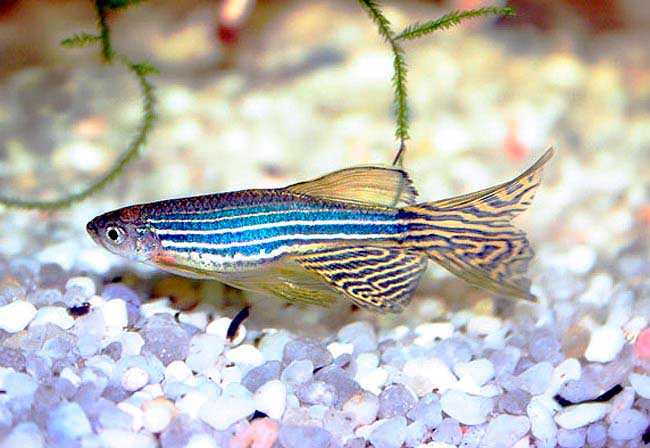
Imagine standing before your aquarium at dawn, watching sunlight pierce through crystal-clear water like golden arrows, illuminating each dancing scale of your beloved Everything you need to know about danio fish for your aquarium. This ethereal beauty is no accident – it’s the result of understanding the delicate chemistry that transforms ordinary tap water into a thriving aquatic paradise.
Water is not merely H₂O in an aquarium. It’s a living symphony, a complex ballet of minerals, gases, and microscopic life that either nurtures or destroys. Each drop carries the promise of vitality or the shadow of decline. As an aquarist, you become both composer and conductor of this liquid orchestra.
The Essential Parameters: Your Water’s Vital Signs
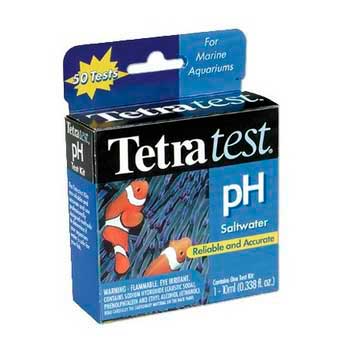
Like a physician checking a patient’s pulse, temperature, and blood pressure, we must monitor our aquarium’s vital signs with unwavering dedication. Water pH in aquarium stands as one of the most critical measurements – this invisible force shapes whether your fish thrive or merely survive. The pH scale tells the story of acidity and alkalinity, and even a slight drift beyond your species’ preferred range can trigger stress that cascades through their delicate systems.
Temperature weaves its own magic through the water column. Too cold, and your tropical beauties become lethargic shadows of their vibrant selves. Too warm, and oxygen dissolves away like morning mist, leaving your fish gasping at the surface in silent desperation. A reliable thermometer becomes your constant companion, a sentinel watching over the thermal comfort of your aquatic charges.
The Dance of Dissolved Substances
Ammonia, nitrite, and nitrate – this unholy trinity can transform paradise into purgatory. Fish waste, decaying plant matter, and uneaten food decompose into ammonia, a toxic ghost that haunts poorly maintained tanks. Through the miracle of beneficial bacteria, ammonia converts to nitrite, then to the less harmful nitrate. This nitrogen cycle is the heartbeat of your aquarium’s biological filter, and understanding it separates novices from true aquarists.
Regular testing becomes a meditation, a ritual where you commune with your aquarium’s invisible chemistry. Test strips or liquid reagents reveal truth in shades of color – yellows, greens, and blues that speak volumes about your water’s health. When ammonia or nitrite registers above zero, alarm bells should ring. Your Do you need a filter in your aquarium? becomes not a question but an urgent necessity.
The Gift of Regular Water Changes
Nothing rejuvenates an aquarium quite like fresh water, properly prepared and carefully introduced. How to change the water in the aquarium: a few basic rules transforms from chore to ceremony when you understand its profound impact. Each water change dilutes accumulated toxins, replenishes trace minerals, and breathes new life into your underwater realm.
The golden rule whispers: change 25-30% weekly for most community tanks. But listen closely to your aquarium’s unique voice. Heavy bioloads demand more frequent changes, while sparsely populated tanks might forgive a more relaxed schedule. Never shock your fish with dramatic parameter shifts – match temperature closely, and always treat tap water to neutralize chlorine and chloramine.
Clarity: The Window to Underwater Health
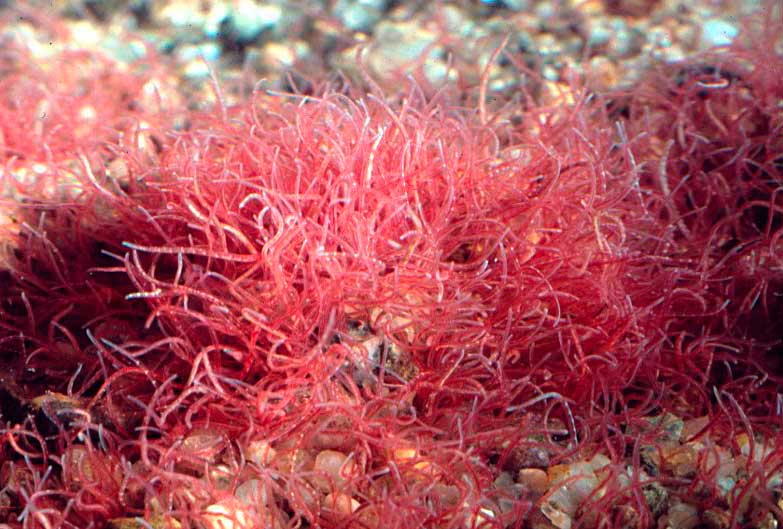
When Why is cloudy water in aquarium? becomes your question, know that cloudiness tells tales. Green clouds speak of algae blooms, fed by excess nutrients and light. White or gray haziness often signals bacterial blooms – sometimes beneficial, establishing your nitrogen cycle, but sometimes warning of overfeeding or inadequate filtration.
The path to crystal clarity winds through patience and proper husbandry. Quality Aquarium water filters provide mechanical, biological, and chemical filtration, each layer working in harmony to polish your water to gemlike perfection. Learn How to clean the walls of the aquarium without draining the water, and you’ll maintain those pristine viewing panels that frame your aquatic masterpiece.
The Living Filter: Plants as Water Purifiers
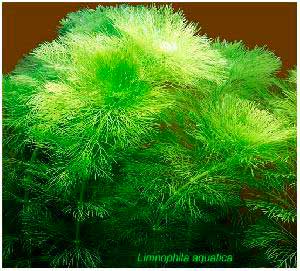
Nature offers her own filtration system, elegant and beautiful. Do you need plants for your aquarium or not? The answer sings through healthy tanks worldwide – yes, yes, a thousand times yes! Plants consume nitrates, produce oxygen, and provide sanctuary for timid fish. They transform harsh landscapes into Eden, softening water chemistry while creating depth and dimension.
Whether you choose the flowing elegance of Vallisneria, the carpeting beauty of dwarf hairgrass, or the floating serenity of Amazon frogbit, live plants become partners in your water quality journey. They forgive small mistakes, buffer against parameter swings, and reward you with growth that mirrors the health of your entire system.
The Foundation: Starting Right
When How to choose an inexpensive aquarium? becomes your starting point, remember that water volume matters profoundly. Larger water volumes remain more stable, forgiving minor errors that might prove catastrophic in tiny tanks. Your Aquarium in the interior — an interesting idea for your home should balance aesthetic appeal with biological sensibility.
Before introducing any fish, cycle your tank completely. This patience, this discipline of waiting while beneficial bacteria colonize your filter media and substrate, separates success from heartbreak. When finally What should you buy along with your aquarium fish? includes water test kits, conditioner, and quality food, you’re truly prepared for the journey ahead.
The Art of Observation
Become intimate with your aquarium’s daily rhythms. Notice how fish behave when water quality peaks versus when parameters drift. Watch for clamped fins, rapid breathing, or listless hovering – these silent screams demand immediate attention. Clean the aquarium properly on schedule, test regularly, and respond promptly to any concerns.
Your aquarium water tells stories in a language beyond words – in the shimmer of scales, the vigor of swimming, the richness of colors. Learn to read this liquid poetry, and you’ll discover that maintaining perfect water quality isn’t burden but blessing, not science alone but art infused with love.
In the end, pristine aquarium water represents more than chemistry – it’s your promise to the creatures entrusted to your care, your commitment to creating not just survival conditions but thriving environments where aquatic life flourishes in all its magnificent, mesmerizing glory.