Why Your Aquarium Needs an Air Pump
In natural bodies of water, oxygen levels remain adequate through photosynthesis by aquatic plants and the large surface area where water contacts atmospheric air. In a home aquarium, replicating these processes fully is challenging, which is why we use air pumps to force oxygen into the water.
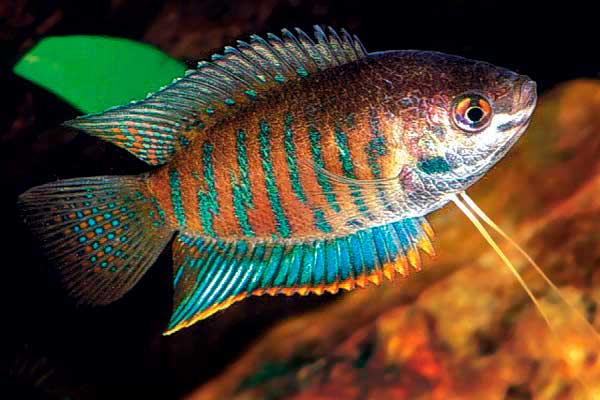
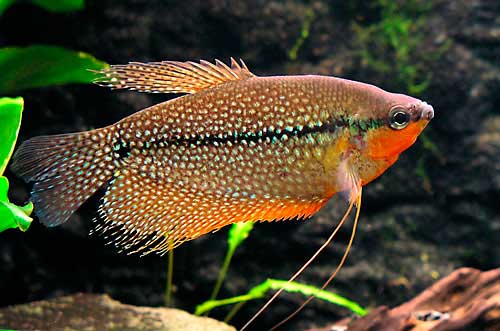
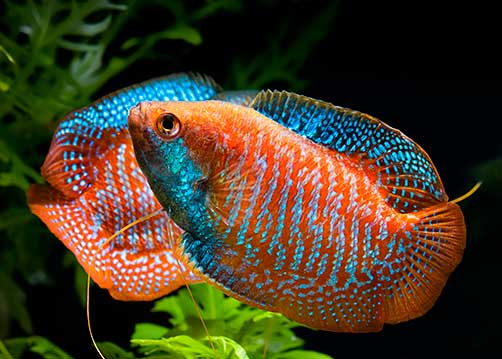
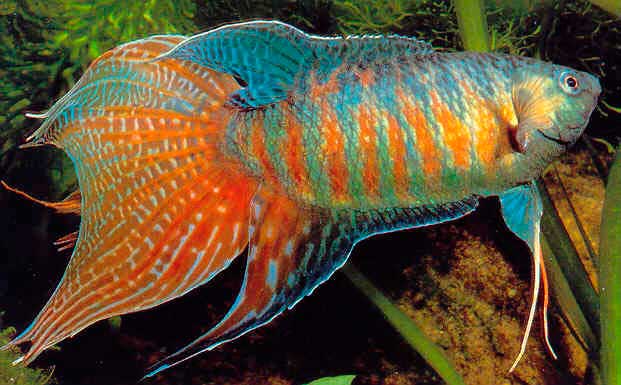
However, an air pump isn’t always necessary. Some fish species breathe atmospheric air rather than dissolved oxygen. If you plan to keep pearl gouramis, paradise fish, corydoras catfish, or other labyrinth fish, an air pump isn’t essential equipment. That said, a curtain of fine bubbles in the background does add decorative appeal to your underwater world.
Air pumps are also optional for lightly stocked tanks or plant-only aquariums without fish. Beyond oxygenation, air pumps serve another important function: they create water circulation, which helps distribute temperature evenly throughout the water column and prevents stagnant zones.
Key Criteria for Choosing an Air Pump
Calculating the Right Output
When choosing an aquarium air pump, focus first on its output capacity. The required value depends directly on water volume. In my experience, the optimal formula is to multiply your aquarium’s liters by 0.8. This output rate (0.8 liters per hour per liter of tank volume) provides sufficient aeration for most setups.
In some cases, you can reduce this to 0.5 liters per hour, while heavily stocked aquariums benefit from increasing it to 1 liter per hour. Everything depends on which inhabitants will populate your home aquarium—each fish species feels comfortable in conditions that closely match their natural environment.
Types of Air Pumps
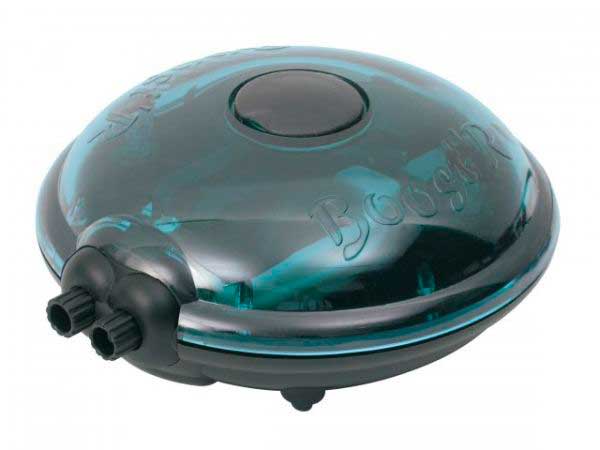
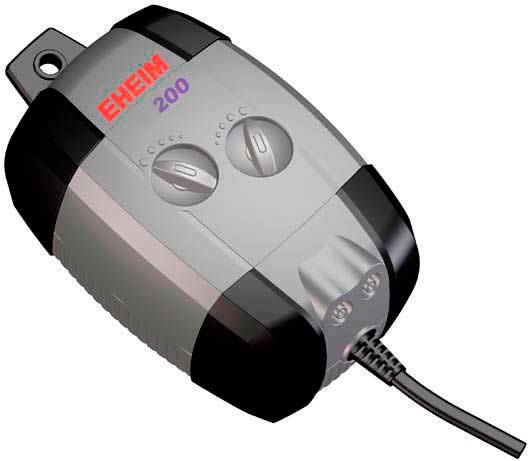
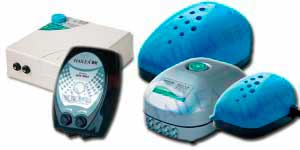
By operating principle, air pumps divide into diaphragm and piston types. Diaphragm (vibrating) pumps have lower power and affordable prices. For hobbyist aquariums up to 200 liters, a diaphragm pump’s output is perfectly adequate. I recommend not overpaying for excessive power if your aquarium doesn’t require it.
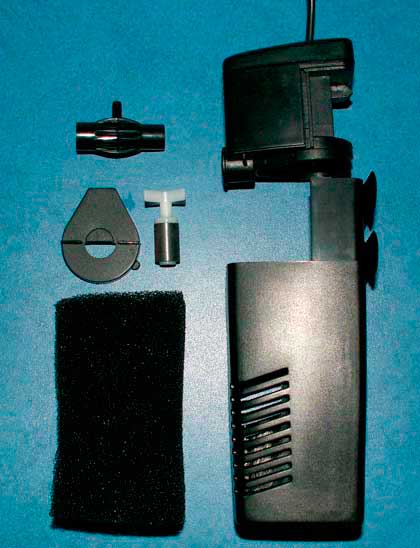
However, diaphragm models can produce noticeable operating noise. Piston pumps run quieter but cost more and are typically used for large aquariums over 200 liters. Centrifugal pump-motors also exist, capable of oxygenating water through special attachments—these often come included with complete equipment packages.

Noise Level Considerations
When selecting an air pump, pay close attention to noise level. Since the device runs 24/7, even a slight hum can become a source of discomfort, especially if the aquarium sits in your bedroom or living room. You can only truly assess noise level through direct experience—whenever possible, test the pump before purchasing.
Airflow Adjustment
Look for adjustable airflow control. This might be implemented through a valve on the air line, but models with smooth output regulation work best. This feature lets you precisely tune aeration to your specific inhabitants’ needs and avoid excessive current.
Additional Recommendations
When installing an air pump, proper diffuser placement matters—typically position them in the background or along the sides to avoid disrupting your aquascape. Air lines should be securely fastened and not create obstacles during aquarium maintenance, such as when siphoning the substrate.
For those setting up their first tank, consider how aeration fits into your overall equipment budget when you choose an inexpensive aquarium. Advanced aquarists exploring additional water treatment methods might also be interested in ozonation systems, though these serve different purposes than standard aeration.
Making Your Final Decision
To sum up, an aquarium air pump is optional but usually desirable technical equipment. Your choice depends primarily on your home aquarium’s volume, the number and species of inhabitants, and your noise tolerance requirements. A properly selected air pump will ensure comfortable conditions for fish and plants while adding decorative appeal to your underwater world.
Article updated: 2026-08-02