Guppy fish (Poecilia reticulata) are among the hardiest and most beginner-friendly aquarium inhabitants you’ll encounter. In my experience, these colorful livebearers represent the ideal starting point for anyone new to fishkeeping. Their resilience, ease of care, and spectacular coloration make them suitable even for children learning aquarium basics. These fish forgive most beginner mistakes while providing constant activity and vibrant displays.
Appearance and Size of Hardy Guppy Fish
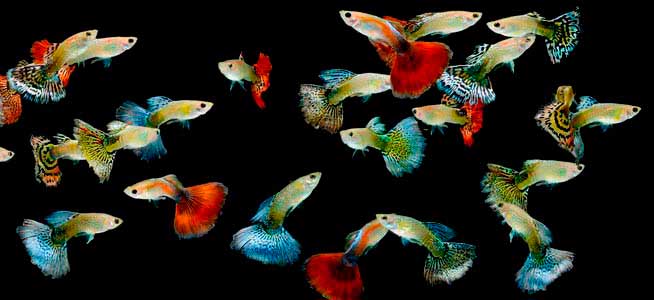
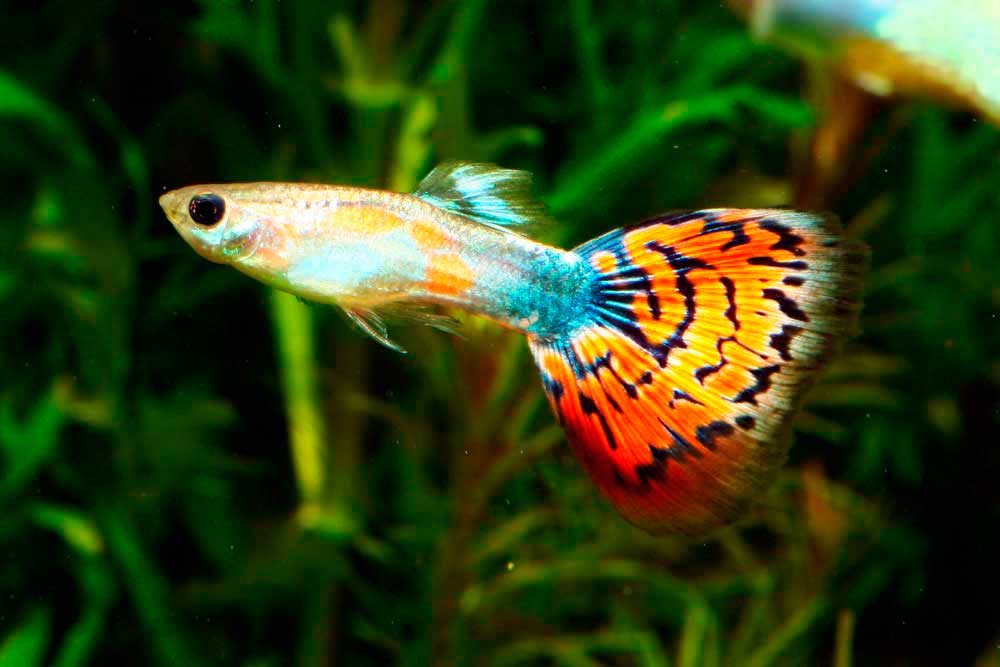
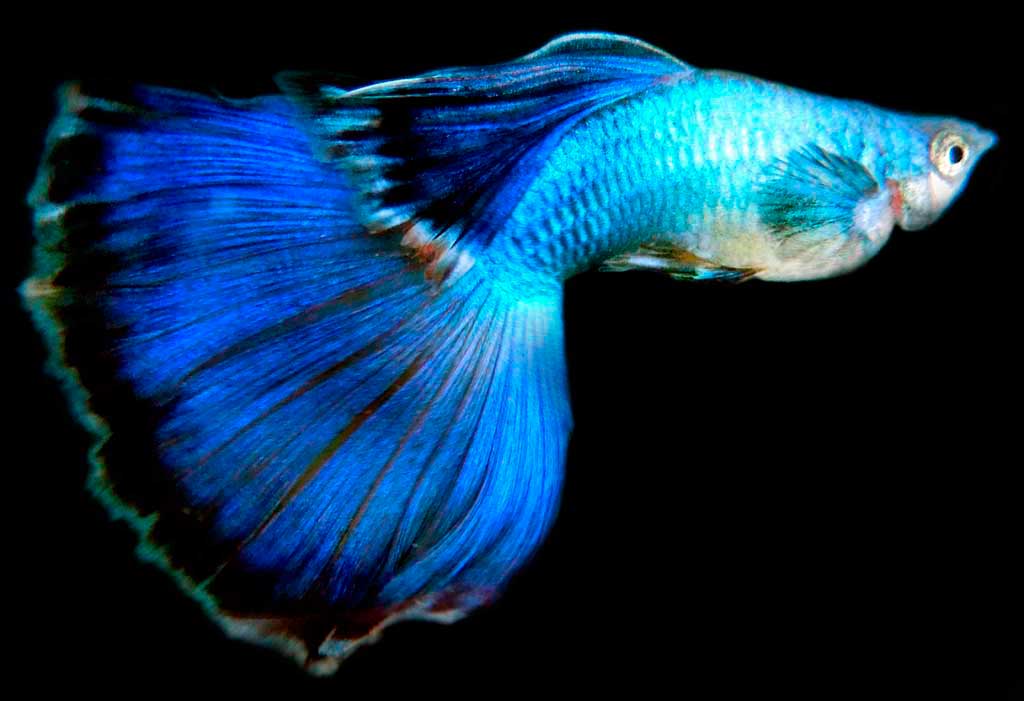
Guppies are small fish with significant sexual dimorphism. Females reach approximately 5 centimeters in length, while males stay smaller at around 3 centimeters. The males compensate for their modest size with extraordinary coloration—their bodies display intricate patterns of gold, silver, red, blue, and green spots and stripes that extend across their fins.
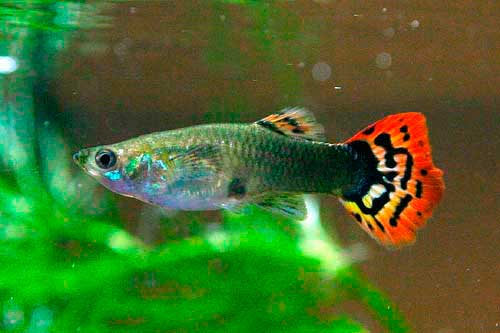
Females typically show gray, subdued coloring with a single dark spot near the tail, though selectively bred strains may exhibit colorful tail fins. Each guppy displays unique markings; you’ll never find two identical specimens. Dozens of selective breeds exist: peacock guppies, veiltail varieties, fantail forms, scarlet strains, tuxedo patterns, cobra designs, and many others.
Water Parameters for Guppy Fish
| Parameter | Value |
|---|---|
| Temperature | 24-26°C (tolerate 18-30°C) |
| Hardness (GH) | 10-25°dGH |
| pH | 7.0-8.5 |
| Minimum volume | 20-30 liters per group |
| Water changes | 20% weekly |
| Lighting | 10-12 hours daily |
Housing Requirements for Hardy Guppy Fish
Guppies are exceptionally resilient fish that adapt to nearly any aquarium environment, provided parameters remain stable without sudden fluctuations. However, I recommend maintaining optimal conditions to ensure longevity and vibrant health.
The ideal temperature range sits at 24-26°C. While guppies survive in broader temperature ranges, prolonged exposure to extreme conditions shortens their lifespan and reduces color intensity. Temperatures below 18°C cause lethargy and increase disease susceptibility, while temperatures above 30°C accelerate metabolism and shorten lifespan.
Live plants serve dual purposes in guppy tanks—they function as biological filters and provide crucial hiding spots for fry. Indian fern, hornwort, and elodea prove particularly valuable, acting as biofilters and water quality indicators while offering shelter for newborn fish. Proper plant selection and placement creates both visual appeal and functional benefits in the aquarium.
Weekly 20% water changes prevent accumulation of harmful metabolic waste. Always dechlorinate replacement water and match it to aquarium temperature before adding. Provide 10-12 hours of daily lighting. For fry, continuous illumination during their first week promotes accelerated growth.
Feeding Guppy Fish
Guppies are omnivorous and readily accept both dry foods (flakes, granules) and frozen options (bloodworms, cyclops, daphnia, mosquito larvae, tubifex, brine shrimp). In my experience, dietary variety ensures brilliant coloration and robust health.
Feed once or twice daily. Avoid overfeeding, as guppies are prone to obesity. I recommend implementing 1-2 fasting days weekly as preventive care. Older guppies benefit from small amounts of plant-based foods alongside their protein diet.
Choose foods containing carotenoids—natural pigments that safely enhance coloration. Quality nutrition also strengthens immunity and reduces disease susceptibility.
Breeding Hardy Guppy Fish
Obtaining guppy offspring couldn’t be simpler. These livebearers produce fully formed, free-swimming fry without requiring special breeding setups. Reproduction occurs readily in community tanks or dedicated breeding containers.
Gestation lasts 30-45 days and becomes obvious as the female’s abdomen swells noticeably and the gravid spot darkens. Young females produce 11-15 fry, while mature specimens at peak condition may deliver up to 80, though 20-40 is typical.
Newborns measure 6-8 millimeters and swim actively from birth. Adult guppies may consume their own fry, so dense planting provides essential cover for survival. If you plan to save maximum numbers, use a breeding trap or separate grow-out tank.
Guppies mature rapidly. Males develop full adult coloration within 2-3 months. Infusoria and brine shrimp nauplii represent the best initial foods for fry, offered 4-5 times daily. Gradually reduce feeding frequency to twice daily as they grow.
Compatibility with Other Fish
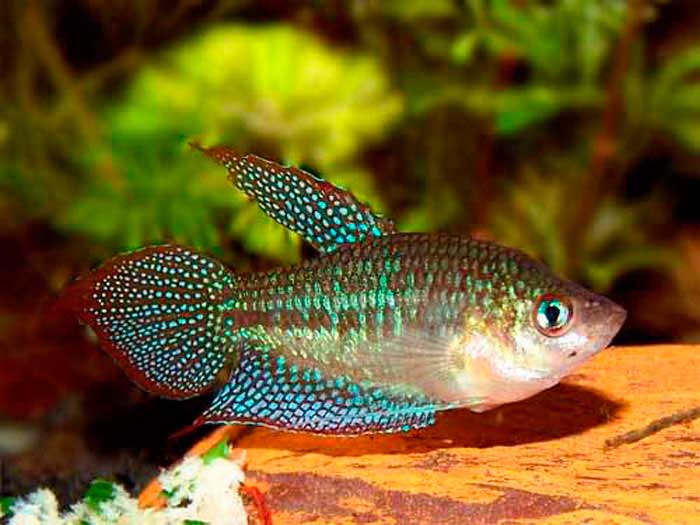
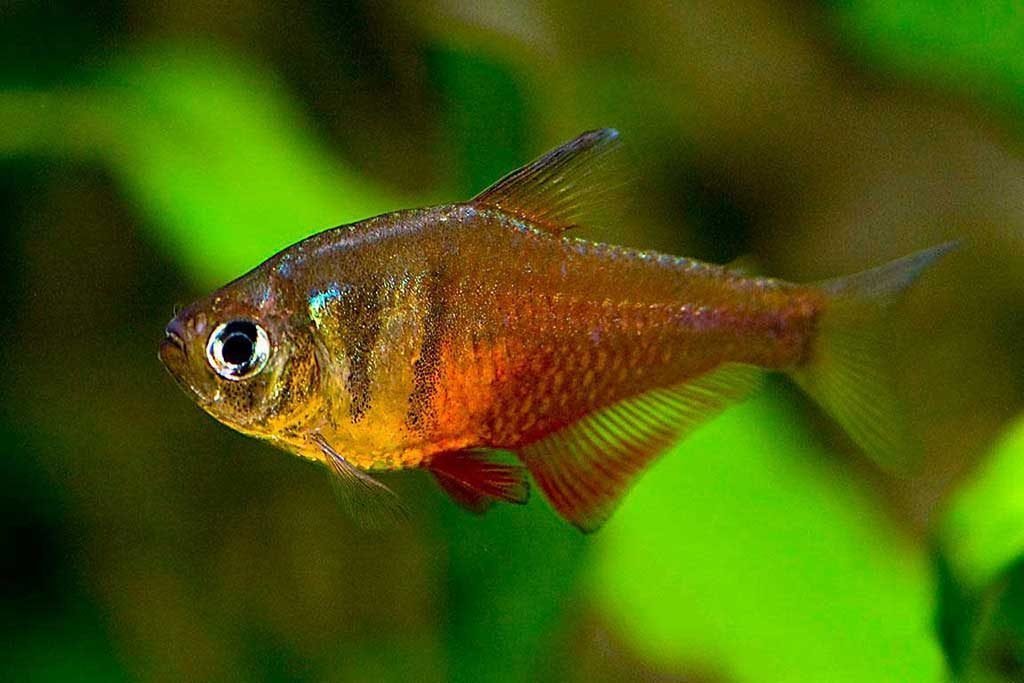
Hardy guppy fish coexist peacefully with similarly sized, non-aggressive species. I recommend housing them with other livebearers—platies, mollies, swordtails. Small tetras (including neons), danios, and corydoras catfish also make excellent tankmates. Peaceful labyrinth fish like honey gourami can also share their environment successfully.
Avoid pairing guppies with large or aggressive species. Large cichlids like Oscars or substantial African species may view guppies as food rather than tankmates. Active barbs may nip at males’ flowing fins, causing stress and damaging their appearance.
For beginners, species-only guppy tanks or communities with other peaceful small fish provide the most rewarding experience. This approach prevents conflicts and creates harmonious aquarium communities. If you prefer keeping a single striking fish, consider a betta in a separate small setup.
Tank Maintenance for Guppy Fish
Regular aquarium maintenance includes water changes, glass cleaning, and filter sponge rinsing. Maintenance frequency depends on tank size and stocking density. Understanding proper filtration systems helps maintain optimal water quality throughout the year.
While guppies tolerate small containers, I don’t recommend volumes below 20-30 liters for groups of 5-6 fish. Larger aquariums maintain more stable biological balance and simplify parameter management.
Selectively bred fancy strains prove more sensitive to water conditions than wild-type fish, requiring stricter parameter monitoring. Use test kits to monitor ammonia, nitrites, and nitrates, especially during the first weeks after tank establishment.
With proper care, guppies live 3-5 years, providing years of colorful activity and breeding opportunities. These hardy fish remain an excellent choice for both beginners and experienced aquarists who value vibrancy, liveliness, and ease of care.
Article updated: 2026-08-04