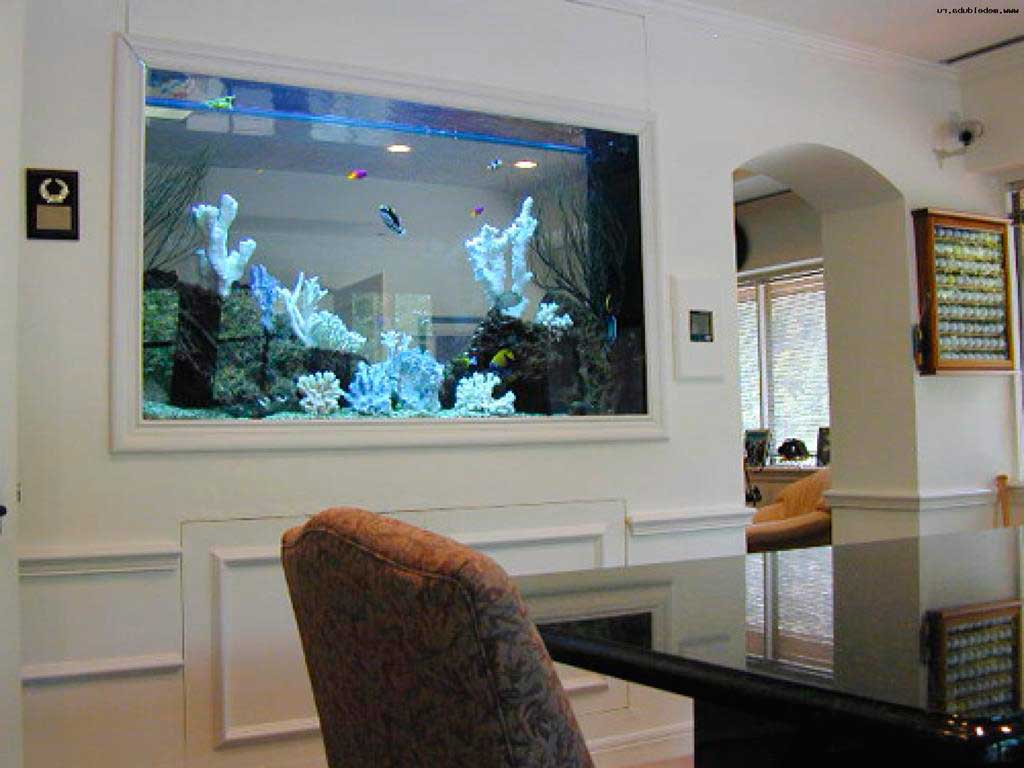
Understanding the different types of aquariums is essential before choosing one for your home or office. An aquarium combines fascinating fish and beautiful aquatic plants, creating a stunning interior decoration that positively affects the nervous system and delights children with interesting pets.
However, you shouldn’t fill an aquarium with too many different species of fish. They may not get along or even attack each other—not from excessive aggression, but because different species require different living conditions. Before setting up an aquarium, study the available forms and types, and research which fish will thrive in your chosen setup.
Main Types of Aquariums by Purpose
Decorative Aquariums
Decorative aquariums serve as interior decoration and aesthetic enjoyment. They can be designed without top covers, which promotes faster plant growth due to reduced lighting, though this may negatively affect fish—you’ll need to choose your priorities.
Decorative aquariums include several subtypes:
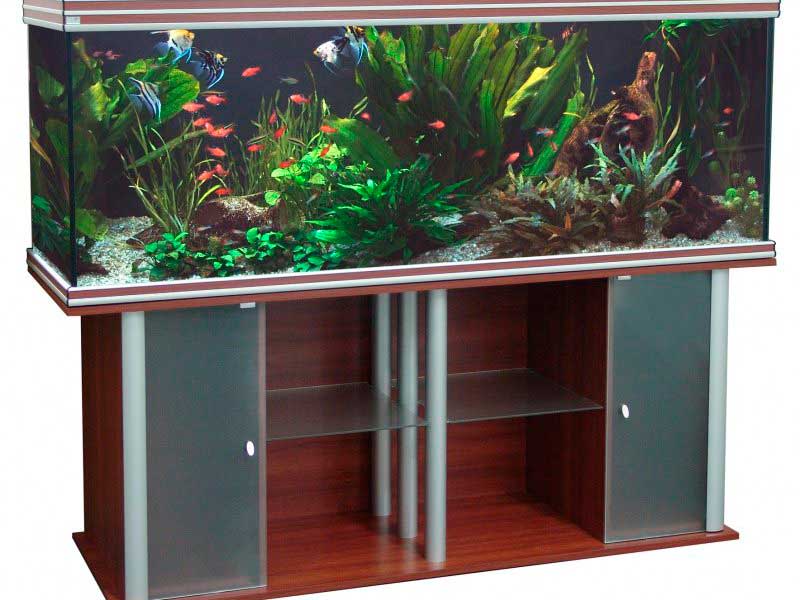
Community aquariums allow you to enjoy diverse fish and flora. In my experience, you can select species that occupy different water levels without interfering with each other. These tanks offer wide choices for decorations and ornamental details. Community aquariums typically house peaceful, friendly fish to avoid conflicts between species.
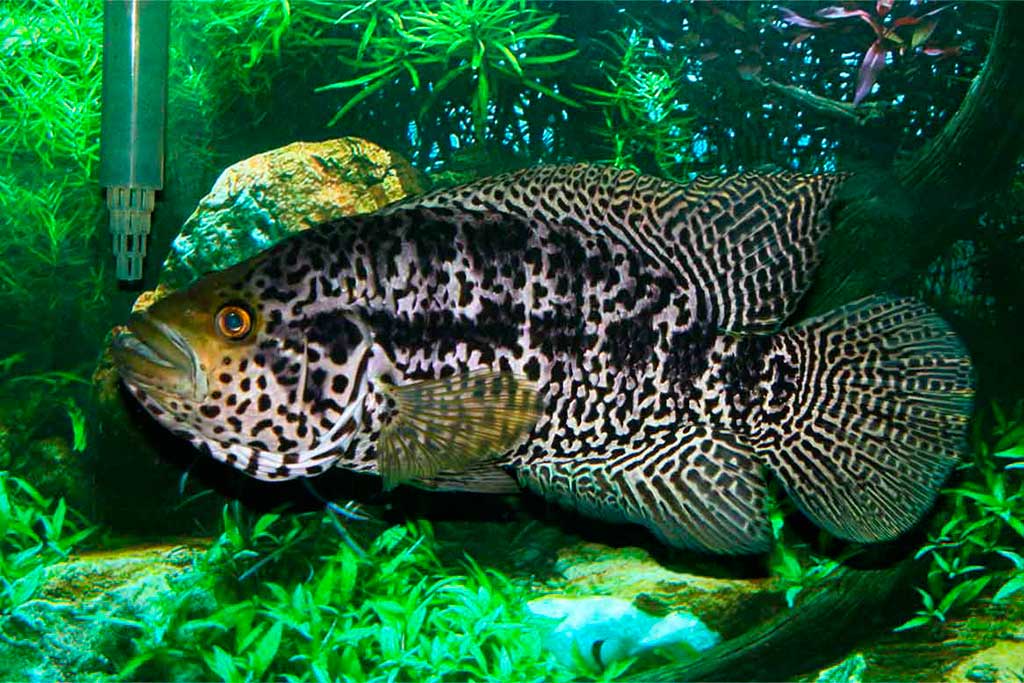
Species aquariums contain fish of one species or several closely related species. This approach creates optimal conditions for specific inhabitants and allows observation of their natural behavior.
Geographical aquariums are populated with fish originating from one region. This helps recreate natural biotopes and ensures species compatibility.
Dutch aquariums are underwater gardens abundant with plants, colorful fish, and natural stones. The primary focus is vegetation, creating picturesque compositions with various shades and textures.
Biotope aquariums differ in their internal setup. They replicate the natural environment familiar to chosen fish species—for example, rocky lake bottoms or sandy riverbanks. I recommend this approach for demanding species.
Specialized Aquarium Types
Quarantine aquariums are usually small-sized, used for holding newly purchased fish to prevent infections from entering the main tank, and for treating sick fish. Substrate and plants aren’t used in these tanks, but filtration is mandatory.
Breeding aquariums are used for spawning fish and collecting eggs. They’re made from glass without metal or plastic elements that might release substances harmful to spawning fish. Internal decoration depends on species preferences.
Incubators help develop eggs into larvae and fry. Typically small glass tanks with parameters suitable for the specific species being bred.
Grow-out aquariums are necessary for raising fry transferred from incubators at approximately 2-3 weeks old. Aeration and filtration become essential here. Initially, water parameters match the incubator, then gradually adjust to optimal conditions for the species.
Modern Aquarium Types
Nano aquariums are compact tanks ranging from 5 to 30 liters, ideal for small spaces. They’re easy to maintain, and the tank itself with its lighting beautifully decorates rooms. In my experience, nano aquariums work excellently for beginning aquarists.
Nano-reefs are ultra-small marine reef aquariums (typically 50-150 liters). This specialized type houses marine invertebrates and corals, requiring special equipment and careful parameter monitoring.
Paludariums combine underwater and above-water vegetation. Tropical and marsh plants thrive harmoniously thanks to high humidity. Suitable for amphibians: frogs, salamanders, and some turtle species.
Aquarium Types by Shape
Aquariums vary by shape: rectangular, round, triangular, or with panoramic glass. Triangular designs offer the highest viewing area, while rectangular ones provide universal placement flexibility. Corner models fit into corners, efficiently using limited space.
Essential Aquarium Equipment
Proper automatic equipment minimizes manual work and ensures your aquarium functions optimally. It helps owners simplify pet care while fish comfortably thrive.
Lighting
Select appropriate lighting according to your fish’s preferences. Direct sunlight clouds water and covers glass with greenish algae that may harm fish. Use either simple lamps mounted above the tank or specialized built-in aquarium systems.
Water Filtration
Aquarium filters regularly clean water from pollution, food residue, and small nitrate particles. Filters come in external and internal types, chosen based on tank size.
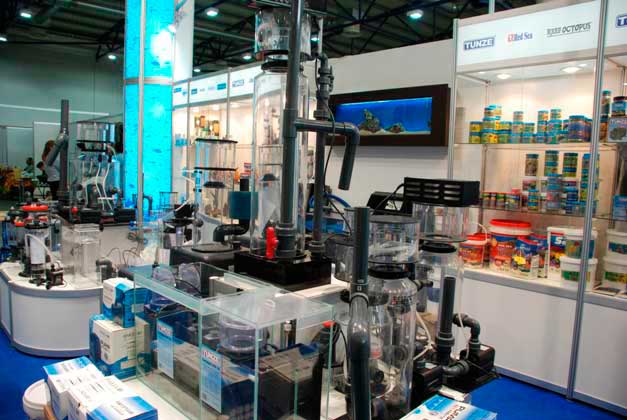
For aquariums under 200 liters, internal filters work well. Larger tanks of 300-500 liters benefit from external filtration systems. Modern external filters provide multi-stage purification, guaranteeing crystal-clear water. Marine aquariums additionally require skimmers (protein separators) to remove protein compounds. You can learn more about filtration systems in our article about aquarium filters.
Aeration
Compressors are essential for fish well-being, saturating water with necessary oxygen. Without them, aquariums quickly become stagnant, and fish die from excess CO2. Choose compressors calculated for your tank volume (better to select one rated 10-20 liters higher for reserve capacity).
Like filters, compressors come in external and internal versions. External ones look neater, while internal ones operate quieter without disturbing household members.
Heating

Aquarium heaters with temperature regulation are indispensable. The most beautiful fish come from tropical regions with warmer climates and no sharp temperature fluctuations.
Temperature controllers save electricity and extend heater lifespan. They monitor water heating to the required temperature, then automatically switch off the heater, reactivating when water cools. Fish stay comfortable while owners avoid constantly checking temperatures and flipping switches.
Select heaters according to aquarium volume. Larger tanks require more powerful equipment. A glass thermometer measuring water temperature completes the setup.

Additional Equipment
Marine aquariums need specialized pumps ensuring continuous water circulation. Modern electronic control systems constantly monitor water parameters: pH controllers, temperature sensors, and auto-top-off systems.

For aquarium maintenance, you’ll need a substrate siphon to clean the bottom from organic debris. Timers for automatic lighting control, water sterilizers, and automatic feeders are also useful additions.
Conclusion
Understanding these fundamentals before purchasing an aquarium helps you choose the optimal combination of appearance and fish comfort. In my experience, selecting the right aquarium type and quality equipment ensures successful aquatic life maintenance. Your inhabitants’ lifespan and the tranquility they radiate directly depend on the care and effort you invest in these magnificent creatures. Consider exploring ideas for aquarium placement in your interior to make the most of your new setup.
Article updated: 2026-08-01