What Are Bloodworms?
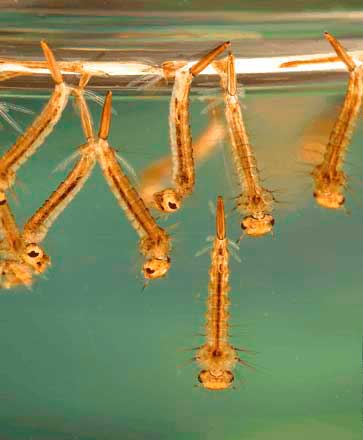
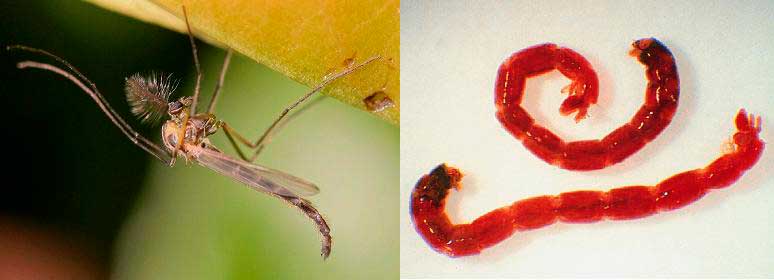
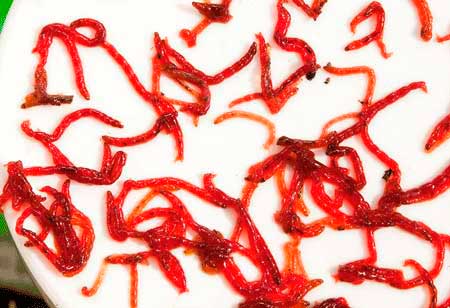
Bloodworms are one of the most popular and nutritious live foods for aquarium fish. These bright red larvae belong to the non-biting midge Chironomus plumosus, an insect completely harmless to humans. The larvae measure 10-25 millimeters in length and derive their distinctive red color from high hemoglobin content in their blood.
In my experience, bloodworms offer exceptional nutritional value with a soft texture that appeals to most fish species. The high protein content and rich nutrient profile make them particularly valuable for conditioning fish before breeding and maintaining vibrant coloration.
Nutritional Profile
| Parameter | Value |
|---|---|
| Protein content | Over 50% |
| Carbohydrates | Up to 30% |
| Fat content | Up to 10% |
| Larva size | 10-25 mm |
| Color | Bright red |
| Storage temperature (live) | 39-50°F (4-10°C) |
| Frozen shelf life | Up to 3 months |
Bloodworms stimulate growth and development, strengthen immune function, and enhance fish coloration. I’ve found them especially valuable during breeding preparation, providing the energy reserves fish need for successful spawning.
Natural Habitat and Life Cycle
Bloodworm larvae inhabit the muddy bottoms of ponds, slow-moving streams, and lake shallows where they feed on organic debris in the substrate. Adult midges emerge from tiny eggs, and the larvae molt several times before developing their characteristic red pigmentation after the first molt.
The muddier and more organic-rich the water body, the higher the bloodworm population density. Adult non-biting midges have underdeveloped mouthparts and cannot feed, making them completely harmless despite their mosquito-like appearance.
Selecting Quality Bloodworms
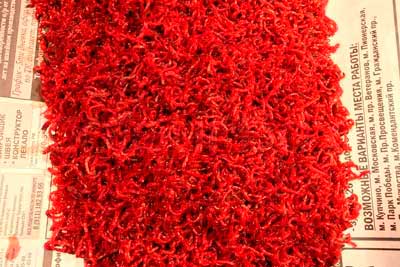
When purchasing bloodworms, careful inspection is essential. Look for larvae with a deep red color rather than bright scarlet—overly vivid coloring indicates rapid deterioration ahead. Quality bloodworms should be firm and wriggle actively when touched.
Never feed dead bloodworms to your fish, as they can cause serious poisoning. I strongly recommend avoiding freshly collected wild bloodworms, which may introduce pathogens from natural water bodies. If you must use wild-caught specimens, quarantine them for 3-4 days with frequent water changes to allow their digestive tracts to clear.
Storage Methods
Live Storage
Store live bloodworms in the refrigerator at 39-50°F (4-10°C)—lower temperatures extend freshness, but never allow them to freeze. Several proven methods work well:
Damp cloth method: Spread bloodworms in a layer no thicker than 0.4 inches on moistened fabric. Keep the cloth damp and rinse the larvae periodically.
Sand and water method: Place 0.8 inches of washed sand in a shallow container and add just enough water to cover it by 0.2 inches. Live larvae burrow into the sand while dead ones remain on the surface for easy removal.
Separator tray: Use a specialized bloodworm keeper or similar container with mesh. Fill with water touching the upper mesh, place bloodworms on top—live larvae migrate through while dead ones stay behind. Repeat daily.
Freezing Bloodworms
Freezing provides the simplest long-term storage solution and kills potential pathogens, making this method safer than live storage. Spread bloodworms in a thin layer on plastic wrap—they won’t stick. Once frozen solid, break the sheet into portions, store in containers, and keep frozen for up to 3 months without significant nutrient loss.
Thaw frozen bloodworms in a net under cool running water immediately before feeding aquarium fish.
Feeding Guidelines
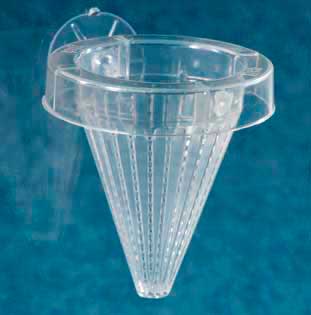
I recommend using a floating feeder with holes when offering bloodworms. This prevents larvae from burrowing into the substrate where they may die and foul the water. The feeder allows bloodworms to gradually escape into the water column where fish can consume them.
Feed 1-5 bloodworms per small fish, or 10-12 for larger species, once daily. Bloodworms are extremely nutritious, and overfeeding can lead to obesity in fish. For tiny fish, cut large larvae into pieces with a thin blade on glass or plastic, allow the blood to drain, then add the pieces to your feeder.
Complementary Live Foods
While bloodworms excel as a staple live food, dietary variety benefits fish health. Earthworms provide another excellent protein source for larger species. Enchytraea (white worms) offer similar nutritional benefits with different texture and size options. When learning how to feed aquarium fish properly, rotating between different live foods creates a more balanced diet that mimics natural feeding patterns.
Availability and Safety
Bloodworms are widely available at pet stores and fishing supply shops, as anglers frequently use them for ice fishing. If adult midges emerge from stored bloodworms, don’t worry—they cannot bite and pose no health risks.
In my experience, bloodworms remain one of the best live food options for maintaining fish health, vibrant colors, and active behavior in your aquarium.
Article updated: 2026-08-05