Planning Stage: Think Before You Buy
Choosing an aquarium involves several critical decisions that will affect your success for years to come. In my experience, getting these fundamentals right at the start saves both money and frustration down the road.
Before you visit any store, spend time planning your setup. Consider where the tank will sit and what size fits that space. Since modern aquariums come with built-in lighting or separate fixtures, you don’t need to position them near windows. In fact, direct sunlight is problematic—it fuels algae growth and creates maintenance headaches.
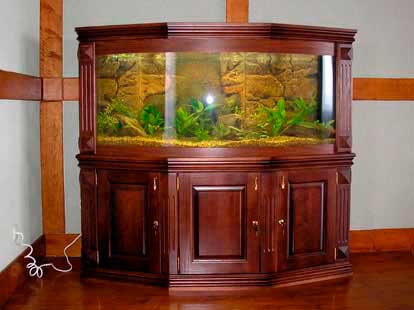
Structural support matters more than most beginners realize. Water weighs approximately 1 kg per liter, and you must add the weight of the tank itself, substrate, and equipment. A 100-liter setup can easily reach 130–150 kg when fully assembled. If you’re working with older wooden floors or a furniture stand, verify it can handle the load before committing to a purchase.
Optimal Volume for Success
When choosing an aquarium, bigger is genuinely better—within reason. If you have space for 50 liters, don’t settle for 20. Larger volumes establish biological equilibrium more easily and forgive minor mistakes in feeding or stocking.
Small tanks punish every error. Slight overfeeding or overstocking triggers cloudy water, stressed fish, and a cascade of problems. I recommend beginners start with 50–100 liters. This range offers stability without becoming unmanageable during maintenance.
Very large tanks—say, 300 liters—present their own challenges for newcomers. Water changes and cleaning require significant physical effort, and the structural load becomes a serious concern. Always assess floor strength before investing in a large-volume system.
Materials and Construction Quality
Once you’ve settled on volume and general shape, you’re ready to shop. Modern pet stores stock frameless tanks almost exclusively—these use silicone sealant to bond glass panels directly, replacing older framed designs.
Inspect seams carefully. Silicone should form an even layer without gaps, air bubbles, or peeling edges. Thickness must remain consistent along the entire joint. Glass panels should be free of bubbles, scratches, or distortions that warp your view.
If you have any doubts about integrity, ask staff to test-fill the tank. This takes time and may incur a small fee, but it’s worthwhile insurance against discovering leaks after you’ve set everything up at home.
Acrylic tanks offer an alternative worth considering. They’re lighter and safer than glass, though they scratch more easily and require gentler handling during cleaning.
Round Tanks: Beautiful but Problematic
Round aquariums catch the eye, but they create practical difficulties. Check glass quality just as carefully—uniform thickness, no bubbles or irregularities. Tap the walls with a pencil: a clear ring indicates intact glass, while rattling or dull sounds suggest cracks or chips.
Here’s the reality: curved tanks distort your view, complicate maintenance, and stress fish. The constantly shifting perspective and lack of defined corners leave inhabitants feeling exposed. I don’t recommend round designs for anyone new to the hobby.
Equipment and Warranty Considerations
Clarify what’s included before you buy. Basic packages typically contain a lid and light fixture, but filters, heaters, and air pumps usually cost extra. Understanding aquarium technical equipment requirements helps you budget accurately and avoid surprises.
Demand a warranty. Coverage duration varies by manufacturer and tank style. Round tanks often come without any guarantee—another reason to avoid them. A solid warranty protects your investment and signals the seller stands behind their product quality.
Safety and Long-Term Planning
Once your tank is installed, aquarium safety becomes an ongoing priority. Electrical components near water require proper grounding and careful placement. Temperature control through an aquarium heater keeps conditions stable, especially for tropical species.
Choosing an aquarium thoughtfully sets the foundation for everything that follows. After setup, you’ll move on to selecting inhabitants—a topic requiring equal care and research. But with a properly chosen tank, you’re already halfway to creating a thriving aquatic environment that brings years of enjoyment.
Article updated: 2026-08-30