Choosing Aquarium Fish: Where to Start
With thousands of species available, choosing aquarium fish for home keeping can feel overwhelming. We all want the most beautiful fish, but that’s not always practical without considering important factors. In my experience, making the right choice from the start is the foundation of a successful aquarium and fewer headaches down the road.
Freshwater or Marine Fish?
First, decide what type of aquarium you want: freshwater or marine. This determines which inhabitants you can keep.
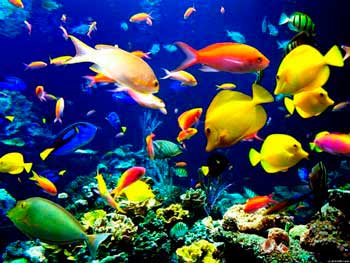
Marine aquariums are significantly more complex and expensive than freshwater setups. They require constant salinity monitoring, specialized lighting for corals, and powerful filtration systems. The equipment and maintenance costs are substantially higher.
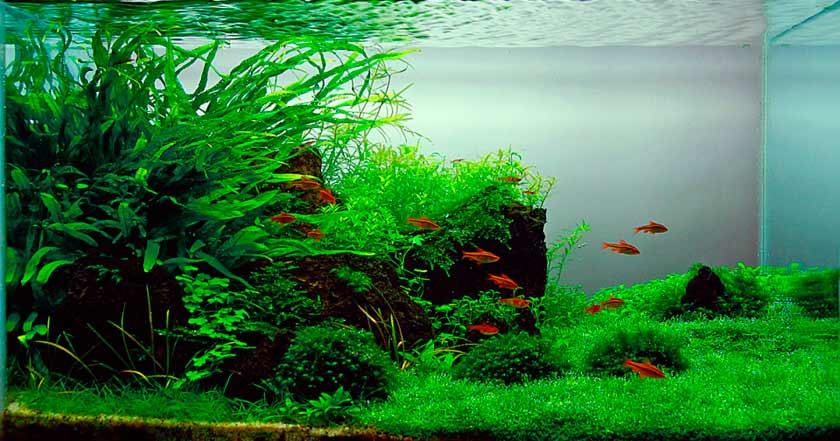
Meanwhile, the diversity of freshwater flora and fauna allows you to create an equally colorful and captivating underwater world. I recommend beginners start with freshwater — it forgives mistakes more readily and provides valuable learning opportunities.
Tank Size and Budget
Before choosing aquarium fish, assess your budget and consider the tank size. Here’s a crucial principle: larger aquariums are easier to maintain with stable water parameters. Small tanks (under 50 liters or 13 gallons) demand meticulous care and suit only specific species.
When budgeting, factor in not just the tank itself but also essential equipment: filter, heater, lighting, and air pump. These costs add up quickly.
Compatibility and Care Requirements
The most challenging aspect of choosing aquarium fish is understanding their specific needs. Some require specialized foods, particular water parameters (hardness, pH, temperature). Certain species simply won’t coexist peacefully — you must research this beforehand.
For example, active danios get along well with peaceful community fish, while aggressive cichlids like the chocolate blue lamprologist require careful neighbor selection. Pearl gourami coexist nicely with non-aggressive similarly-sized fish but may nip at long-finned varieties.
Information Sources
If you’re buying from a reputable specialty store, staff can guide your selection. But if purchasing from markets or private sellers, you’ll need to research independently.
Today’s primary knowledge sources are specialized websites and aquarium forums. Traditional aquarium books remain valuable too. I strongly recommend learning everything possible about your desired fish before purchasing. Your research might lead you to different, equally beautiful but more suitable species.
Feeding Habits and Dietary Needs
Consider whether you can meet specific dietary requirements when choosing aquarium fish. Think practically about feeding.
Predatory fish (piranhas, large cichlids) need specialized foods. Raw meat and fish pollute water with decomposition products, requiring frequent water changes and robust filtration. In my experience, such fish suit only experienced aquarists.
Herbivorous species need plant-based foods: spirulina, blanched vegetables, specialized tablets. Most popular aquarium fish are omnivores, which simplifies care considerably. Standard flake food and occasional live or frozen foods keep them healthy.
Fish and Plant Compatibility
Don’t forget about aquatic plants when choosing aquarium fish. Planted tanks aren’t compatible with substrate-digging species. Many cichlids actively excavate the bottom, uprooting plants and creating cloudiness.
Some fish eat certain plants. Goldfish, many large cichlids, and herbivorous barbs can completely destroy delicate vegetation. Know which species might damage your plants, or you’ll end up with stripped stems ruining your aquascape.
Recommendations for Beginners
For your first aquarium, I recommend hardy, forgiving species:
- Livebearers (guppies, swordtails, platies) — resilient, breed readily in community tanks
- Danios — active, peaceful schooling fish that add movement
- Corydoras catfish — bottom-dwelling cleaners that help maintain tank cleanliness
- Gouramis — beautiful labyrinth fish that don’t require supplemental aeration
- Tetras — small, colorful schooling fish perfect for planted tanks
Avoid demanding species initially — those requiring stable parameters, difficult to breed, or aggressive toward tankmates. Start simple, gain experience, and success will follow. Once you’ve mastered the basics, you can graduate to more challenging species like discus, which demand precise water conditions and careful acclimation.
Choosing aquarium fish thoughtfully from the beginning saves money, time, and lives. Research thoroughly, start with hardy species, and enjoy watching your underwater world thrive.
Article updated: 2026-08-10