Description and Origin
Platy fish belong to the family Poeciliidae, a group of livebearing toothcarps. Their natural habitat spans Central America, particularly the Atlantic basin waters of eastern Mexico and Guatemala. In the wild, these fish thrive in warm, organically rich waters with gravel substrates and abundant vegetation—conditions that have shaped their adaptable nature.
Platies arrived in Europe alongside swordtails in the early 20th century and immediately captured the attention of breeders. Today, they’re among the most popular aquarium fish, prized for their hardiness, vibrant colors, remarkable breeding capacity, and undemanding care requirements.
Physical Characteristics and Varieties
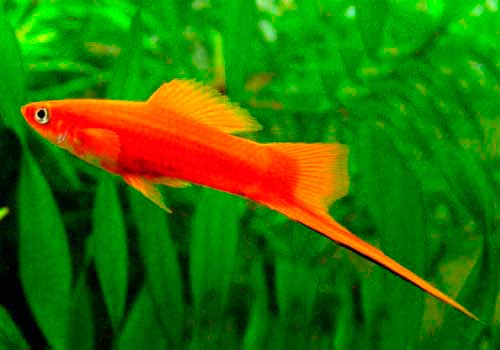
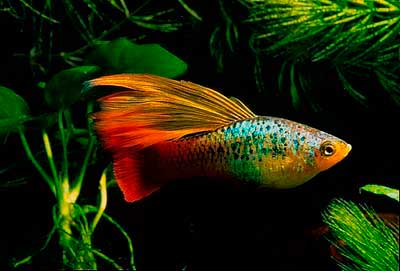
Wild platy fish are smaller than their close relatives, the swordtails. Females reach 5-6 cm in length, while males grow to just 2-3 cm. The natural coloration features yellowish-brown tones with a pair of dark spots near the tail base. Through selective breeding, however, aquarium strains now display over 130 color variations—a testament to decades of careful development.
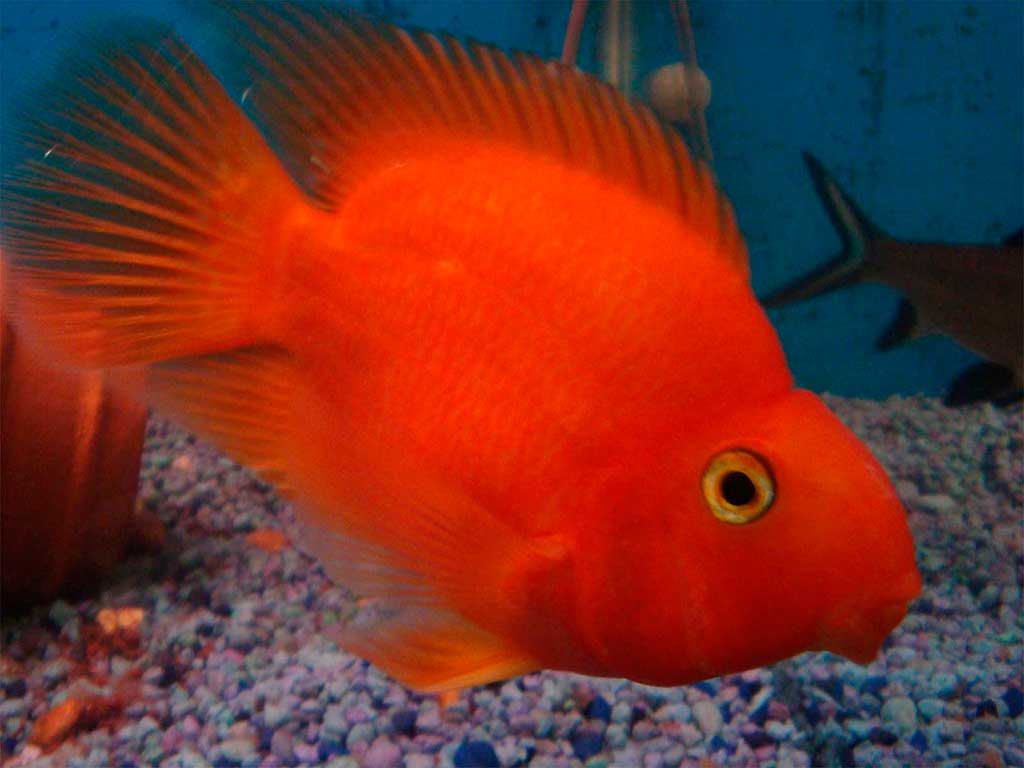
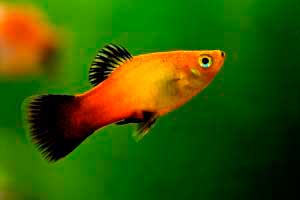
In my experience, aquarium-bred platies far surpass their wild counterparts in visual appeal. Popular varieties include Hawaiian platies, solid blacks, golds, black-speckled patterns, black fish with red fins, and marbled specimens. The balloon platy represents a distinctive selective form with a rounded body and curved spine, creating an almost spherical appearance with a protruding belly. Veiltail varieties with elongated fins add another dimension to the available options.
Tank Setup and Water Parameters
Keeping platy fish is straightforward. I recommend a 50-liter aquarium with a 30 cm water level for a small group—following the golden rule that larger volumes create more stable, resilient aquatic environments.
| Parameter | Value |
|---|---|
| Temperature | 22-25°C |
| Hardness | Medium to hard |
| pH | 7.0-8.0 |
| Minimum volume | 50 liters |
| Water changes | 25% weekly |
Platies prefer medium to hard water at 22-25°C, though they tolerate temperatures as low as 18°C. Weekly water changes of one-third the tank volume are essential. Fresh water should be 1-2 degrees warmer than the tank water and allowed to stand for 24 hours before use.
Aquarium Decoration
Arrange plants like Cryptocoryne blassa, hornwort, elodea, and riccia along the back wall while maintaining open swimming space at the front. A dark, moderately fine substrate (3-6 mm) laid 4-6 cm deep supports healthy plant growth and enhances fish coloration.
Platies are active, energetic swimmers that occasionally jump while chasing each other. A secure lid or cover glass prevents escapes. Aeration isn’t strictly necessary, though I’ve observed faster growth and development in aerated tanks. Interestingly, fish in non-aerated setups often display more intense colors.
Compatibility with Other Species
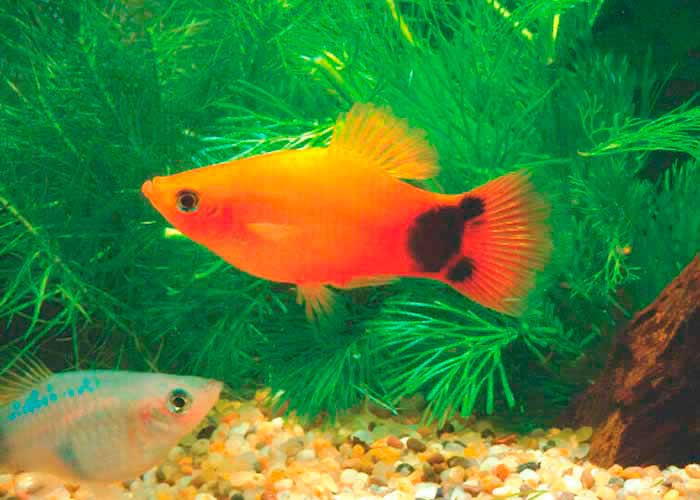
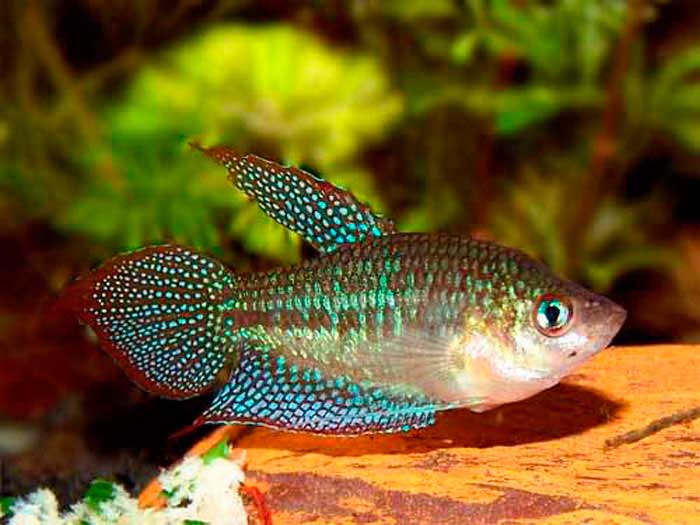
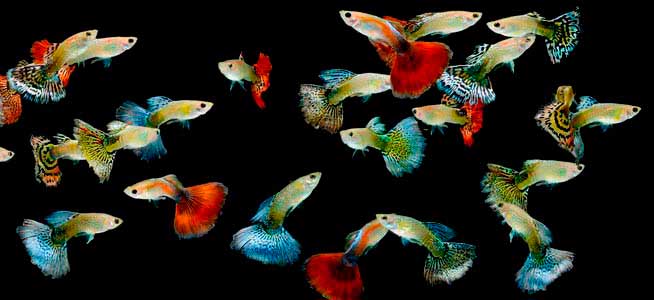
Platy fish exhibit peaceful temperaments and coexist well with a wide range of tankmates: all livebearers, angelfish, small peaceful cichlids like ram cichlid, tetras, gouramis, danios like zebra danio, and various catfish species. They also pair nicely with neons, cardinals, and other non-aggressive community fish.
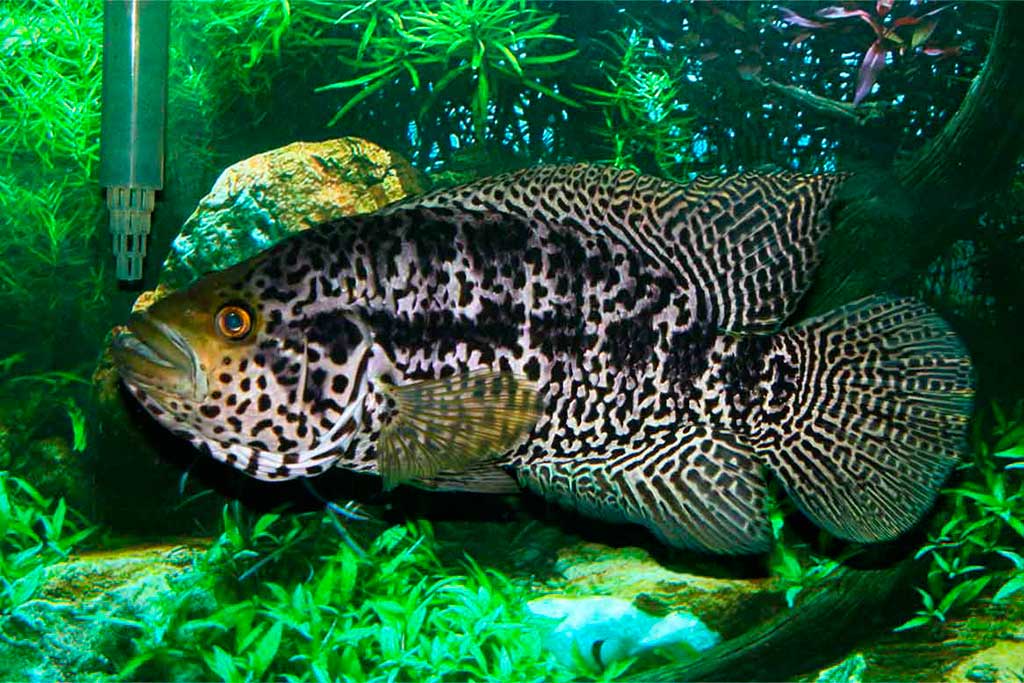
Avoid housing them with large, aggressive cichlids that may view platies as prey. Under proper conditions, platies can live up to four years.
Feeding Requirements
Platies aren’t fussy eaters and accept dry, live, and plant-based foods readily. They enjoy daphnia, bloodworms, and tubifex, while males particularly benefit from cyclops. I recommend high-quality commercial dry foods that provide balanced nutrition with vitamins, natural color enhancers, and prebiotics.
Feed only what fish can consume in five minutes. Remove uneaten food promptly to prevent it from decomposing and degrading water quality. Weekly substrate siphoning helps prevent disease by removing accumulated waste.
Breeding and Reproduction
Platies are livebearers—more accurately, ovoviviparous fish. Unlike egg-layers, male platies transfer genetic material directly into the female’s body, where fertilization and early egg development occur internally. Fully formed, free-swimming fry emerge ready to feed independently.
Platies reach sexual maturity at 5-6 months. Breeding occurs readily in community tanks when dense plant thickets provide fry hiding spots and abundant live food is available—crucial factors for protecting newborns from parental cannibalism.
Gestation lasts approximately one month, with females producing up to 50 fry per birth, though large females may deliver 70-80. When breeding in a separate tank, remove the female immediately after birth to prevent her from eating the offspring.
Rear fry in a shallow (under 20 cm) dedicated tank with strong aeration and weekly 25% water changes. Feed frequently with cyclops, microworms, and rotifers. These optimal conditions produce rapid growth and healthy, vibrantly colored juveniles.
Disease Prevention and Treatment
Platy fish demonstrate robust health compared to many aquarium species. However, they can succumb to illness from cold stress, improper feeding, or infections introduced through live food.
Prevention is simple: maintain recommended water parameters, provide balanced commercial foods rather than wild-caught live foods, and perform regular water changes. When disease symptoms appear—coating, lethargy, appetite loss—isolate affected individuals and treat with appropriate medications.
In my experience, regular substrate vacuuming and water quality monitoring prevent most health issues. Platies are particularly vulnerable to cold stress when water temperature drops below 17°C for 24 hours or more.
Conclusion
Platy fish are arguably the most stress-tolerant aquarium species available. Their minimal requirements make them ideal for beginners—less demanding than virtually any other aquarium fish. Yet experienced aquarists frequently keep them as well, and deservedly so. These undemanding, beautiful fish offer reliable color and activity for any freshwater community tank.
Article updated: 2026-08-13