Origin and Description
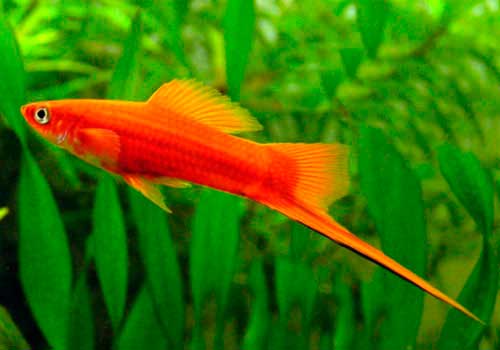
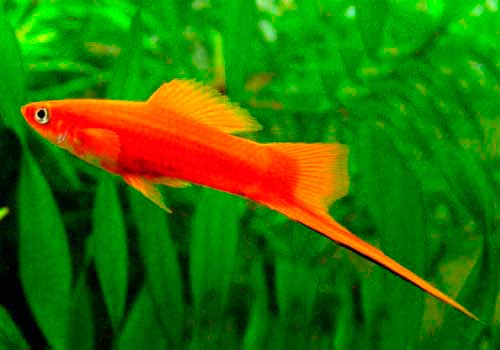
The swordtail fish (Xiphophorus hellerii) is a freshwater species from the Poeciliidae family. Native to Honduras, Mexico, and Guatemala, these vibrant fish inhabit rivers, lakes, and even marshy areas in the wild.
The name Xiphophorus hellerii translates from Greek as “sword bearer,” while “hellerii” honors Karl Bartholomaeus Heller, the German naturalist who brought these fish from Mexican lakes to Europe.
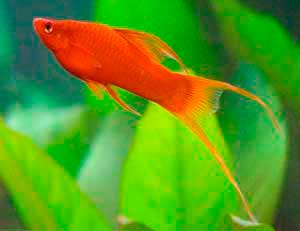
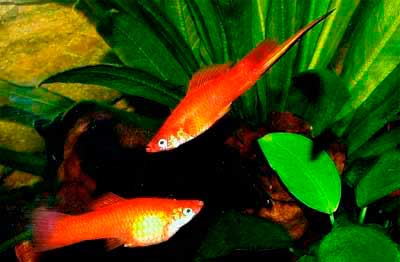
Males are easily identified by their elongated, sword-like extension on the lower part of the caudal fin, which can reach several centimeters in length. Females are larger but less streamlined and lack the characteristic “sword.” Adult swordtails typically reach 10-12 cm, with females usually being the larger sex.
Wild swordtails display greenish coloration, but aquarium varieties—developed through crossbreeding with common platies—come in yellow, red, spotted, silver, and even black. The most popular varieties include red swordtails with black tails, golden swordtails, Berlin swordtails, and koi swordtails.
In my experience, swordtail fish are ideal for beginners—they forgive many care mistakes and bring constant energy to the aquarium.
Swordtail Fish Parameters
| Parameter | Value |
|---|---|
| Scientific name | Xiphophorus hellerii |
| Family | Poeciliidae |
| Size | 10-12 cm |
| Lifespan | 3-5 years |
| Temperature | 20-26°C |
| pH | 7.0-8.0 |
| Hardness (dH) | 5-20° |
| Tank volume | 50+ liters |
| Diet | Omnivorous |
| Temperament | Peaceful, active |
Tank Setup and Water Conditions
Swordtails should be kept in groups with a ratio of 1 male to 2-3 females, requiring a minimum tank size of 50 liters for a harem group. I recommend not skimping on volume—in a spacious aquarium, fish feel more comfortable and intraspecific aggression decreases.
Choose an elongated tank shape to provide adequate swimming space. Always use a lid—swordtails are excellent jumpers and may leap out of an open aquarium, especially when startled.
Water Parameters
Optimal water parameters include temperature 20-25°C, dH 5-20°, and pH 7.0-7.5. In my experience, swordtails tolerate minor parameter fluctuations well, though stability is always preferable.
Strong aeration and filtration are essential. Weekly water changes of one-third the tank volume are necessary. Some aquarists add marine or table salt at 1 tablespoon per 10 liters—this strengthens immunity and prevents fungal infections.
Aquarium Decoration
Fine-leaved plants like elodea, cabomba, and vallisneria work well. Plant them in groups while leaving the center open for swimming. Surface plants like riccia can be added to provide additional cover.
Natural driftwood makes suitable decoration—it enhances the tank aesthetically and serves as substrate for simple algae growth, a favorite food of swordtails. Dark substrate beautifully highlights the fish’s bright coloration.
Feeding Swordtail Fish
Swordtail fish are omnivorous and undemanding eaters. In nature, they consume plants, small crustaceans, insects, and worms.
In the aquarium, the diet should be varied and include:
- Dry foods: quality flakes and granules for livebearers
- Live and frozen foods: bloodworms, brine shrimp, daphnia, tubifex, cyclops
- Plant matter: blanched spinach, lettuce leaves, spirulina-based foods
In their natural environment, swordtails eat plants and algae, making fiber content an important component of complete nutrition. I recommend using specialized foods with plant components as the dietary foundation, supplementing with live foods 2-3 times weekly.
Feed 1-2 times daily in small portions that fish consume within 2-3 minutes. Overfeeding is dangerous—it leads to obesity and water pollution.
Compatibility with Other Fish
Swordtails are popular livebearers that generally coexist excellently with other ornamental species. They pair well with aquarium parrotfish, tetras, neons, danios, mollies, platies, and peaceful catfish.
Male swordtails show some intolerance and aggression toward each other. Cases of males fighting and inflicting injuries on one another have been documented. Therefore, maintaining the correct sex ratio is crucial—2-3 females per male.
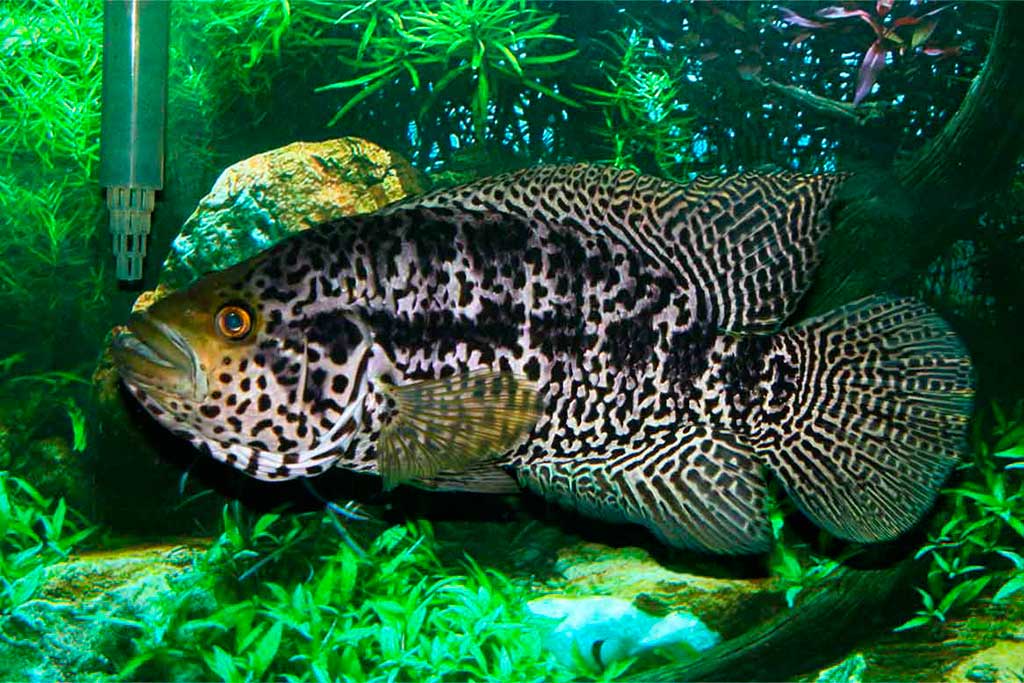
They show particular interest in the large fins of small fish. Consequently, they should be kept away from fancy guppies, as swordtails will quickly strip them of this beauty. I also don’t recommend housing them with slow-moving fish, goldfish, or large aggressive cichlids like Cichlasoma meeka.
Breeding Swordtail Fish

Swordtail fish are livebearers—females give birth to fully formed fry ready for independent life. Sexual maturity occurs at 5-8 months of age.
Fertilization is internal. If fertilization occurs, part of the male’s sperm remains in the female’s abdominal cavity, fertilizing her again without male participation. This means a single female can produce offspring multiple times from one mating.
Breeding Preparation
Abundant feeding with quality foods stimulates breeding, along with maintaining comfortable water parameters: temperature 26-28°C, pH 7.0-8.0, and GH 10-12. Interesting fact: water temperature affects the sex ratio of newborn fry. At temperatures below 24°C, you’ll get more females, while approaching 30°C produces more males.
Pregnancy lasts approximately 4-6 weeks. Signs of an impending birth include a greatly enlarged abdomen and a dark spot near the anal fin.
Birth and Fry Care
2-3 days before birth, I recommend moving the pregnant female to a separate breeding tank of at least 25 liters with abundant fine-leaved plants. Plants are necessary as hiding spots for fry, as the female may eat them immediately after birth. Return the female to the main tank immediately after delivery.
A single spawning produces 50-200 fry. Young females produce fewer offspring; mature ones produce more.
Fry are born fully formed and immediately begin swimming and feeding. During the first days, feed them infusoria, rotifers, microworms, and brine shrimp nauplii. As they grow, transition to chopped tubifex and specialized fry foods. Feed frequently—4-5 times daily in small portions.
Fry grow unevenly, so sort them periodically by size to prevent cannibalism. With good feeding and regular water changes, fry grow quickly and begin acquiring adult coloration by 3-4 months.
Diseases and Prevention
Swordtails have robust health but can fall ill with improper care. The most common problems include:
Ichthyophthiriasis (Ich)
The cause is typically improper conditions, especially sudden fluctuations or low temperature. Swordtails scratch against stones, substrate, and protruding objects. White spots resembling grains appear on the body. Treatment involves raising temperature to 28-30°C and using specialized ich medications.
Fungal Infections
When white fuzzy growth appears on the fish’s body, use salt baths. My method: dissolve 10 g of table salt per liter of water, place the sick fish there for 10-15 minutes, then transfer to clean water at 22-24°C with added methylene blue.
Chill
If a swordtail lies on the bottom or freezes motionless, this may indicate not only infection from food but also hypothermia. The chill will pass in a few days if you consistently ensure water doesn’t cool below the normal level for this species.
Disease Prevention
The best treatment is prevention: quarantine new fish and plants—keep new acquisitions in a separate tank for one to two weeks; quality food from reliable certified suppliers; proper conditions—maintain optimal temperature, water composition, filtration, and aeration for the species, plus timely water changes.
In my experience, most swordtail health problems stem from poor water quality and tank overcrowding. Regular water changes, quality filtration, and balanced feeding are the foundation of your pets’ health.
Conclusion
Swordtail fish are an excellent choice for both beginners and experienced aquarists. These bright, active, and undemanding creatures can enhance any aquarium and provide tremendous enjoyment. With proper care, swordtails live 3-5 years and regularly reward owners with offspring. I’m convinced every aquarist should try keeping these wonderful fish at least once—they’re truly worth it!
Article updated: 2026-08-18