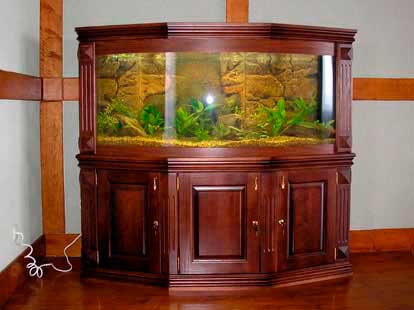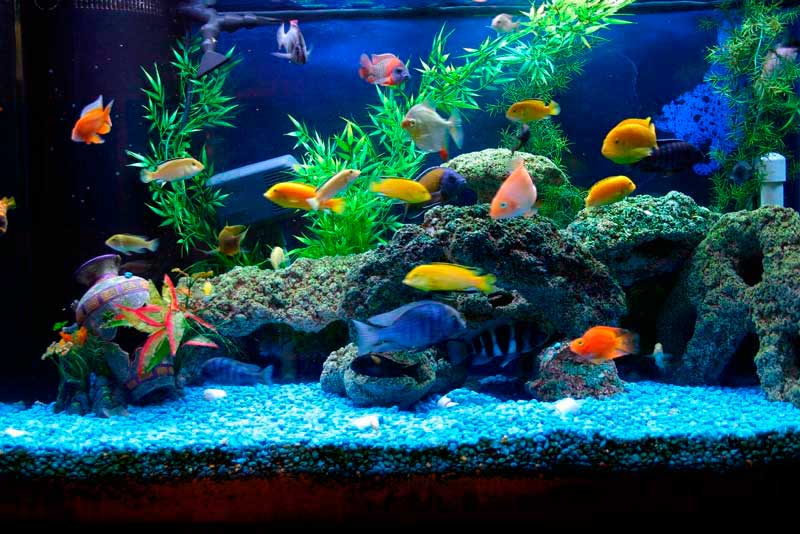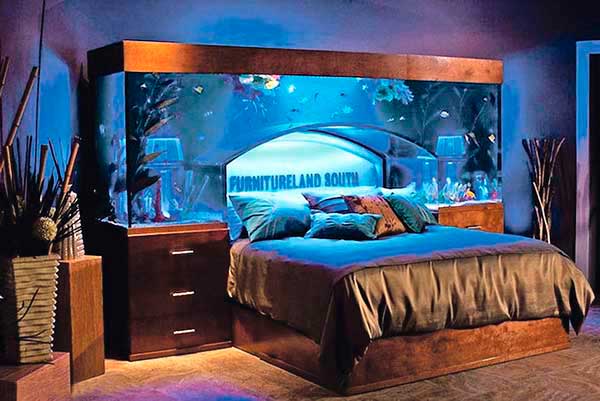
Which aquarium to choose? For a beginner, this is far from a trivial question. It is desirable to understand it from the beginning. As has been said many times, and on this site including, aquariums today are characterized by great variety, and the choice of aquarium is determined primarily by your taste. But, nevertheless, it is advisable to take into account some recommendations.
Volume considerations: the foundation of successful aquarium keeping
The first and most critical parameter when selecting an aquarium is its volume. Contrary to popular belief among novice aquarists, smaller aquariums present significantly greater challenges in maintaining stable water parameters. A larger water volume provides greater buffering capacity against fluctuations in temperature, pH, and nitrogen compound concentrations.
For beginners, the optimal starting volume ranges from 80 to 120 liters (approximately 20-30 gallons). This volume provides sufficient stability while remaining manageable in terms of maintenance requirements and initial investment. Aquariums below 40 liters are classified as nano-aquariums and require advanced knowledge of aquarium chemistry and frequent monitoring. If you’re concerned about budget, consider reading our guide on how to choose an inexpensive aquarium.
| Volume (liters) | Difficulty Level | Water Stability | Suitable for Beginners |
|---|---|---|---|
| 20-40 | Advanced | Low | No |
| 50-80 | Intermediate | Moderate | Conditional |
| 80-120 | Beginner-friendly | High | Yes |
| 150+ | Beginner-friendly | Very High | Yes |
Geometric configuration and structural integrity
The geometric shape of the aquarium directly influences both aesthetic appeal and biological functionality. Standard rectangular aquariums with dimensions following the 2:1:1 ratio (length:height:width) provide optimal gas exchange at the water surface, which is critical for maintaining dissolved oxygen levels at 6-8 mg/l.
Panoramic aquariums with curved front glass offer enhanced visual appeal but may present challenges during maintenance procedures, particularly during substrate siphoning and algae removal. When performing routine maintenance, you may find our article on how to clean the walls of the aquarium without draining the water particularly useful.
Avoid spherical or bowl-shaped aquariums despite their decorative appeal. These configurations severely restrict surface area-to-volume ratios, limiting gas exchange efficiency and creating optical distortions that induce stress in fish specimens.
Material composition: glass versus acrylic
Modern aquariums are manufactured from two primary materials, each with distinct characteristics:
Silicate glass aquariums: These represent the traditional choice, offering superior scratch resistance and optical clarity retention over time. Standard glass thickness varies according to volume: 5mm for aquariums up to 50 liters, 6-8mm for 100-200 liters, and 10-12mm for volumes exceeding 300 liters. The refractive index of glass (1.52) provides minimal optical distortion.
Acrylic (polymethyl methacrylate) aquariums: These offer reduced weight (approximately 50% lighter than glass) and superior impact resistance. However, acrylic surfaces are prone to scratching and may yellow over extended periods under intense lighting. The thermal expansion coefficient is higher than glass, requiring careful consideration in temperature-variable environments.
Technical infrastructure requirements
When selecting an aquarium, consider the integrated technical systems required for maintaining optimal conditions:
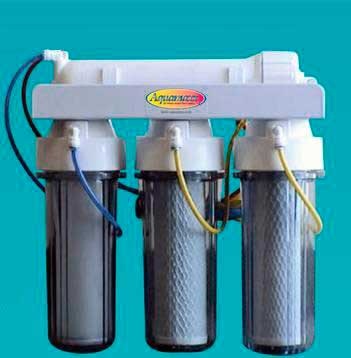
Filtration system: The filter turnover rate should process 4-6 times the aquarium volume per hour. For a 100-liter aquarium, this translates to a filter rated at 400-600 liters per hour. Adequate filtration ensures the nitrogen cycle functions efficiently, with ammonia and nitrite maintained at undetectable levels (<0.02 mg/l).
Aeration equipment: Even with adequate surface agitation from filtration, supplementary aeration may be necessary depending on stocking density and species requirements. Our guide on how to choose a compressor for the right home aquarium provides detailed specifications for various tank sizes.
Heating apparatus: For tropical freshwater aquariums, maintain temperatures between 24-26°C using submersible heaters rated at 1 watt per liter of water volume. Temperature stability is crucial; fluctuations exceeding 2°C within 24 hours induce physiological stress.
Illumination systems: Light intensity requirements vary by aquarium type. For planted aquariums, provide 30-50 lumens per liter with a photoperiod of 8-10 hours daily. LED systems offer superior energy efficiency and spectral control compared to traditional fluorescent fixtures.
Species compatibility and stocking considerations
The aquarium volume directly determines appropriate fish species and stocking densities. Apply the general rule of 1 liter of water per 1 cm of adult fish body length (excluding caudal fin). However, this guideline requires modification based on species-specific factors including metabolic rate, territorial behavior, and waste production.
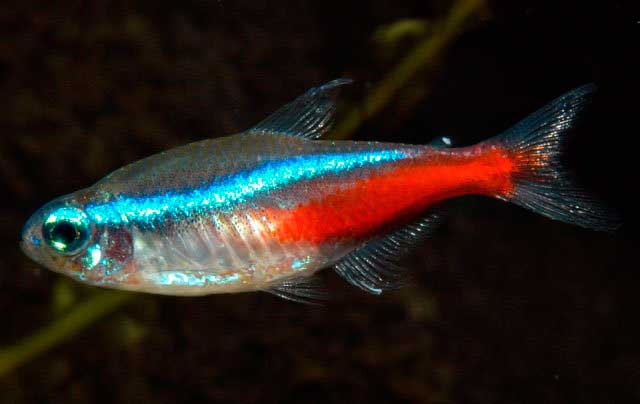
For beginners, hardy species such as danio fish provide excellent starting points due to their tolerance of suboptimal water parameters. Conversely, specimens like discus and aquarium plants combinations require precise water chemistry maintenance and are unsuitable for novice aquarists.
Species with specific requirements include astronotus in the aquarium, which require minimum volumes of 200 liters per specimen, and cockerel fish or fighting fish, which exhibit extreme intraspecific aggression. Keeping macropods in the aquarium also requires specialized knowledge of their territorial requirements.
Maintenance protocols and long-term sustainability
Select an aquarium configuration that facilitates routine maintenance procedures. Front-opening aquariums provide superior access compared to top-opening designs. Consider the placement of technical equipment—external filters and heaters should be easily accessible without requiring complete aquarium disassembly.
Establish a maintenance schedule from the beginning: weekly water changes of 20-25% of total volume, biweekly filter media inspection, and monthly comprehensive maintenance including cleaning the aquarium properly. Consistent adherence to maintenance protocols prevents the accumulation of nitrate (maintain below 40 mg/l) and phosphate (below 1 mg/l), which stimulate excessive algae growth.
Location and structural support
Calculate the total system weight before installation: water weighs 1 kg per liter, substrate approximately 1.5-1.8 kg per liter of substrate volume, and the aquarium itself typically 10-15% of water weight for glass construction. A 100-liter aquarium with substrate and equipment weighs approximately 130-140 kg, requiring a dedicated stand capable of supporting at least 150 kg with safety margin.
Position the aquarium away from direct sunlight (which elevates temperature and promotes algae proliferation), heating radiators (causing thermal fluctuations), and high-traffic areas (vibrations stress fish). Ensure the supporting surface is perfectly level; deviations exceeding 2-3mm across the aquarium length create uneven stress distribution and potential seal failure.
Budgetary considerations and initial investment
Calculate total initial costs including not only the aquarium itself but all associated equipment and biological materials:
| Component | Percentage of Total Budget | Notes |
|---|---|---|
| Aquarium + Stand | 35-40% | Core infrastructure |
| Filtration System | 15-20% | Never compromise on filter quality |
| Heating + Lighting | 10-15% | Species-dependent requirements |
| Substrate + Decoration | 10-15% | Aesthetic and biological function |
| Livestock + Plants | 15-20% | Gradual stocking recommended |
| Testing Kits + Chemicals | 5-10% | Essential monitoring tools |
Specialized configurations: beyond traditional setups
While traditional freshwater community aquariums suit most beginners, specialized configurations exist for advanced hobbyists. Biotope aquariums replicate specific natural habitats with endemic species and authentic substrate composition. Paludarium designs incorporate terrestrial sections, supporting organisms like orchid in an aquarium setups, though these require expertise in both aquatic and terrestrial plant cultivation.
Conclusion: evidence-based decision making
Selecting an appropriate aquarium requires systematic analysis of multiple parameters rather than impulsive aesthetic decisions. Prioritize volume stability over decorative appeal, invest in reliable technical infrastructure, and select hardy species appropriate for your experience level. Remember that successful aquarium keeping represents a long-term commitment requiring consistent maintenance and continuous learning. Begin with a properly sized system using proven equipment, and expand your capabilities gradually as expertise develops through practical experience and scientific understanding of aquatic ecosystems.