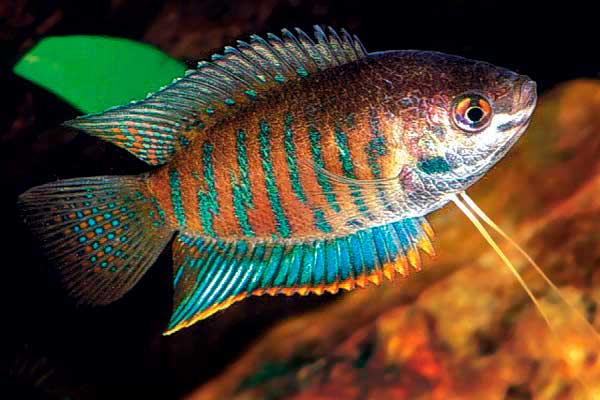
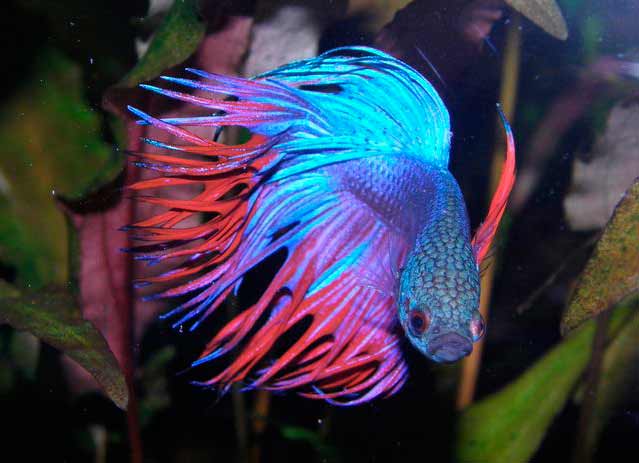
Labyrinth fish earned their name from a unique respiratory organ—the labyrinth—that evolved as an adaptation to oxygen-poor, murky, and shallow waters of Africa and Southeast Asia. This supplementary breathing apparatus allows venous blood to absorb oxygen directly from atmospheric air. Most labyrinth fish inhabit stagnant or slow-moving waters with low dissolved oxygen levels. These shallow bodies of water heat up quickly, often reaching 30°C, and accumulate organic matter that clouds the water. To navigate these murky conditions, many labyrinth fish developed elongated ventral fins that function as sensory feelers.
While labyrinth fish tolerate a wide range of water parameters, they absolutely depend on access to surface air. The most critical requirement for keeping these fish is maintaining an air gap between the aquarium lid and water surface. A cover or glass top is essential—not only do labyrinth fish readily jump out of open tanks, but the lid also minimizes temperature differences between the air layer and water. When air temperature drops significantly below water temperature, respiratory infections become a serious risk.
Filtration and Aeration Requirements
Because labyrinth fish breathe atmospheric air, they thrive even in water with minimal dissolved oxygen. This eliminates the need for aeration equipment, simplifying your aquarium setup considerably. The only exception is when raising fry—until about three weeks of age, young labyrinth fish cannot yet use their labyrinth organ and depend entirely on dissolved oxygen.
Powerful filtration isn’t necessary for labyrinth fish; moderate or even weak filters work perfectly well. However, placement matters tremendously. In my experience, directing the filter output toward the aquarium wall is critically important—strong currents cause constant stress and suppress natural behavior in these fish. When installing your aquarium correctly, consider filter positioning from the start to avoid creating uncomfortable water flow.
Plant Selection and Substrate
An aquarium for labyrinth fish should be densely planted, which requires nutrient-rich substrate. Coarse sand or fine gravel works well as a base. Labyrinth fish occupy the upper third of the aquarium and feel most secure among vegetation, particularly plants floating at the surface.
Plants serve multiple purposes beyond aesthetics. Dense vegetation creates territorial zones where each fish feels protected. Weaker individuals and females pursued by overly enthusiastic males find refuge in plant thickets. Choose fast-growing species that spread across the water surface—riccia and duckweed are excellent choices.
A bare water surface creates stress and insecurity in labyrinth fish. Surface plants provide essential cover and serve as anchoring points for bubble nests during breeding. I recommend combining floating plants with tall stem plants—this creates natural hiding spots and effectively zones the aquarium space.
Decoration and Background
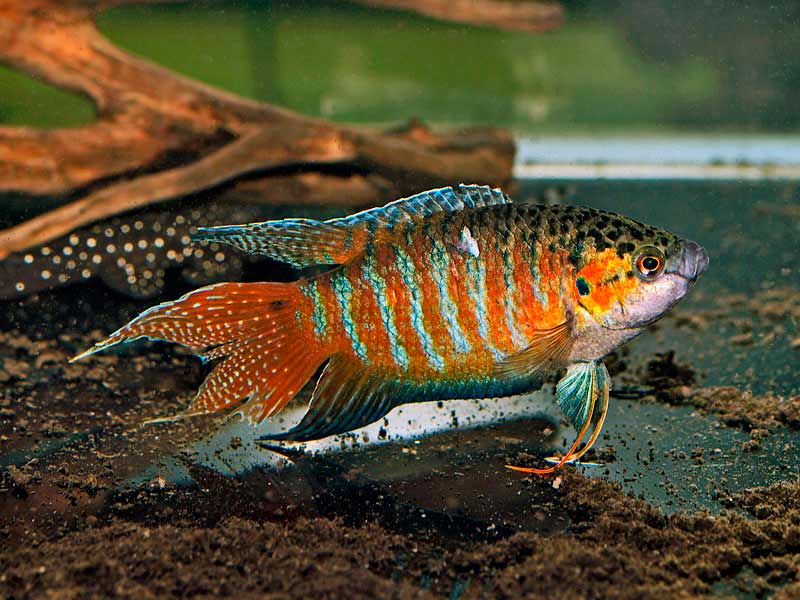
Driftwood serves double duty as shelter and attractive décor. Some labyrinth species appreciate additional hiding places created from stacked stones or inverted clay pots. Labyrinth fish display their colors poorly against light backgrounds, so choose dark backing for your tank. The right background not only enhances their vibrant coloration but also helps fish feel more confident and secure.
Dark backgrounds help labyrinth fish like paradise fish display their vibrant colors more effectively
When planning lighting, balance the needs of both fish and plants. Moderate illumination suits most labyrinth fish while encouraging healthy growth in floating vegetation.
Water Parameters and Temperature
Most labyrinth fish accept standard dechlorinated tap water, though certain species require soft, acidic conditions. Breeding typically demands softer, more acidic water regardless of species. Gouramis tolerate temperatures from 23-26°C comfortably, though they survive brief periods between 20-30°C. For mixed labyrinth communities, maintain around 26°C—this suits the majority of species.
Labyrinth fish prefer aged water and dislike frequent changes. Adding fresh water often triggers territorial disputes; lowering temperature to 21°C helps calm aggressive behavior. In my experience, changing 15-20% of water every 10-14 days maintains balance without provoking aggression. Before bringing home new aquarium fish, ensure your water change routine is established and stable.
Feeding Considerations and Compatibility
Avoid installing feeding rings in labyrinth tanks. Dominant individuals often monopolize these spots, gorging themselves while preventing others from eating. Scattering food across the surface ensures more equitable distribution.
Not all labyrinth fish are peaceful—even within typically mild-mannered species, aggressive individuals appear regularly. Close observation is essential, especially during the first weeks after introduction. I recommend carefully selecting tankmates and maintaining a spare aquarium for separating incompatible fish.
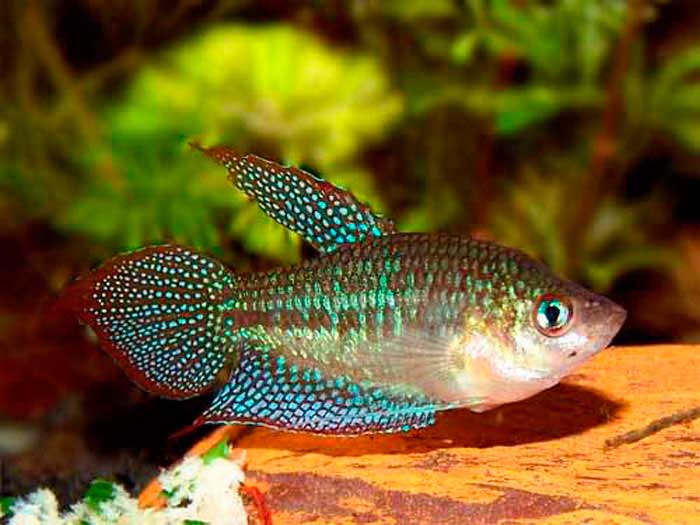
This list barely scratches the surface of available labyrinth fish, but these represent the most popular aquarium species. With proper setup following aquarium safety principles, labyrinth fish reward you with brilliant colors and fascinating behavior for years to come.