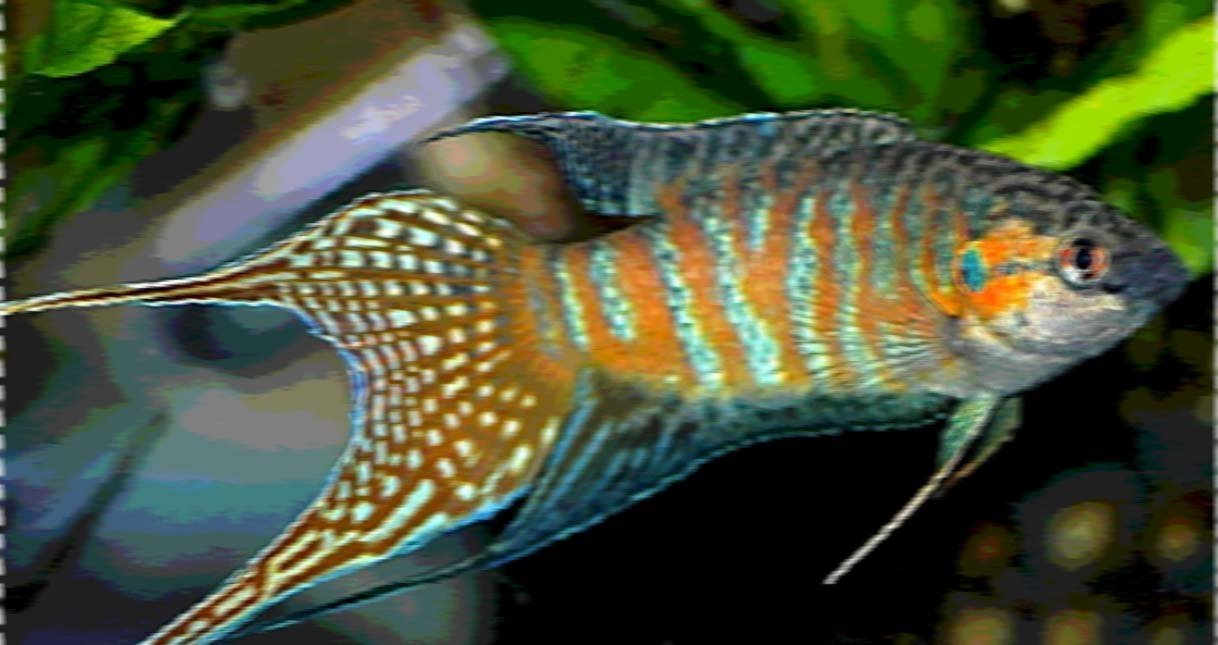
Keeping macropods in the aquarium is a very fascinating activity. Macropods are very beautiful and unpretentious. Therefore, they can be recommended even to novice aquarists.
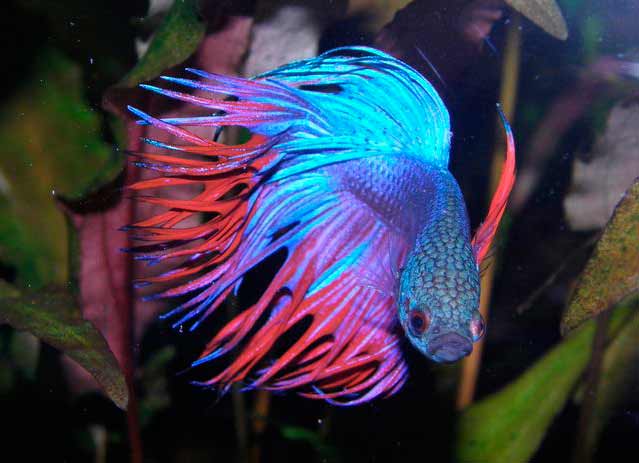
Cockerel fish or fighting fish. Living in an aquarium
Betta Fish: A Living Flame in Your Aquarium
The betta fish (Betta splendens), also known as the Siamese fighting fish, is one of the most iconic and recognizable freshwater aquarium fish in the world. With its jewel-like colors and flowing finnage, this remarkable labyrinth fish captivates beginners and experienced hobbyists alike. In my years of keeping bettas, I can say without hesitation that no other fish matches its combination of beauty, personality, and relative ease of care.
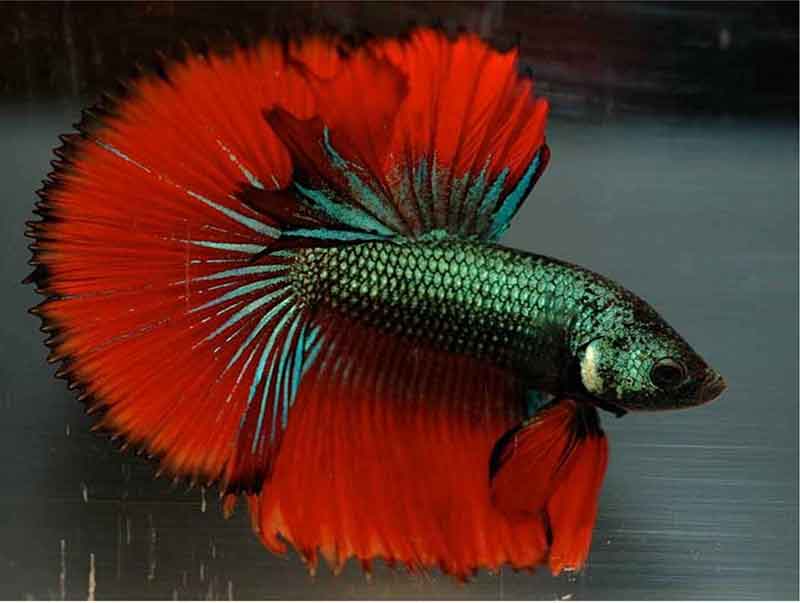
Betta splendens and their diseases
Betta Fish (Betta splendens): Overview and Tank Conditions
The Siamese fighting fish, commonly known as the betta (Betta splendens, Regan, 1910), captivates hobbyists worldwide with its breathtaking color variety and flowing finnage. Native to Southeast Asia — Thailand, Cambodia, and Vietnam — bettas inhabit slow-moving or stagnant freshwater bodies such as rice paddies, drainage ditches, and shallow ponds. Despite their elegant appearance, males are notoriously aggressive toward one another and must always be housed separately.
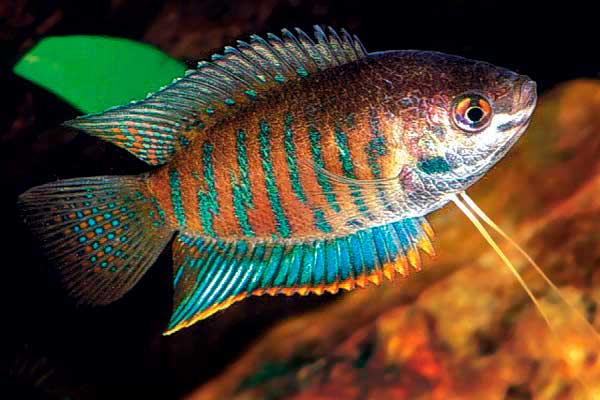
Aquarium Setup for Labyrinth Fish: Complete Guide
Understanding Labyrinth Fish
Labyrinth fish earned their name from a unique respiratory organ—the labyrinth—that evolved as an adaptation to oxygen-poor, murky, and shallow waters of Africa and Southeast Asia. This supplementary breathing apparatus allows venous blood to absorb oxygen directly from atmospheric air. Most labyrinth fish inhabit stagnant or slow-moving waters with low dissolved oxygen levels. These shallow bodies of water heat up quickly, often reaching 30°C, and accumulate organic matter that clouds the water. To navigate these murky conditions, many labyrinth fish developed elongated ventral fins that function as sensory feelers.
Betta Fish: Colorful Fighters for Your Aquarium
Why Betta Fish Are Perfect for Beginners
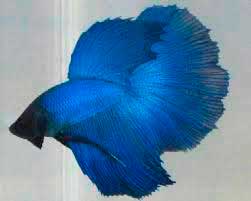
Many aquarium enthusiasts dream of keeping beautiful fish without investing in extensive equipment like compressors and aerators. Let me introduce you to the betta fish, also known as the Siamese fighting fish (Betta splendens). These remarkable creatures belong to the labyrinth fish family, possessing a specialized labyrinth organ that allows them to breathe atmospheric air directly from the surface. This unique adaptation means you won’t need an air pump for your tank.
Banded Gourami: Care Guide and Breeding Tips
Scientific Classification and Origin
The banded gourami (Trichogaster fasciata) is a labyrinth fish from the Osphronemidae family, first described in 1801 by Bloch and Schneider. European aquarists became acquainted with this species in 1897, and it reached Russia in 1904.
Thick-lipped Gourami (Trichogaster labiosus) Care Guide
Introduction
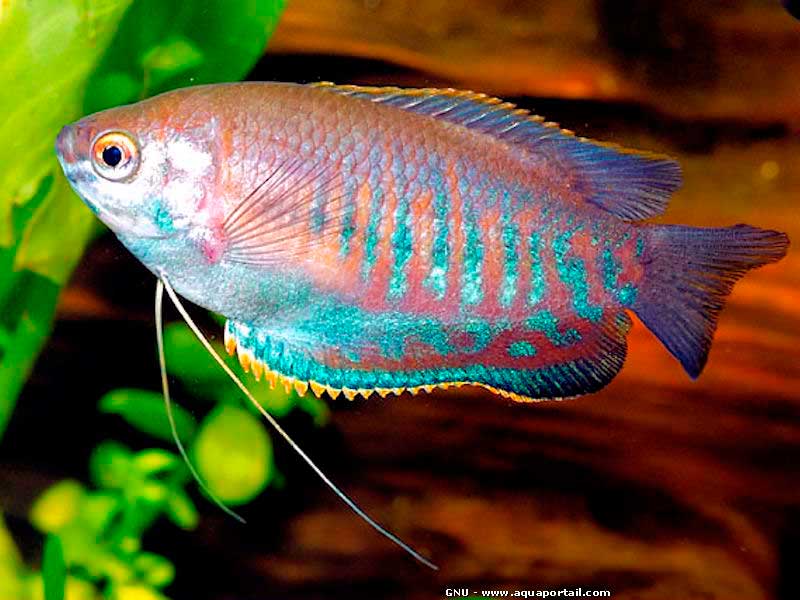
The thick-lipped gourami (Trichogaster labiosus) is a graceful labyrinth fish that has captivated aquarists worldwide for over a century. As the largest of the former Colisa species, this gourami displays coloration reminiscent of the dwarf gourami but with a notably peaceful temperament despite its impressive size. In my experience, this combination of beauty and gentle nature makes it an excellent choice for community aquariums.
Breeding Dwarf Gourami: Complete Guide for Success
Preparing for Dwarf Gourami Spawning
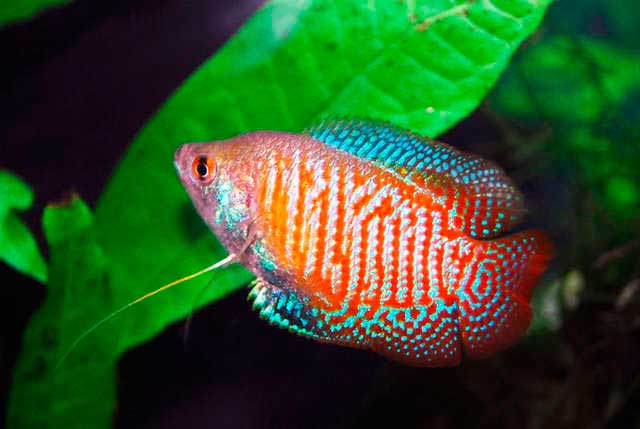
Breeding dwarf gourami (Trichogaster lalius) at home is a rewarding process that requires careful preparation and attention to detail. Dwarf gouramis reach sexual maturity at 5-6 months of age. In my experience, spawning is best planned for spring or early summer—these periods make it easier to obtain live foods from natural ponds, which are ideal for raising fry.
Dwarf Gourami Care: Complete Guide for Aquarium Keepers
Scientific Classification and Origin
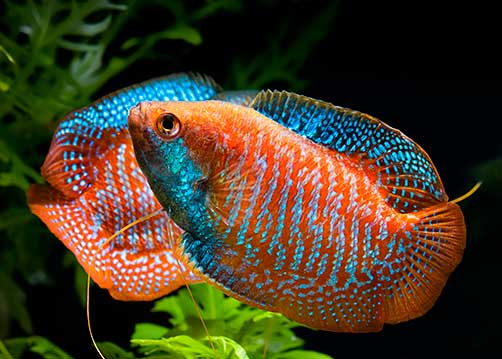
The dwarf gourami (Trichogaster lalius, formerly Colisa lalia) belongs to the family Osphronemidae, order Perciformes. First described by Hamilton-Buchanan in 1822, this species originates from the river systems of India, including Bengal and Assam, spanning the basins of the Ganges, Brahmaputra, and Indus rivers.