Why Start with Hardy Aquarium Fish
Many people dream of having their own home aquarium filled with beautiful fish. However, not everyone takes the plunge, as without certain knowledge and experience, fish can perish — unfortunately, this is not uncommon among novice aquarists.
Hardy aquarium fish forgive many beginner mistakes, thrive in a wide range of water parameters, and don’t require special water conditions. In my experience, these are precisely the species you should start with when entering the hobby — they allow you to gain invaluable experience and confidence before moving on to more demanding species.
Livebearing Poeciliids — The Best Choice for Beginners
Most experts recommend starting your aquarium journey with livebearing fish from the Poeciliidae family, which includes the well-known guppies, swordtails, and mollies. These poeciliids are exceptionally adaptable and represent the ideal introduction to fishkeeping.
Guppies — The Most Undemanding Fish
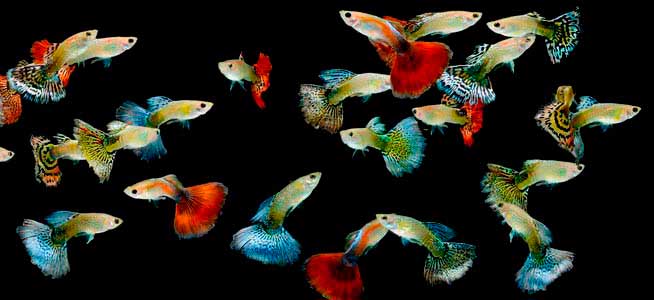
Guppies (Poecilia reticulata) are rightfully considered among the most undemanding aquarium inhabitants. Males display a remarkable variety of colors and luxurious tails, while females are less colorful but larger.
| Parameter | Value |
|---|---|
| Temperature | 72-79°F (22-26°C) |
| pH | 6.5-8.5 |
| Hardness (gH) | 10-25° |
| Volume per pair | 2.5 gallons |
| Size | males up to 1.2 in, females up to 2.4 in |
For comfortable keeping, I recommend a tank of at least 13 gallons for a group of 10 individuals with plenty of vegetation. Guppies breed readily, but they often eat their own fry. Therefore, if you want to raise the offspring, it’s better to separate the adults from the newborns.
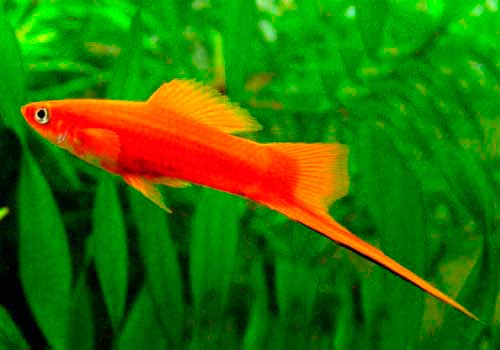
Swordtails
With their bright coloration, swordtails make an attractive addition to any aquarium. These are relatively large livebearers — individual specimens can reach 3-4 inches. If you plan to keep these fish, you must cover the top of the aquarium, as they can jump out of the water. Swordtails also display the same behavior toward their offspring — they may eat the fry.
Catfish — Aquarium Janitors
Hardy aquarium fish also include various catfish species — spotted corydoras, panda corydoras, and bristlenose plecos. These are peaceful creatures that prefer to live at the bottom of the aquarium close to the substrate.
Corydoras
Spotted and panda corydoras are schooling bottom-dwellers measuring 1.6-2.4 inches. Be sure to equip the aquarium with hiding spots where catfish love to retreat. In my experience, a 10-13 gallon tank is sufficient for a small group of 5-6 individuals.
Interestingly, these catfish are true long-livers — spotted corydoras can reach 10-12 years of age. Moreover, they can be called faithful partners: once they form a pair, they remain loyal to their mate for life.

Bristlenose Plecos
Bristlenose plecos, or sucker catfish, are among the most popular aquarium inhabitants. These fish have a modified mouth apparatus in the form of a sucker, allowing them to scrape algae growth from glass and decorations. I recommend keeping bristlenose plecos in tanks of at least 13 gallons. With proper care, they can live up to 6-8 years.
Betta Fish — Beauty and Character
These hardy aquarium fish are very popular among beginning aquarists. First and foremost, they’re beautiful — luxurious long, bright, multicolored tails make them resemble peacocks.
| Parameter | Value |
|---|---|
| Temperature | 75-82°F (24-28°C) |
| pH | 6.0-8.0 |
| Hardness (gH) | 5-15° |
| Volume per fish | 1.3-2.6 gallons |
| Size | up to 2-2.8 inches |
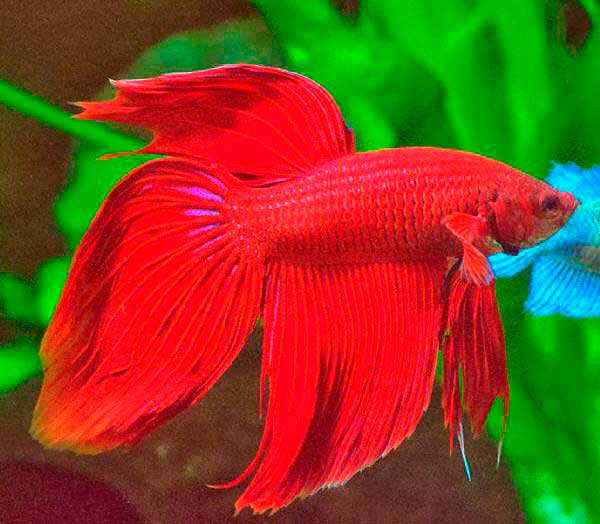
However, keep in mind that they didn’t get their name by accident: bettas (Betta splendens) are quite aggressive fish and love to settle disputes with their relatives. Therefore, if you keep two males of this species, fights are inevitable.
Otherwise, keeping bettas presents no difficulties. They readily eat both dry and live food. If you want to plant any vegetation in the aquarium, bettas won’t damage it.
Schooling Fish for Beginners
Zebra Danios
Zebra danios are small schooling fish whose body length typically doesn’t exceed two inches. They have a greenish or bluish color with characteristic stripes. You can stock a school of 6-8 individuals in a 2.6-4 gallon tank. Water temperature should be maintained between 70-75°F.
Zebra danios happily consume live food but won’t refuse flake food either. Since these fish are quite jumpy, I recommend covering the aquarium with a lid to avoid accidents. There are also other interesting danio species worth exploring as you gain experience.

Neon Tetras
Neon tetras are very beautiful and peaceful hardy aquarium fish of small size. These are schooling fish that tolerate solitude poorly, so owners are advised to keep them in small groups — 5-6 individuals. For comfortable living, they require a larger tank — for 10 individuals of this species, you’ll need an aquarium of at least 13 gallons. Neons are completely undemanding regarding water composition and can exist normally at temperatures from 64 to 82°F.
Tiger Barbs
Tiger barbs are bright striped fish measuring 2.4-2.8 inches, distinguished by active behavior and hardiness. These are schooling fish that should be kept in groups of at least 6 individuals — in this case, they’ll be occupied with interacting among themselves and won’t bother tank mates. Barbs are omnivorous and easily adapt to various conditions, making them an excellent choice for beginners.
Basic Care Guidelines
Every week, you need to drain about 20-30% of the water and replace it with fresh, pre-conditioned water. This must be done in an aquarium with any inhabitants to maintain a healthy environment.
In my experience, stability of water parameters is more important than their absolute values — sudden fluctuations in temperature and water characteristics negatively affect fish health. When choosing aquarium fish for your first tank, give preference to the species described above. They’ll forgive you many mistakes and allow you to gain invaluable experience that will come in handy when keeping more demanding species.
Article updated: 2026-08-06