Why Betta Fish Are Perfect for Beginners
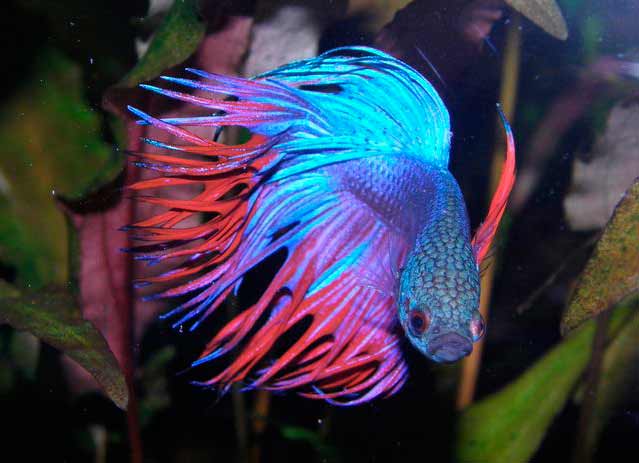
Many aquarium enthusiasts dream of keeping beautiful fish without investing in extensive equipment like compressors and aerators. Let me introduce you to the betta fish, also known as the Siamese fighting fish (Betta splendens). These remarkable creatures belong to the labyrinth fish family, possessing a specialized labyrinth organ that allows them to breathe atmospheric air directly from the surface. This unique adaptation means you won’t need an air pump for your tank.
Selective breeding of Betta splendens has been ongoing since the late 19th century, focusing primarily on enhancing coloration and fin development. Modern ornamental specimens display incredible variety in color patterns, fin shapes, and lengths. In my experience, these captivating fish become the centerpiece of even modest aquariums, thanks to their brilliant colors and flowing, veil-like fins.
Water Parameters and Tank Requirements
| Parameter | Value |
|---|---|
| Temperature | 24-28°C (ideally 26-28°C) |
| pH | 6.0-8.0 |
| Hardness (dH) | 5-35 |
| Minimum volume | 5 liters per fish |
Betta fish are remarkably undemanding in every sense. They can survive in less-than-pristine water conditions, though I strongly recommend maintaining good water quality for optimal health. For lighting, I suggest providing approximately 0.4 watts per liter using white-spectrum fluorescent bulbs.
Feeding Your Betta
The foundation of a betta’s diet should consist of frozen foods such as bloodworms, brine shrimp (artemia), and daphnia, supplemented with specialized commercial betta pellets available at pet stores. I recommend feeding your betta once or twice daily, offering only what the fish can consume within 2-3 minutes.
Overfeeding is a common mistake that can lead to obesity and significantly shorten your betta’s lifespan. Monitor your fish’s body condition and adjust portions accordingly.
Temperament and Tank Mates
Betta fish are notorious fighters, particularly males. Never house more than one male betta in the same tank, as they will attack and injure each other, sometimes fatally. This aggressive behavior is deeply ingrained—it’s why they’re called fighting fish.
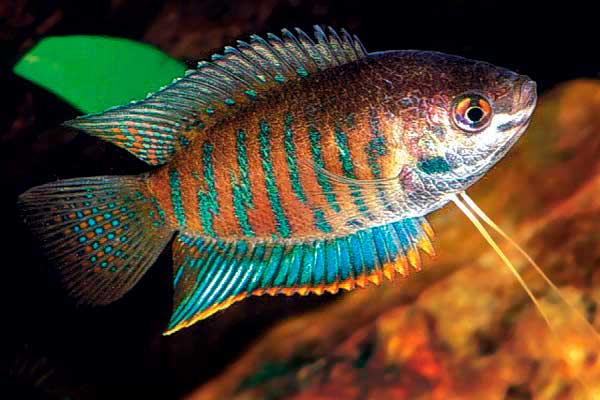
For community tanks, suitable companions include Corydoras catfish, danios, neon tetras, other small tetras, bristlenose plecos (ancistrus), mollies, and swordtails. Similar to other labyrinth fish like the Lalius, bettas appreciate peaceful tank mates that won’t nip their flowing fins.
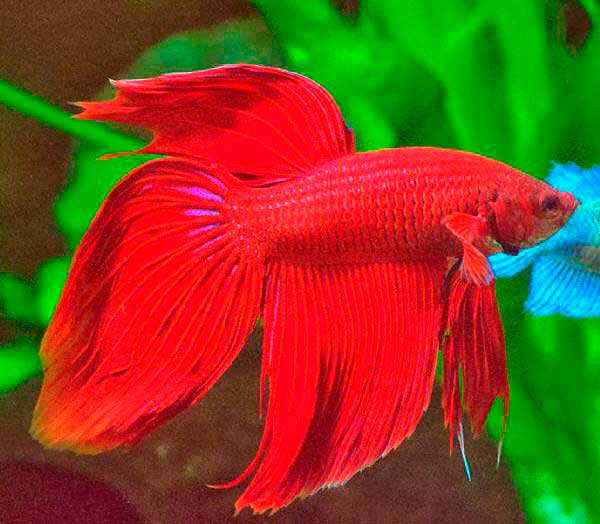
Here’s an interesting trick: if you want to see your betta display without risking other fish, place a small mirror near the tank. Your betta will flare at its own reflection, providing natural exercise and stimulation without any actual danger. However, you shouldn’t keep the mirror in the aquarium for long, as this could exhaust your pet. This virtual rival can only be safely used occasionally for a few minutes.
Health Considerations
Most health issues in Betta splendens stem from improper care rather than infectious disease. Fin rot—a bacterial degradation of fin tissue—resolves in approximately 90% of cases through simple regular water changes rather than antibiotic treatment. This underscores the importance of maintaining water quality as your first line of defense against illness.
Watch for signs of lethargy, loss of appetite, or changes in fin appearance. Early intervention through improved water conditions often prevents minor issues from becoming serious problems.
Are You Ready for a Betta?
Betta fish offer an ideal entry point into fishkeeping. Their minimal equipment requirements, stunning appearance, and relatively simple care make them perfect for beginners, while their individual personalities and breeding potential continue to fascinate experienced aquarists. With proper attention to water quality and appropriate tank mates, your betta can thrive and provide years of enjoyment.
Article updated: 2026-08-19