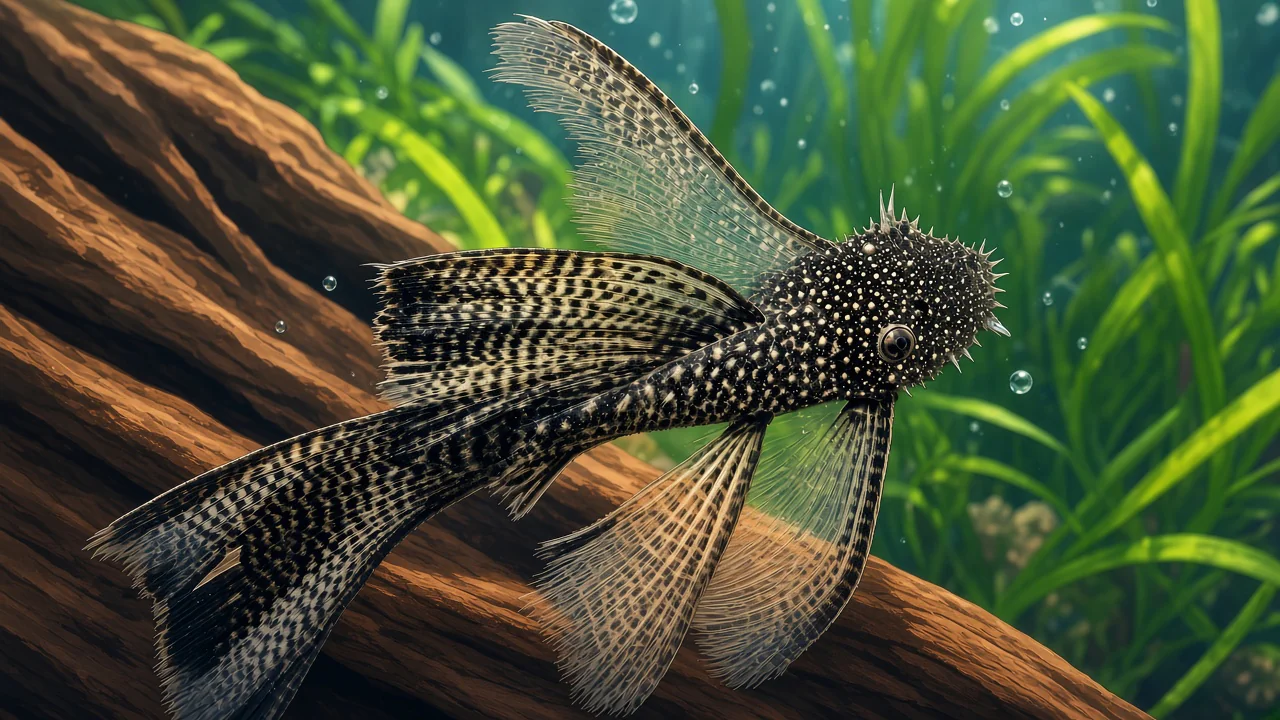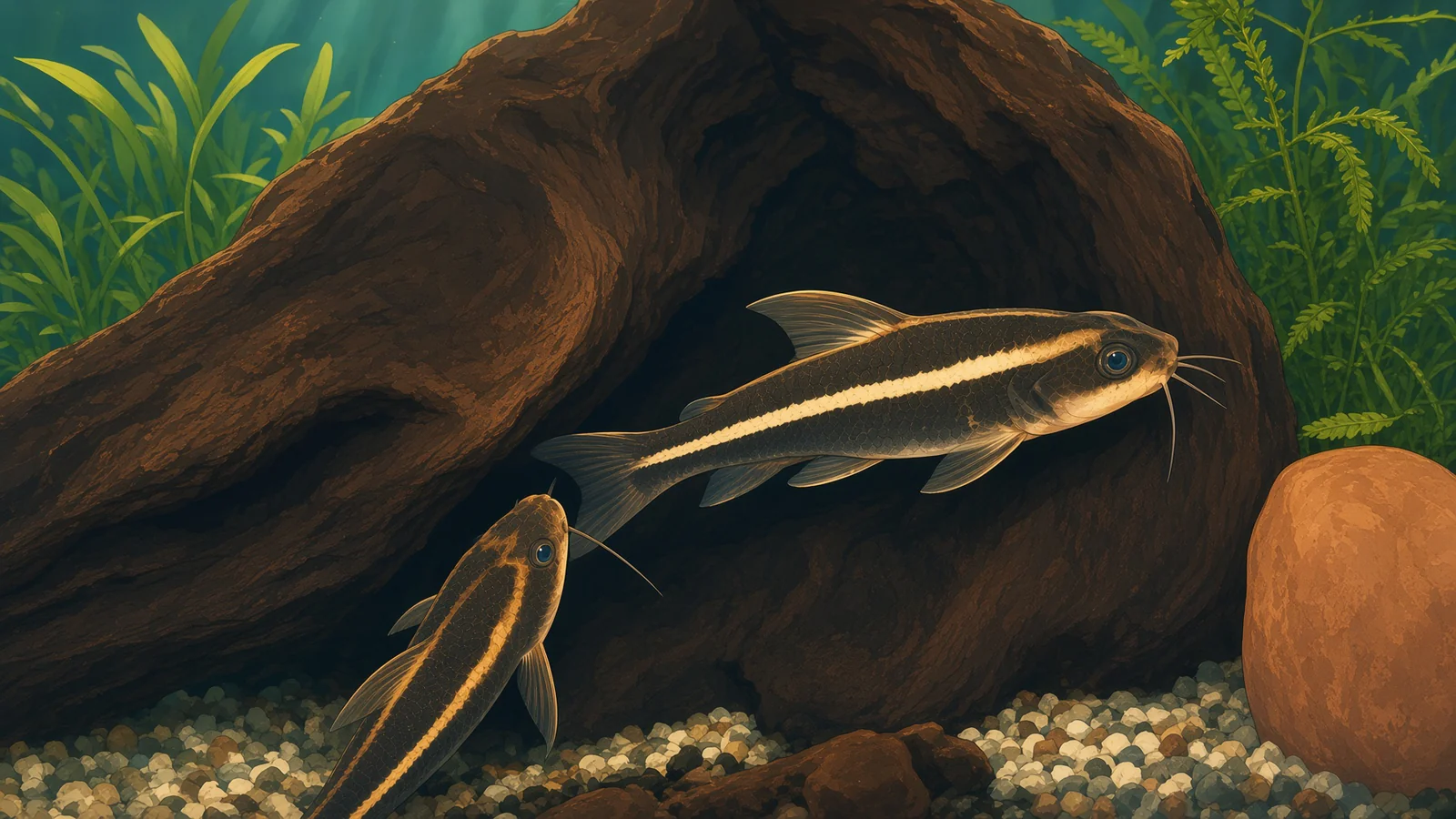
Two striped Platydoras catfish with barbels resting near driftwood among aquarium plants

Striped Raphael Catfish: Care Guide for Aquariums

Appearance and Physical Characteristics

The striped raphael catfish belongs to the thorny catfish family and stands out with its distinctive banded pattern and robust armor plating. The body is covered with thick skin reinforced by bony plates, while characteristic spines run along the lateral line. Bold black and white or yellowish stripes make this species easily recognizable among aquarium inhabitants.

Читать далее...

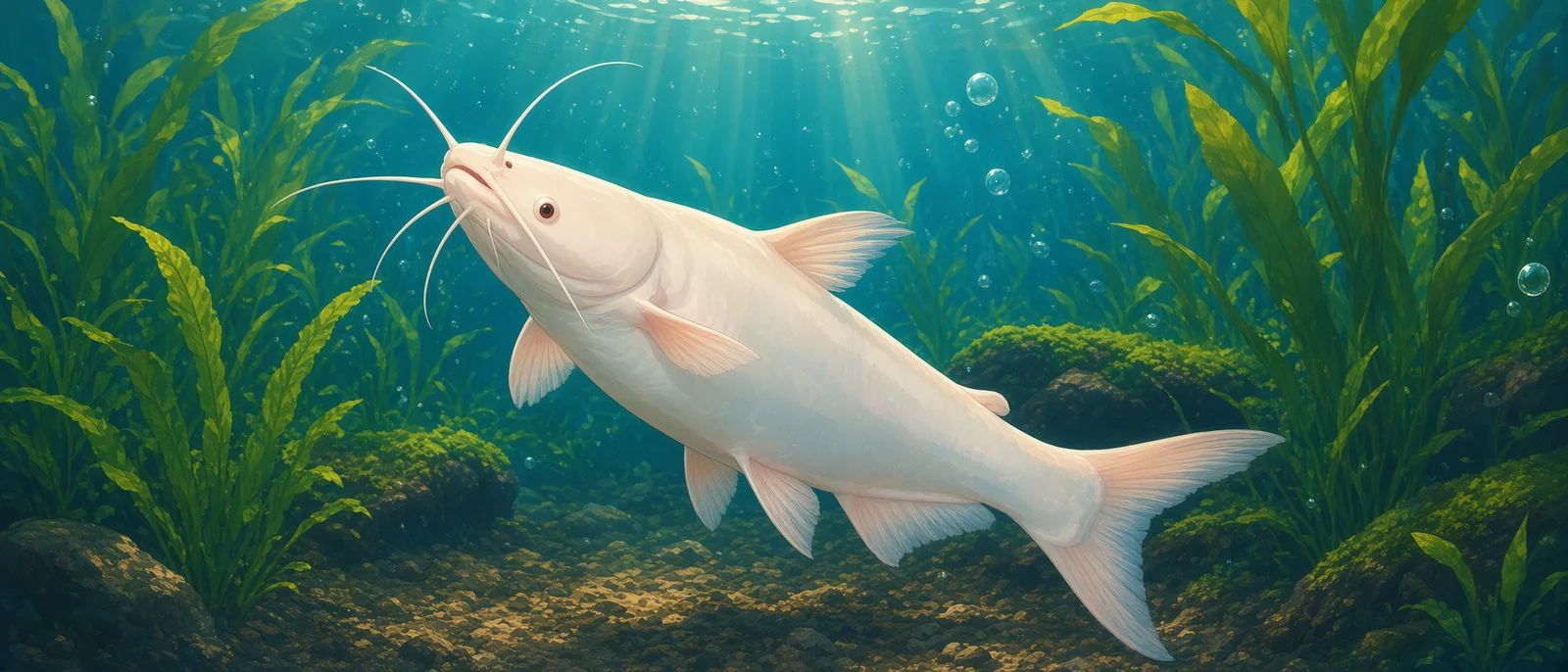
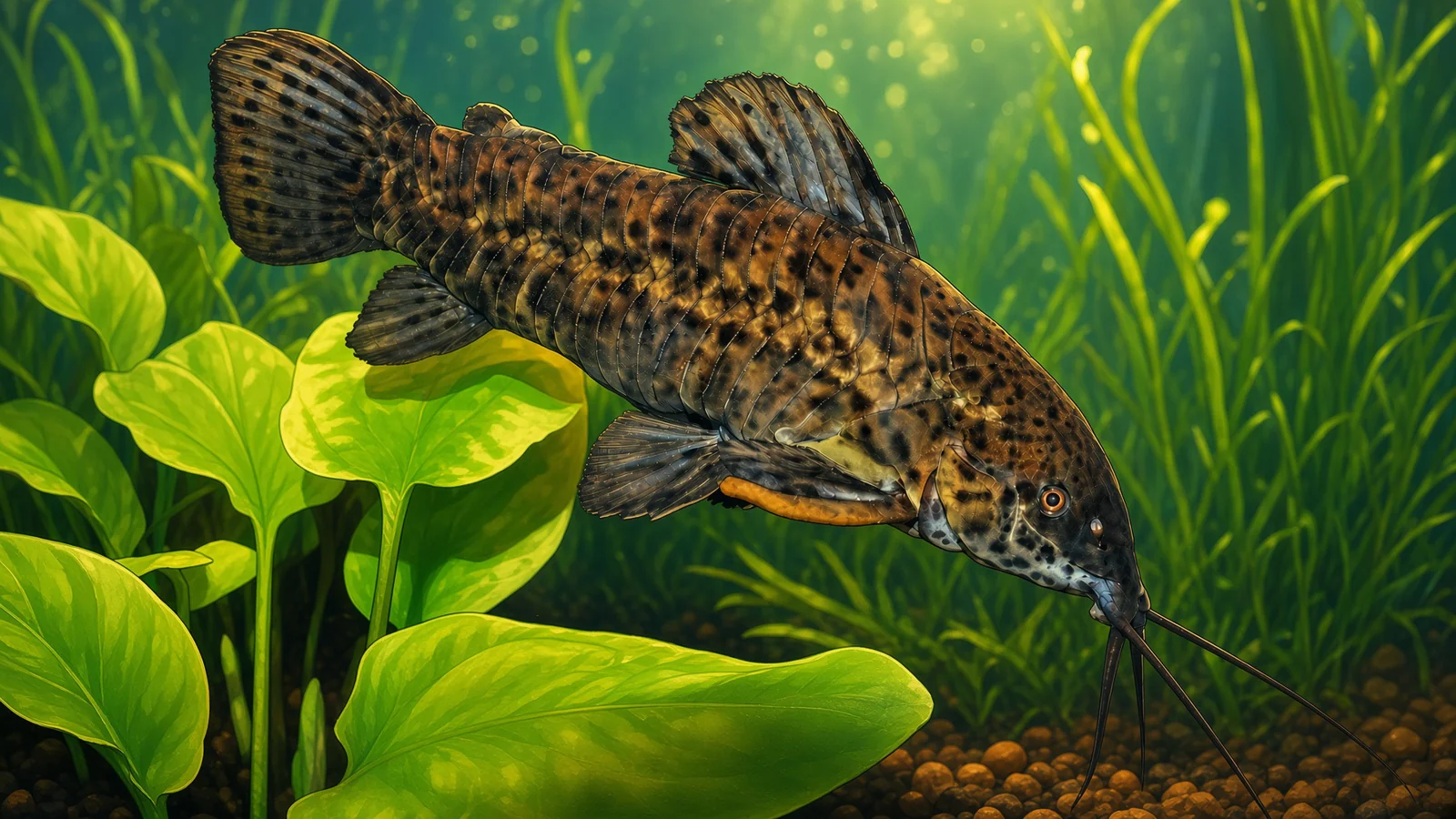
Taracatum catfish with distinctive brown spotted pattern and long barbels in a planted aquarium

Hoplo Catfish: Care Guide for Aquarium Keepers

Introduction to the Hoplo Catfish

The hoplo catfish (Hoplosternum thoracatum) stands out as one of the most fascinating bottom-dwelling species available to aquarium hobbyists. This member of the armored catfish family attracts attention not only through its distinctive appearance but also its engaging behavior. In the wild, this species inhabits waterways across South America—from Panama to Paraguay—populating the Amazon, Orinoco, and upper Paraguay river basins.

Читать далее...

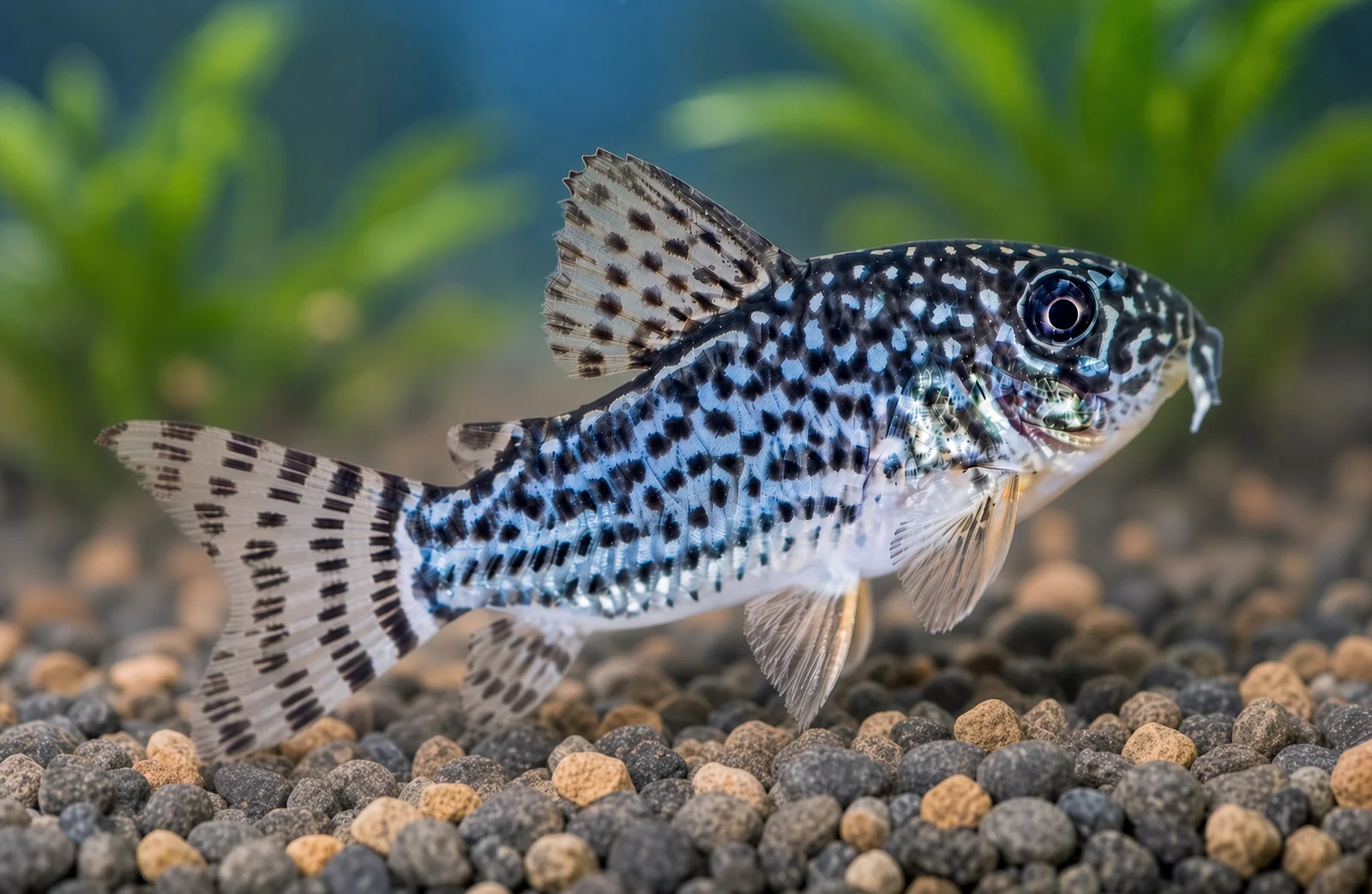
Corydoras catfish with metallic sheen on colorful gravel, side view

Cory Catfish Care: Essential Guide for Aquarium Owners

What Are Cory Catfish

Cory catfish belong to the genus Corydoras from the armored catfish family. These popular aquarium fish have earned widespread appreciation for their peaceful temperament, hardy nature, and useful habit of scavenging food from the substrate. The genus includes approximately 200 described species, with new ones regularly discovered. Undescribed species receive temporary designations with C or L codes followed by numbers.

Читать далее...

Pygmy Corydoras catfish side view showing characteristic dark horizontal stripe along body and transparent fins

Pygmy Cory: Care Guide for Aquarium Enthusiasts

Introduction to Pygmy Corydoras

Corydoras pygmaeus, commonly known as the pygmy cory, is among the smallest members of the armored catfish family. First scientifically described by Knaack in 1966, this diminutive species quickly gained popularity among aquarists for its peaceful temperament and compact size. In my experience, the pygmy cory makes an excellent choice for nano aquariums and community tanks with other gentle species.

Читать далее...

Panda cory catfish on sandy substrate showing characteristic black eye patches and dorsal fin marking

Panda Cory Care: Tank Setup and Maintenance Guide

Introduction to Corydoras Panda

The panda cory (Corydoras panda) stands out as one of the most charming armored catfish species in the aquarium hobby. This small bottom-dweller earned its name from distinctive markings resembling a giant panda: a black patch across the eyes like a mask, a dark spot at the tail base, and contrasting dorsal fin against a light pink or cream body. In nature, Corydoras panda inhabits the upper Amazon basin, primarily in rivers of Peru and Ecuador, especially the Ucayali River system, where it favors areas with soft acidic water, sandy substrate, and gentle current.

Читать далее...

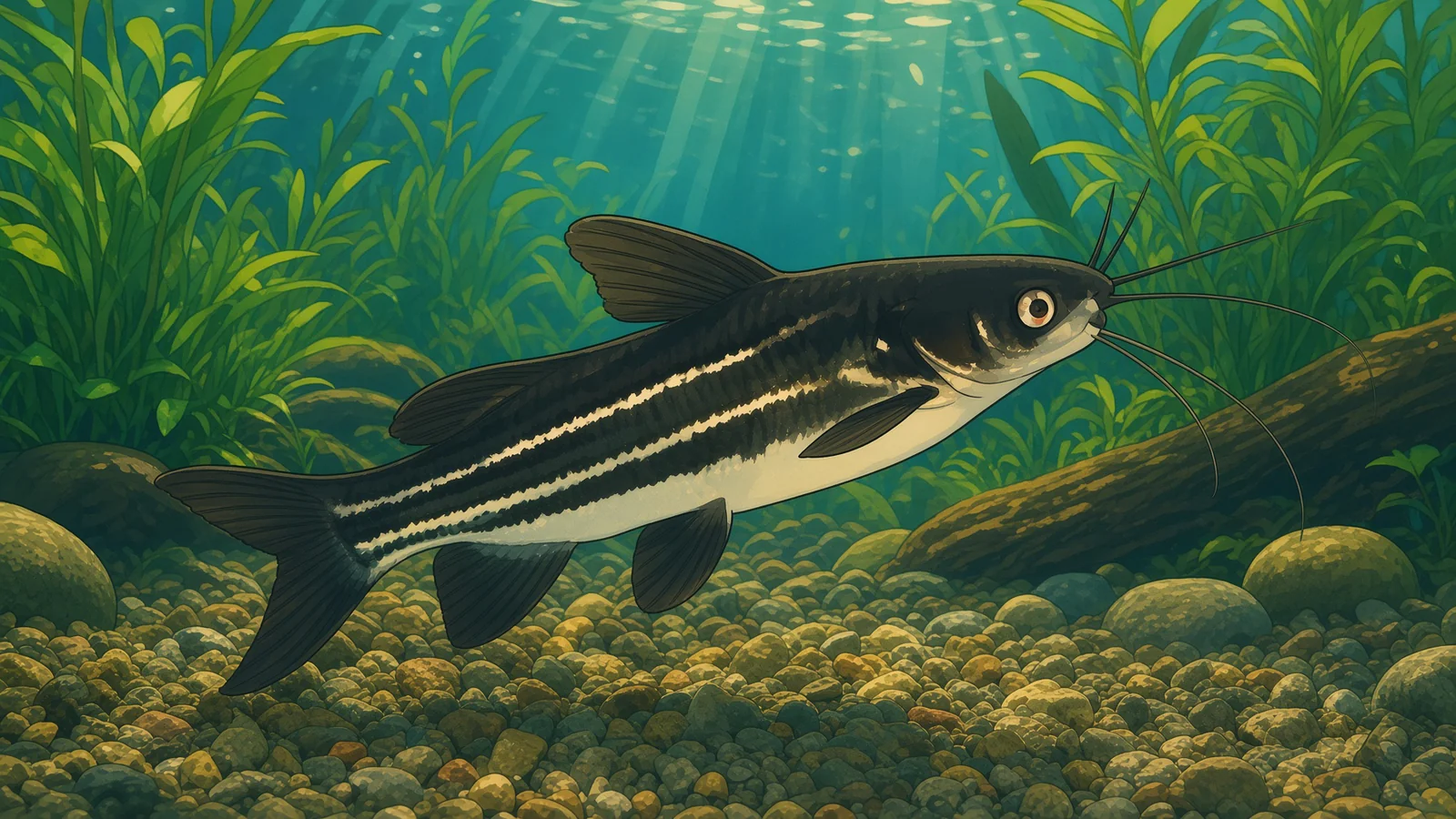
Striped catfish with black and white banded pattern and spotted fins on dark substrate

Peppered Cory Care: Tank Setup and Maintenance Guide

Understanding the Peppered Cory

The peppered cory (Corydoras paleatus) ranks among the most beginner-friendly aquarium fish available today. This armored catfish species has graced home aquariums for over a century, earning a well-deserved reputation for hardiness and peaceful temperament. In my experience, this fish serves as an excellent introduction to bottom-dwelling species—it tolerates common beginner mistakes while remaining genuinely engaging to observe.

Читать далее...

Transparent glass catfish showing visible skeleton and internal organs with long barbels

Glass Catfish: Care Guide for Aquarium Keeping

What Makes the Glass Catfish Unique

The glass catfish (Kryptopterus vitreolus) stands out as one of the most remarkable aquarium fish, offering a literal window into the workings of a living organism. Its nearly transparent body has earned it nicknames like “ghost fish” or “phantom catfish.” You can see right through the fish to observe internal organs, skeletal structure, and even the aquarium background behind it. The only opaque part is a silvery sac just behind the head that houses vital organs.

Читать далее...

Cuckoo catfish with spotted pattern and long barbels on rocky substrate

Cuckoo Catfish: Care Guide for Home Aquariums

Introduction

The cuckoo catfish is one of the most fascinating members of the featherfin catfish family. This species earned its common name from a remarkable reproductive strategy that mirrors the brood parasitism of cuckoo birds. In the wild, these fish are found exclusively in Lake Tanganyika in East Africa, where they’ve evolved alongside mouthbrooding cichlids.

Читать далее...

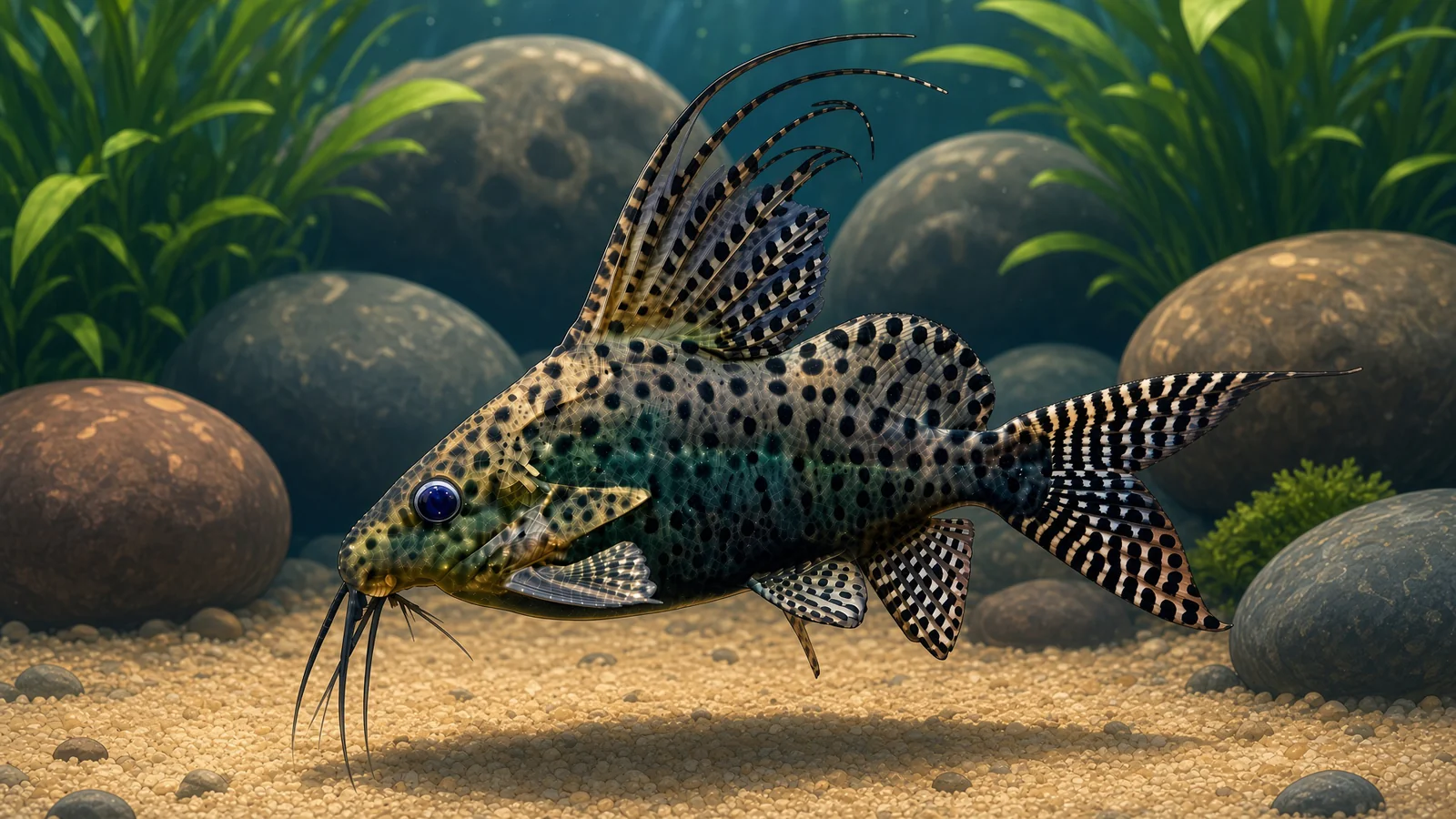
synodontis nigriventris

A Upside-Down Catfish

Upside-Down Catfish — A Unique Addition to Your Aquarium

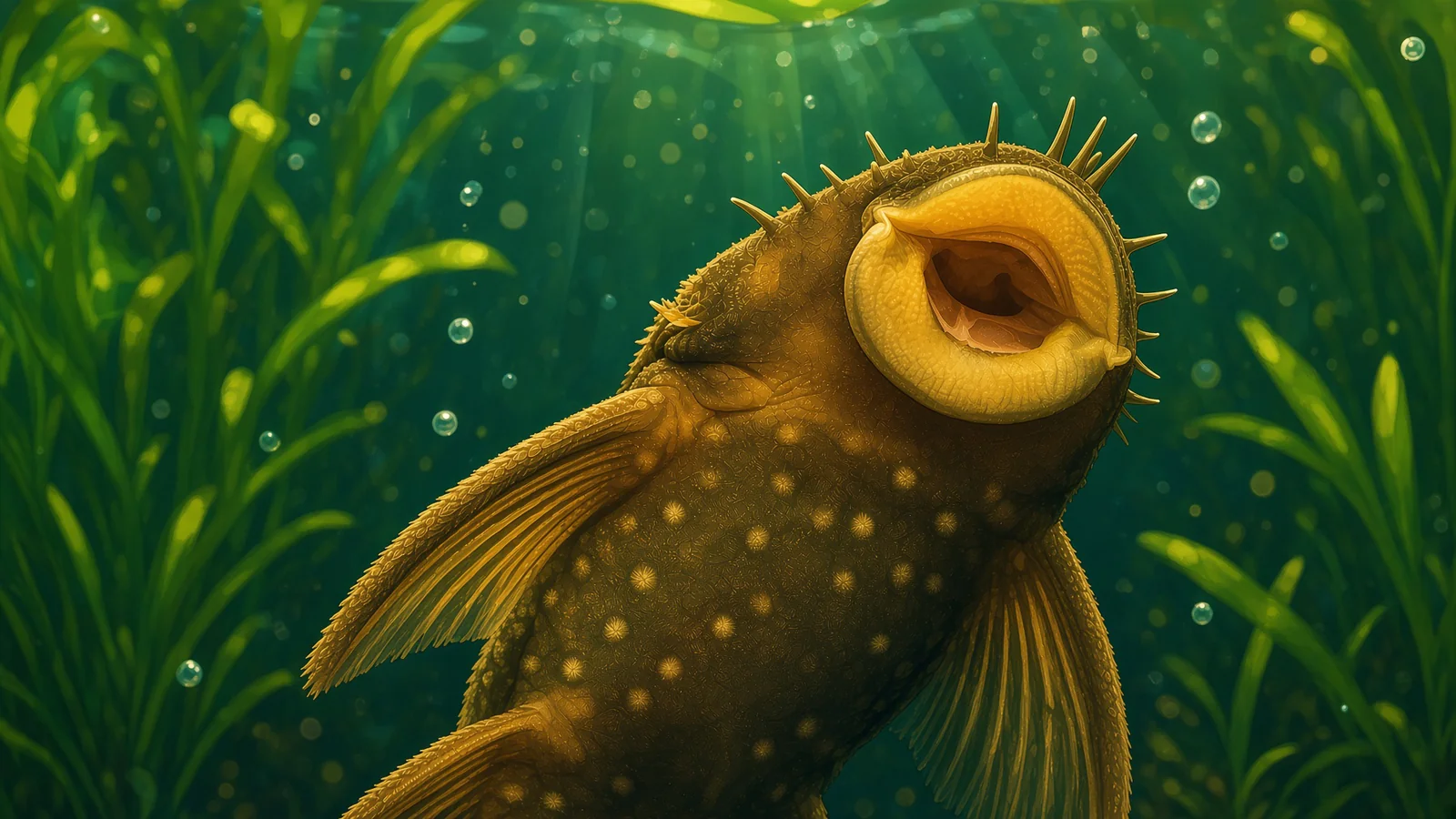
The upside-down catfish (Synodontis nigriventris David, 1936) is one of the most recognisable and entertaining species in the family Mochokidae. It is also the smallest member of the Synodontis genus, making it ideal for moderately sized home aquariums. Native to the Congo River basin in Central Africa, this species inhabits slow-moving tributaries with dense vegetation, submerged roots and plenty of driftwood.

Читать далее...