Introduction to Catfish Reproduction
Breeding aquarium catfish opens a fascinating window into fish biology and reproductive behavior. Success depends on understanding species-specific requirements and creating optimal conditions. Catfish display remarkable diversity in breeding strategies: some build bubble nests, others deposit eggs in caves, while many attach eggs to plants or aquarium glass.
Sexual maturity in popular aquarium catfish typically occurs between 8 and 18 months, though some species like bristlenose plecos may take up to a year. Recognizing natural breeding cycles helps recreate conditions that mirror their wild habitats, significantly improving your chances of raising healthy offspring.
Setting Up for Breeding Aquarium Catfish
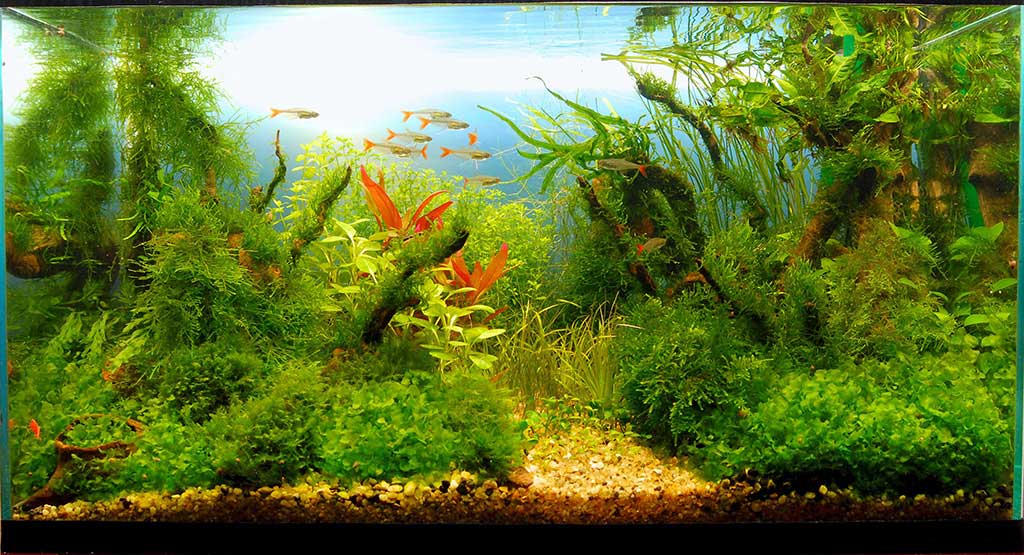
A dedicated breeding tank forms the foundation of successful catfish reproduction. Most species thrive in tanks of at least 30 liters, though larger catfish like bristlenose plecos benefit from 40-100 liter setups. Equip the breeding tank with hiding spots: driftwood, caves, ceramic tubes, or inverted flower pots. These aren’t mere decorations—many catfish species specifically choose protected areas for egg deposition.
Selecting healthy breeding stock proves critical. Choose active fish with vibrant coloration and no visible health issues. For Corydoras species, pairing one female with two to five males increases fertilization rates. Before spawning, condition your breeders with protein-rich live foods: bloodworms, tubifex, daphnia. This nutritional boost stimulates gamete development and prepares fish for the breeding process.
Water quality in the breeding tank requires careful monitoring. Parameters should match species-specific needs, but clean, well-oxygenated water with moderate flow applies universally. A sponge filter provides biological filtration without creating strong currents that could damage eggs or fry.
Triggering the Spawn
Temperature manipulation effectively triggers spawning in many catfish species. Water changes combined with slight temperature drops simulate rainy season conditions in nature. For Corydoras, adding cooler, oxygen-rich water—lowering temperature by 2-4 degrees while replacing one-third of the tank volume—often initiates breeding behavior.
Bristlenose plecos respond to similar stimulation: dropping temperature 2-3 degrees alongside frequent water changes and increased protein feeding activates reproductive behavior. Males begin selecting and meticulously cleaning potential nest sites, a process that may take several days. Patience matters here—rushing or interfering disrupts natural progression.
Spawning periods typically last up to 5 days across most catfish species. Many spawn at night or during twilight hours when they feel most secure. Observing behavioral changes signals the process has begun: males become more active, pursue females, and display courtship behaviors.
Species-Specific Spawning Behaviors
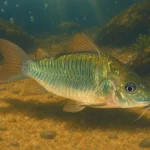
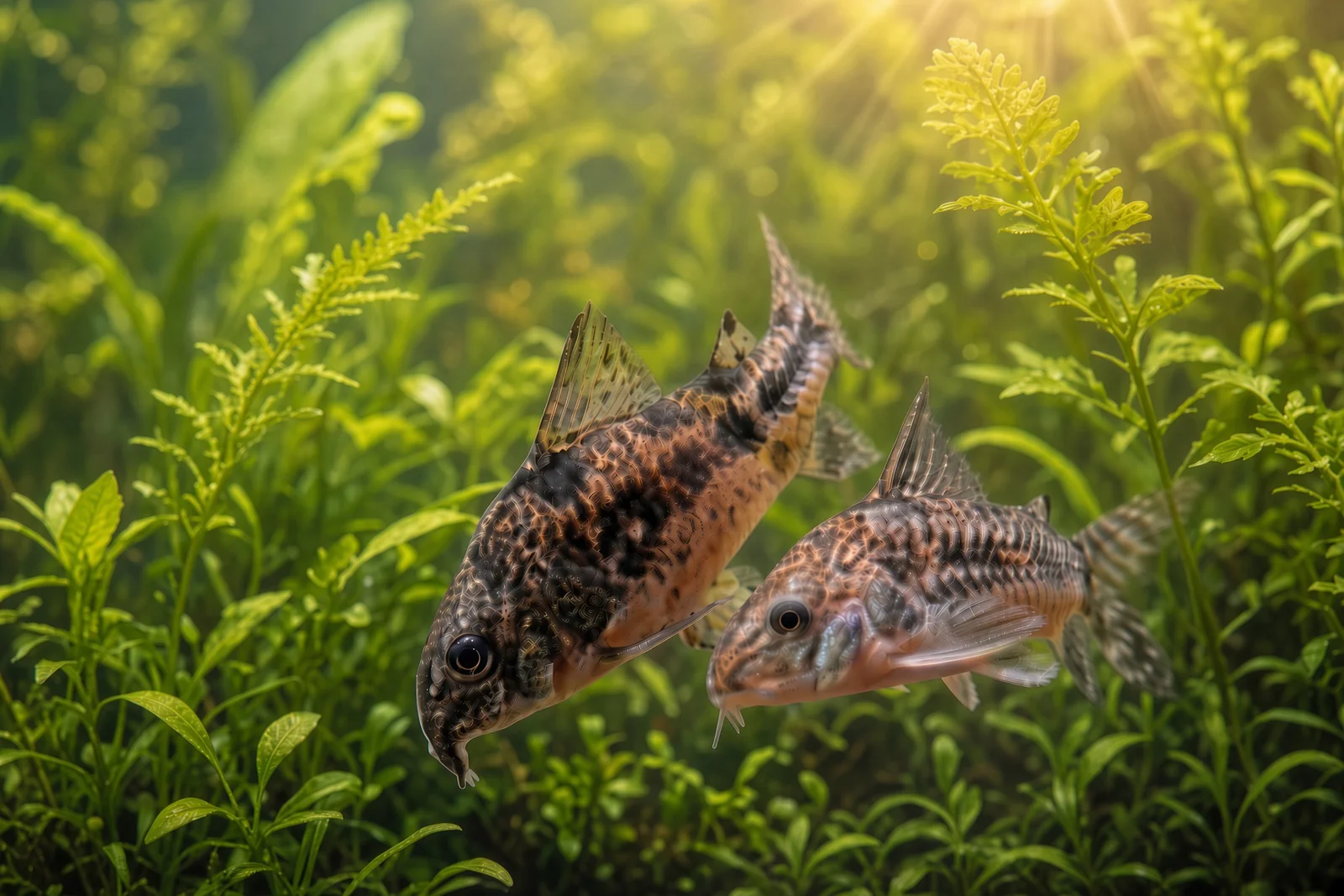
Corydoras exhibit unique breeding mechanics. Females collect milt from males in their mouths, then deposit eggs into a pouch formed by their pelvic fins. They attach these eggs to fine-leaved plants or aquarium glass. A single spawning produces 20-70 eggs. Interestingly, Corydoras can spawn again after 7-10 days, though allowing longer recovery periods benefits breeder health.
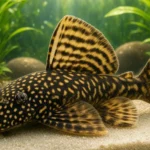
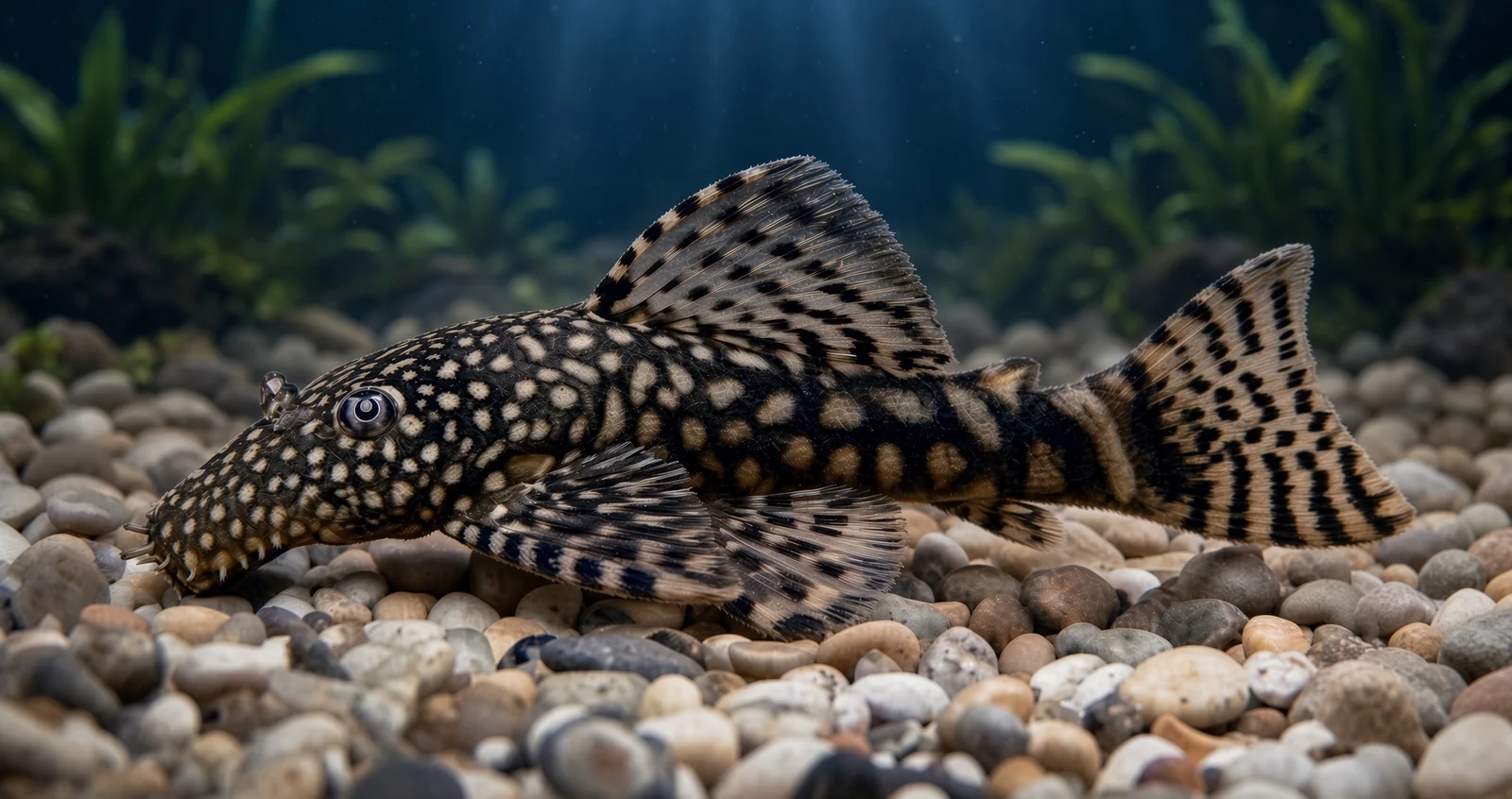
Bristlenose plecos follow different patterns. Females deposit 30-200 large, bright orange eggs in male-selected caves. After egg laying, males drive females away and assume complete parental care. They fan eggs with their fins to maintain oxygen flow, remove dead eggs, and fast throughout the guarding period. Remove females after spawning to prevent injury from protective males.
Hoplo catfish construct bubble nests for spawning—unusual for catfish and more typical of labyrinth fish. Armored catfish often deposit eggs on plants or surfaces, then abandon them. Many pleco species guard clutches until fry emerge, while some carry eggs behind enlarged lower lips until hatching—a rare adaptation among aquarium fish.
After spawning, remove parents from breeding tanks to prevent egg predation, except for species with strong parental instincts like bristlenose plecos, where males remain with clutches.
Egg Development and Fry Care
Bristlenose pleco eggs develop over 4-7 days depending on water temperature. Corydoras fry hatch in 3-12 days and begin free swimming 2-4 days post-hatching. Throughout this period, maintain stable water parameters and provide gentle aeration without strong currents.
Bristlenose fry start free swimming within 24-48 hours after hatching and immediately require feeding. Starter foods include blanched vegetables—zucchini, cucumber, lettuce—and specialized catfish fry foods. For Corydoras and other species, offer infusoria, baby brine shrimp, microworms, or quality commercial fry foods.
In my experience, feeding fry four times daily during initial growth stages produces best results. With proper care, Corydoras fry reach 1 cm length within a month, while bristlenose plecos attain sellable size of 3-3.5 cm in approximately 1.5-2 months.
Practical Breeding Tips
Maintain fry tanks with 20% weekly water changes and regular substrate cleaning. Uneaten food and waste rapidly degrade water quality, particularly dangerous for young fish. Use a fine-mesh siphon to avoid accidentally removing fry during maintenance.
Temperature stability proves essential. Fluctuations weaken fry immune systems and trigger disease outbreaks. Most catfish thrive at 24-26°C, though specific requirements vary by species.
Sort fry by size as they grow. Larger individuals may outcompete smaller siblings for food. Separating size groups equalizes conditions and improves survival rates. Once juveniles mature and strengthen, gradually transition them to community tanks or prepare for sale.
When keeping multiple species, consider compatibility carefully. For instance, swordtails and betta fish have entirely different breeding requirements than bottom-dwelling catfish. Avoid mixing different species in breeding setups—this creates stress and reduces success rates.
Conclusion
Breeding aquarium catfish rewards attention to detail and biological understanding. Proper breeding tank preparation, effective spawn triggering, and diligent fry care yield healthy offspring. I recommend beginners start with hardy species like Corydoras or bristlenose plecos—they forgive minor mistakes and breed readily in home aquariums.
Observing parental behaviors, egg development, and fry growth reveals the captivating world of aquarium breeding. Each successful spawn builds experience and confidence, enabling you to tackle more demanding species. Patience, consistency, and willingness to learn through practice form the foundation of success in this rewarding hobby.