Introduction
Many beginner aquarists wonder whether aquarium catfish eat fish in their tanks. The answer isn’t straightforward—it depends on the specific catfish species, tank conditions, and the size of their tankmates. Most popular aquarium catfish are peaceful creatures that coexist well with other inhabitants and serve as cleanup crew, consuming leftover food and algae. However, certain predatory species can attack fish small enough to fit in their mouths.
Predatory Catfish Species That May Attack Fish
Not all catfish are equally harmless. Some species have pronounced predatory instincts and pose real threats to smaller tankmates.
Platydoras is one such example. This catfish can consume small fish, becoming particularly active at night when other aquarium inhabitants sleep and become easy prey.
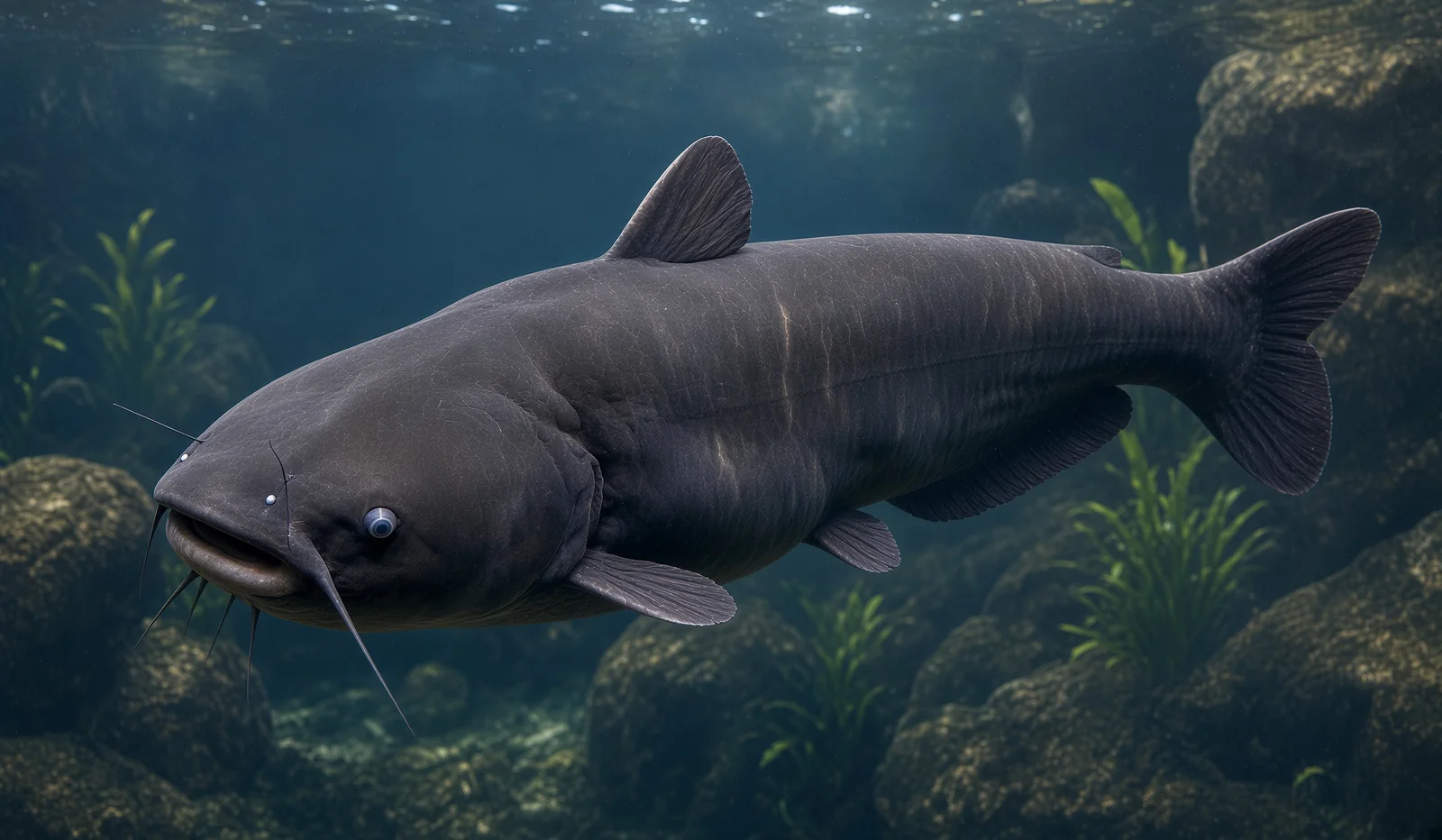
Red-tailed catfish is a large species that eats anything fitting in its mouth. Keeping it with small fish is absolutely inadvisable.
Air-breathing catfish leads a nocturnal lifestyle and hunts small fish. This is a typical predator unsuitable for community tanks with smaller species.
Iridescent shark catfish reaches impressive sizes and also belongs to predatory species. Only large tankmates are appropriate companions.
Synodontis can easily consume small fish if they come within reach. Understanding these behavioral traits is essential when selecting tank inhabitants.
Peaceful Catfish Species and Their Behavior
Most popular aquarium catfish pose no threat to tankmates and can be kept in community setups.
Bristlenose plecos are considered herbivorous and aren’t adapted for attacking live fish. Their sucker mouth is designed for scraping algae, not hunting. However, bristlenose plecos may consume dead fish found on the bottom, though they don’t kill them. Some aquarists have noted cases where bristlenose plecos attached to slow-moving fish like goldfish—this is an exception related to individual temperament rather than typical species behavior.
Corydoras are classic examples of peaceful catfish presenting no threat to other fish. They constantly forage in the substrate and coexist well even with small species like guppies.
Hoplo catfish display peaceful temperaments and tolerate other tankmates well. Herbivorous catfish species are compatible with virtually all aquarium inhabitants.
Why Aquarium Catfish Eat Fish: Causes of Aggression
Even peaceful species occasionally have incidents. Understanding the causes helps prevent them.
Insufficient space is a primary reason. Catfish may start eating other fish or showing aggression when they lack adequate room. With limited territory and personal space, even calm species become irritable.
Hunger triggers predatory behavior. Food scarcity can make catfish view tankmates as potential meals. Ensuring all inhabitants receive sufficient appropriate food is crucial.
Species incompatibility plays a major role. Catfish may attack fish if housed with slow-moving or territorial species. Large predatory catfish are incompatible with goldfish and certain cichlids as neighbors.
Nocturnal activity of many catfish makes other fish vulnerable. When main aquarium inhabitants sleep, predatory catfish emerge to hunt.
Individual temperament shouldn’t be forgotten—each fish is unique. Even peaceful species occasionally have aggressive individuals behaving atypically for their kind.
Can Aquarium Catfish Eat Fish: Risk Factors
The likelihood of catfish attacking other fish depends on several factors.
Size of potential prey is the key consideration. Predatory catfish may attack fish that fit in their mouths. Select tankmates approximately the same size as the catfish or larger.
Maintenance conditions directly influence behavior. Under good conditions, even potentially predatory species may behave peacefully when well-fed and provided adequate space.
Fry at risk—catfish may accidentally swallow fry due to their bottom-dwelling lifestyle. This isn’t always deliberate hunting, but the outcome is the same.
Scaleless fish require special attention. Bristlenose plecos shouldn’t be kept with scaleless species, which they may injure by attaching to their bodies.
Aggressive neighbors—the threat works both ways. Large aggressive cichlids can attack catfish.
Practical Tips for Keeping Catfish with Other Fish
To avoid unpleasant surprises, follow these straightforward recommendations.
Research the species before purchase. Determine whether your chosen catfish belongs to peaceful or predatory groups. Predatory catfish shouldn’t be housed with small fish like guppies and neons.
Provide adequate tank volume. Crowding provokes aggression even in calm species. Calculate volume considering adult sizes of all inhabitants.
Feed varied and regular diets. A hungry catfish becomes a potential threat. Use quality foods suitable for bottom-dwellers.
Match tankmates by size. Large catfish and small fish make poor combinations, even if the species is considered peaceful.
Create hiding spots. Sufficient shelters reduce stress and territorial conflicts.
Monitor behavior. Regularly observe fish interactions, especially during the first days after introducing new inhabitants.
Remove deceased fish promptly. Catfish may contract diseases by consuming dead sick fish from the bottom. Timely removal is an important preventive measure.
Conclusion
So, do aquarium catfish eat fish? The answer depends on species, maintenance conditions, and tankmate sizes. Most popular catfish—corydoras, bristlenose plecos, hoplo catfish—are peaceful creatures posing no threat to other aquarium inhabitants. However, predatory species like platydoras, red-tailed catfish, or iridescent sharks can indeed attack small fish.
In my experience, thorough research before purchasing catfish, providing a spacious tank with adequate food, and properly selecting size-appropriate tankmates are essential. When these conditions are met, catfish become valuable cleanup crew members that help maintain aquarium cleanliness and enhance its appeal with their presence.