Crucian Carp: Hardy Freshwater Species for Home Aquariums
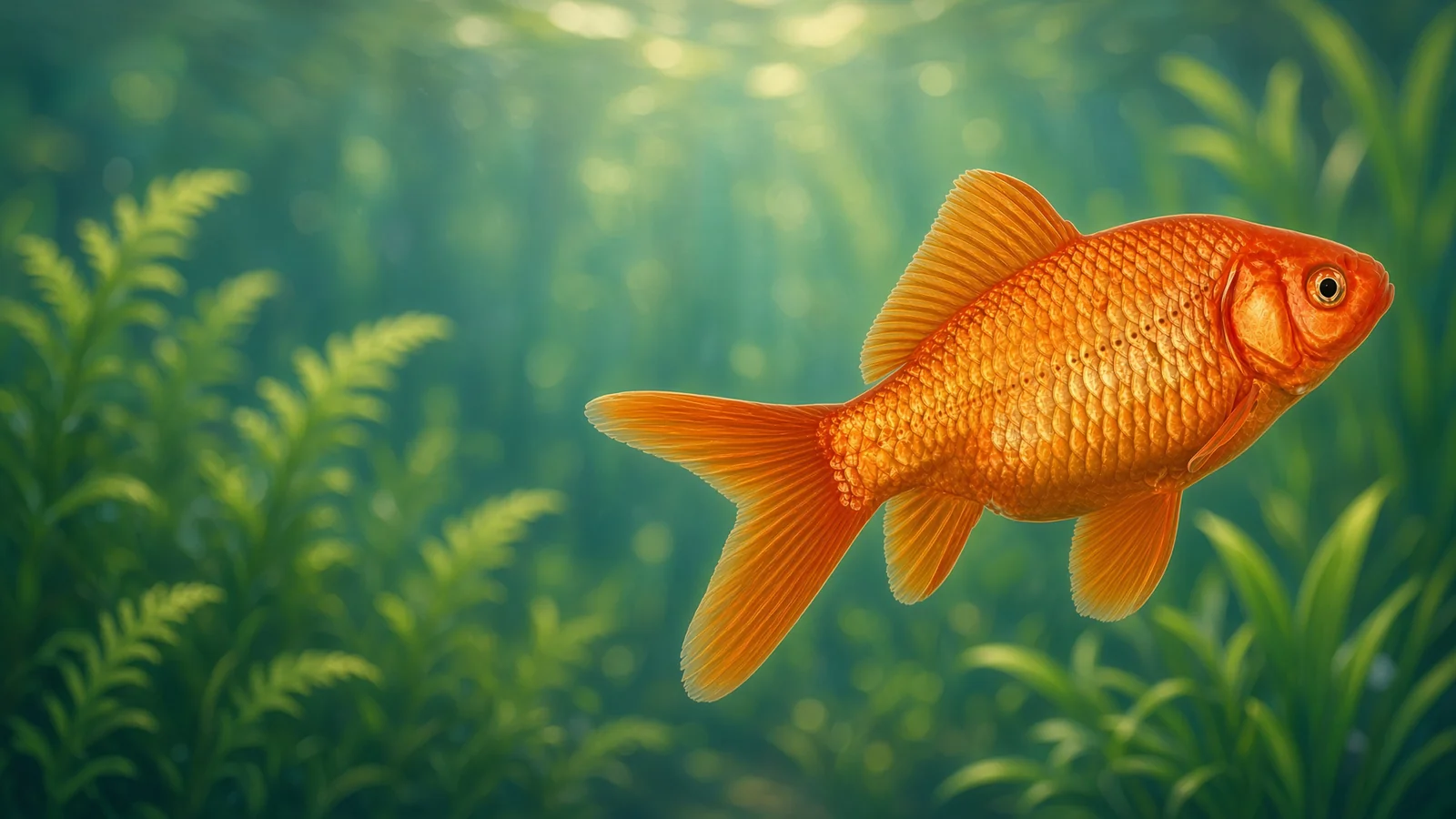
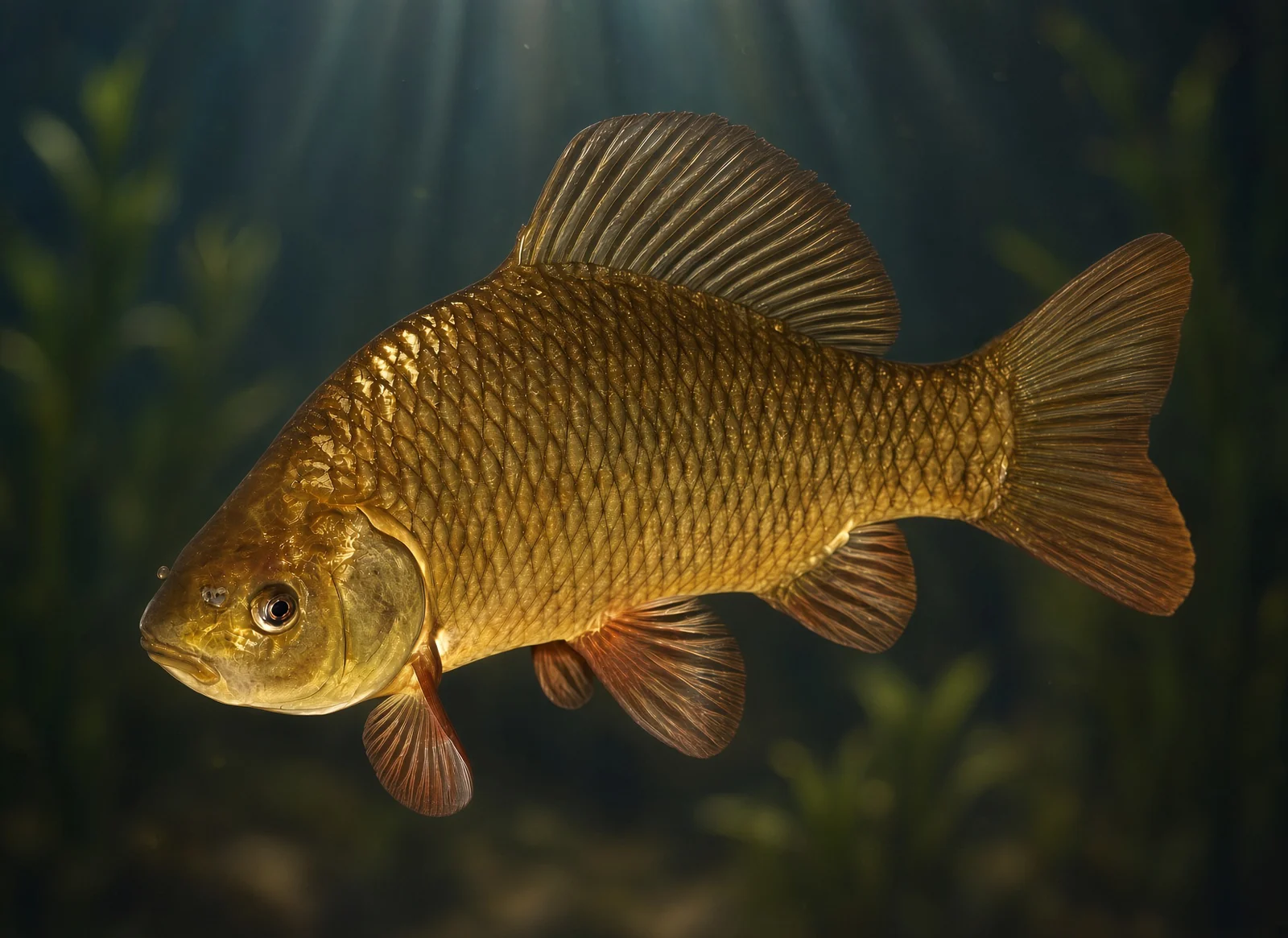
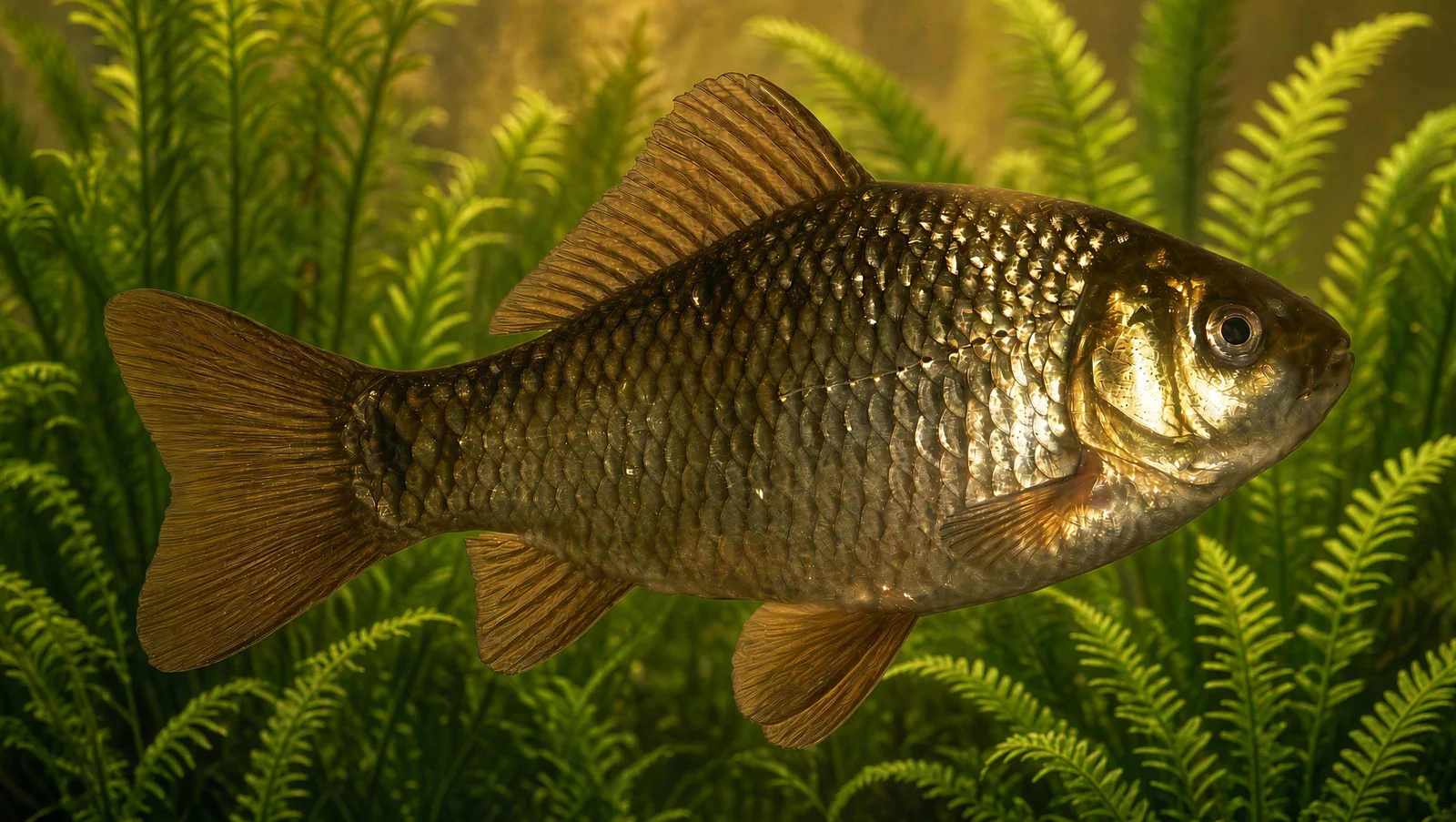
The crucian carp (Carassius carassius) stands out as one of the most resilient freshwater fish available to aquarists. This species can survive conditions that would prove fatal to most ornamental fish. In natural habitats, crucian carp reach lengths of 45–50 cm and weights exceeding 3 kg, though specimens of 500–600 g are more common. In aquarium settings, they typically grow to around 20 cm while maintaining their characteristic golden or bronze coloration with reddish-brown highlights.
The body is short, deep, almost rounded, and slightly compressed laterally, covered with large smooth scales. In my experience, this fish suits beginners well due to its tolerance of varying water conditions and ability to withstand significant parameter fluctuations. With proper care, crucian carp can live 10–15 years in captivity.
Tank Requirements for Crucian Carp Aquarium Setup
A single specimen requires a minimum tank volume of 50 liters, while a pair needs approximately 100 liters. Crucian carp thrive in spacious, low and wide aquariums with robust aeration and filtration systems. These fish can survive in waters with oxygen levels as low as 1–2 mg/L, but maintaining stable oxygenation in the aquarium produces better results.
Optimal water temperature ranges from 18–24°C, with winter temperatures potentially dropping to 10–18°C. The species tolerates temperatures down to 8°C, at which point it enters dormancy and stops feeding, and can withstand heating up to 35–36°C. Water hardness can span 5–25°GH, with pH levels between 6.0–8.0. Crucian carp adapt readily to various water parameters.
Aquarium Decoration and Substrate
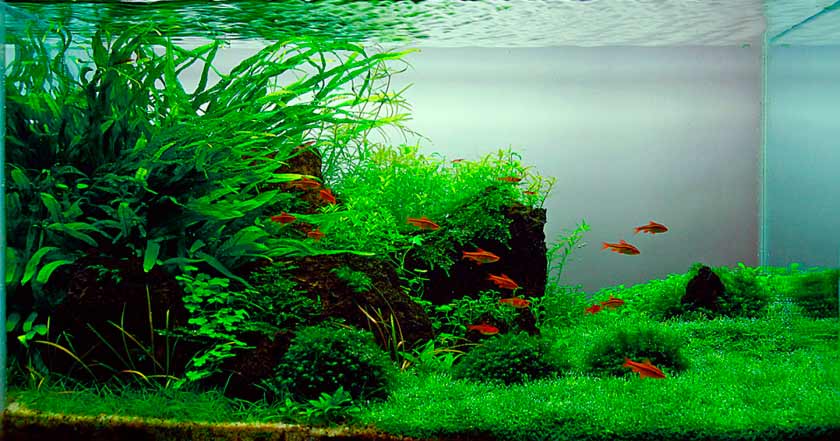
Suitable substrate options include pebbles, coarse sand, or large gravel. Fine substrates create constant cloudiness because these fish dig through the bottom material. Choose plants with tough leaves and strong root systems: Vallisneria, Elodea, or Hornwort work well. Crucian carp may damage or uproot soft-leaved species.
This species can burrow into mud and survive complete freezing of water bodies or drought conditions—a trait that demonstrates exceptional resilience. While rarely observed in aquariums, this ability highlights the fish’s remarkable adaptability.
Feeding and Diet for Crucian Carp
Crucian carp are omnivorous and require a varied diet containing both animal and plant matter. Suitable foods include bloodworms, tubifex, earthworms, daphnia, brine shrimp, and vegetable supplements. Feed adult fish 1–2 times daily in small portions consumed within 3–7 minutes.
Daily food intake should approximate 3% of the fish’s body weight. Crucian carp are prone to overfeeding and obesity, so implementing a fasting day once weekly is advisable. This practice maintains fish health and prevents digestive issues.
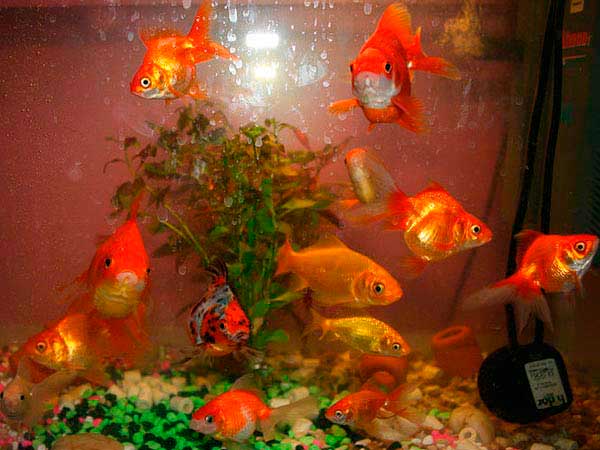
When housing with other species, remember that crucian carp compete vigorously for food. If slower fish share the tank—such as fancy goldfish varieties like orandas or ryukins—monitor feeding to ensure all inhabitants receive adequate nutrition.
Breeding Crucian Carp in Aquarium Conditions
Crucian carp reach sexual maturity in their third or fourth year at body lengths of 13–16 cm and weights of 90–150 g. Spawning begins when water temperature reaches at least 14–17°C. Egg-laying occurs in portions, typically three batches with approximately 10-day intervals. Fecundity ranges from 250,000–350,000 eggs.
For aquarium breeding, use a spawning tank of 40–100 liters with water depth of 15–20 cm. Place 2–3 males per female for spawning. Trigger spawning by raising temperature to 20–26°C, providing bright lighting, and increasing aeration.
Egg and Fry Care
Eggs are adhesive, light yellow, and deposited on aquatic vegetation. Parents often consume their own eggs, so install a protective mesh 1–2 cm above the tank bottom. At temperatures of 20–23°C, incubation lasts 3–5 days.
Starter foods for fry include infusoria, rotifers, or specialized fry foods. Young grow rapidly with regular feeding and good water quality. Transfer fry to larger foods as they develop.
Compatibility with Other Fish Species
Crucian carp can coexist with other peaceful fish in aquariums, though species-only tanks often work best. These active bottom-diggers may stress more delicate species. Avoid housing them with aggressive fish or those requiring pristine water conditions.
Suitable tankmates include other coldwater species with similar requirements. Don’t combine crucian carp with small fish like swordtails or bettas—size differences and temperament mismatches create aquarium imbalances. Fancy goldfish varieties such as ranchu, celestial eye, or bubble eyes also make poor companions due to their slow movements and vulnerability to the crucian’s activity level.
Practical Tips for Crucian Carp Aquarium Maintenance
I recommend beginners focus on several key aspects when keeping crucian carp. First, don’t compromise on tank volume—cramped conditions lead to deteriorating water quality and health problems. Second, install a powerful filter: these fish produce substantial waste and constantly stir substrate.
Regularly test water parameters, especially ammonia and nitrite levels. Perform weekly water changes, replacing 20–30% of volume. Monitor fish behavior: lethargy, feeding refusal, or color changes may signal problems.
When selecting plants, prefer species with robust roots and rigid leaves. Crucian carp quickly damage or uproot soft plants. Consider using potted plants buried in substrate—this protects root systems from excavation.
The crucian carp represents a hardy and engaging species capable of thriving across a wide range of conditions. With appropriate care and sufficient space, these fish become long-lived aquarium residents, rewarding owners with their activity and resilience.