Introduction to the Gold Tetra
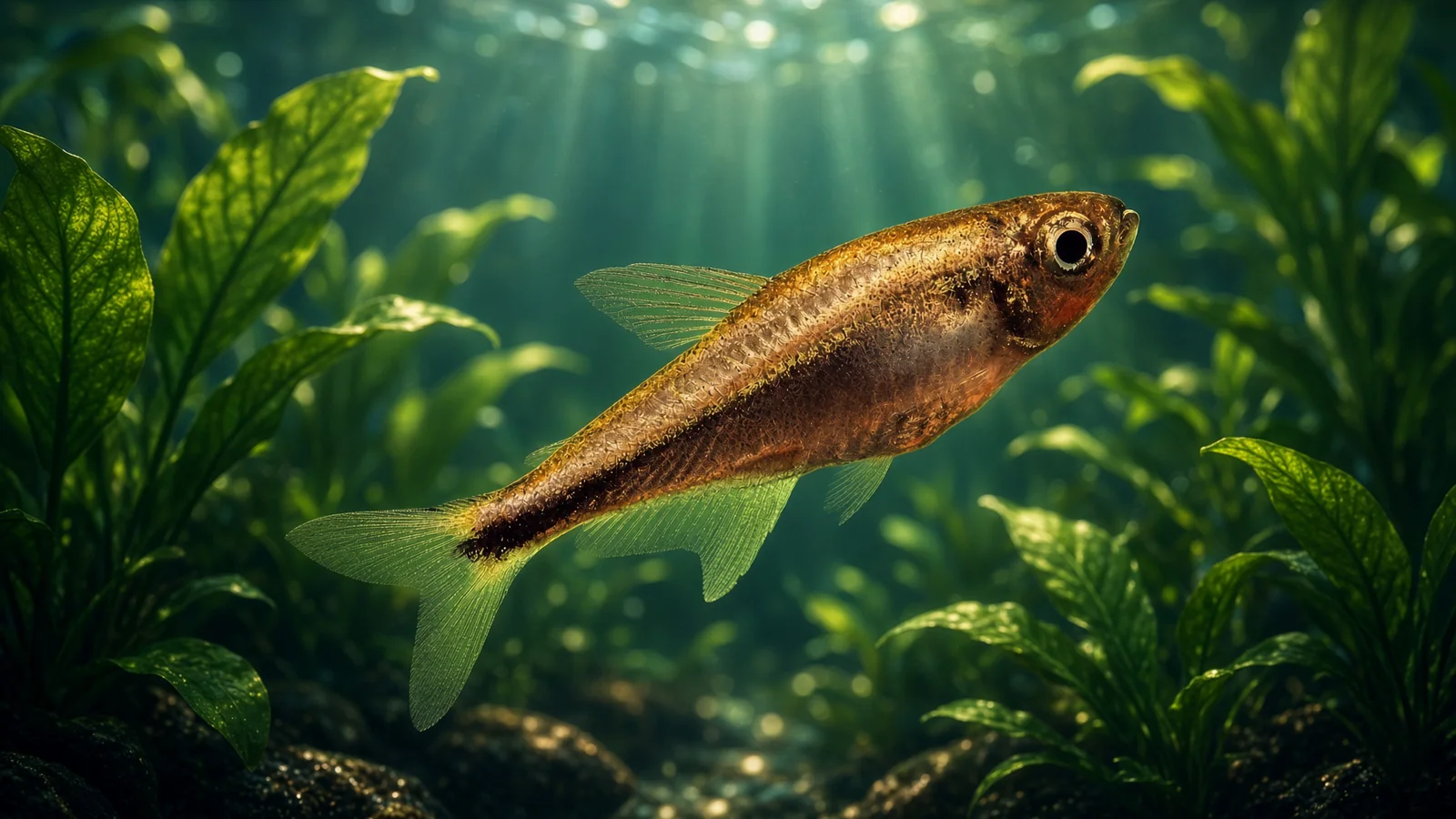
The gold tetra (Hemigrammus rodwayi) is a small characin native to South American rivers. In my experience, this species stands out among its family members due to the unusual origin of its coloration and peaceful temperament. Despite its modest size, this fish can enhance any tropical aquarium when provided with proper care.
Natural Habitat and Appearance
This species inhabits the Amazon basin, including rivers in Guyana, Suriname, French Guiana, Peru, and Brazil. It favors slow-moving waters, tributaries, floodplain lakes, and coastal zones. Occasionally, it ventures into slightly brackish areas of coastal floodplains.
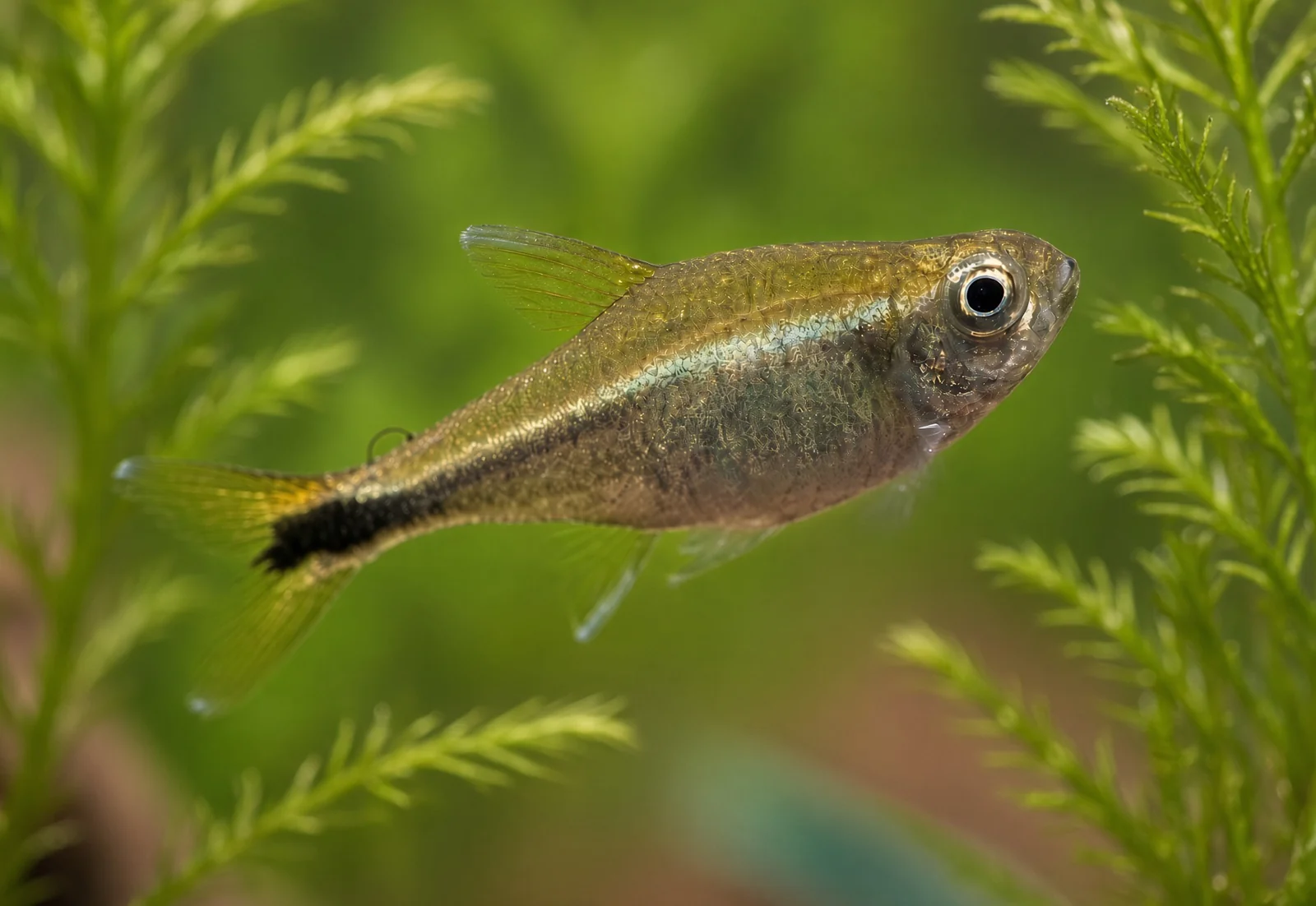
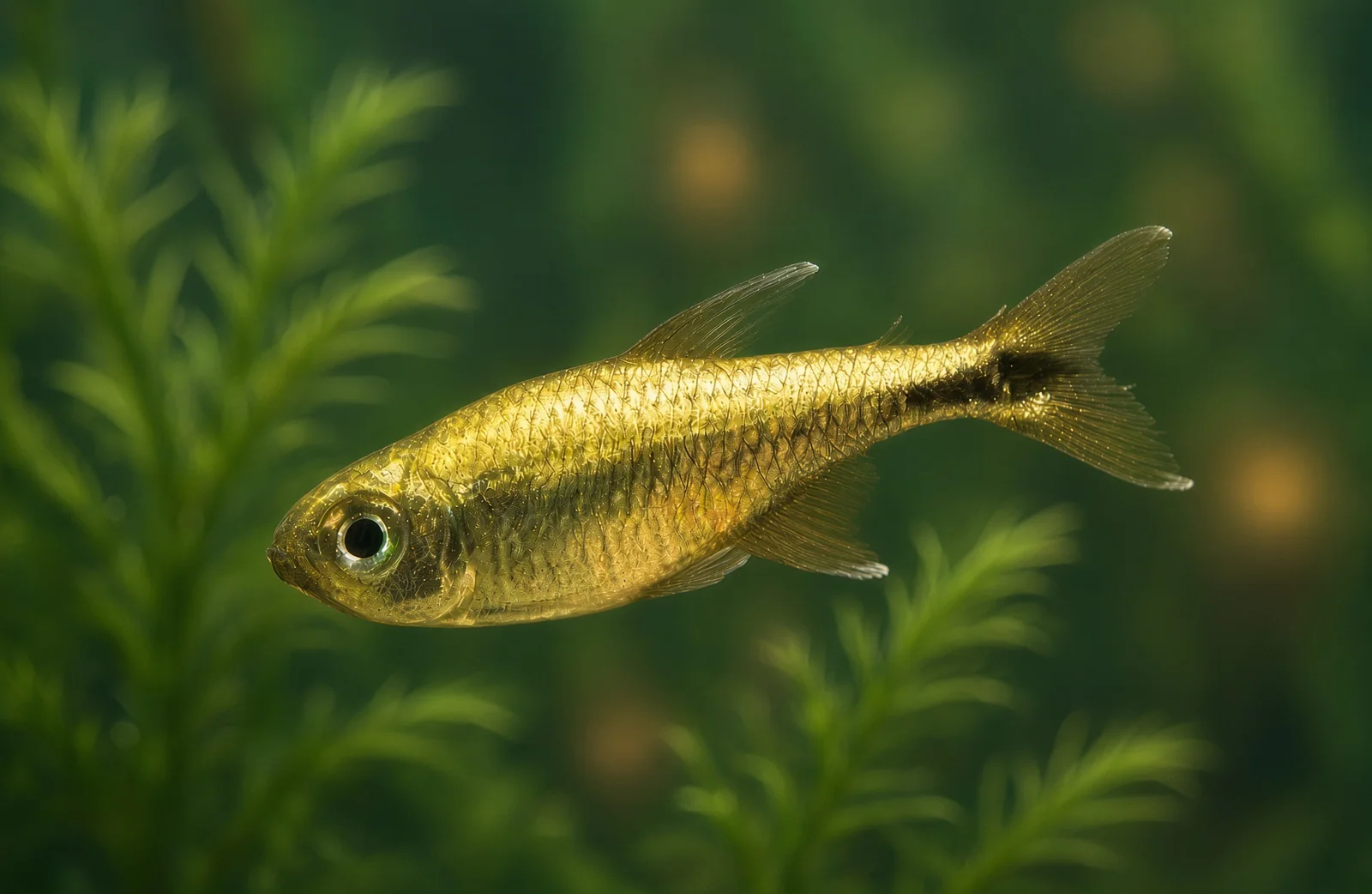
Adult specimens reach 4 to 5.5 cm in length. The body is elongated, narrow, and laterally compressed. A distinctive dark spot at the caudal peduncle serves as an important health indicator—under stress, this marking fades and becomes nearly invisible.
The dorsal and anal fins display a golden hue with white tips and red rays. An interesting fact: the golden sheen of the scales results from guanine, a substance the skin produces in response to trematode infections in the wild. Captive-bred fish typically exhibit silver coloration, as they aren’t exposed to these parasites.
Sexual Dimorphism and Lifespan
Females are larger than males and have a fuller belly, particularly noticeable during spawning periods. Males are slimmer, more brightly colored, and their anal fin features a white leading edge with more red pigmentation.
Lifespan in aquariums ranges from 3 to 5 years with appropriate care. Sexual maturity is reached at 6 to 10 months of age.
Behavior and Tankmate Compatibility
The gold tetra is a schooling fish with a peaceful and friendly disposition. Keep groups of at least 6 individuals, though 10 or more is preferable. In isolation or small groups, these fish become timid and less active.
They coexist well with other small, calm species. Suitable companions include other tetras, Apistogramma species, Corydoras catfish, small loricariids, rasboras, and dwarf cichlids. For comparison, if you’re keeping swordtails or betta fish, remember that the gold tetra is more skittish and won’t compete successfully with larger or aggressive neighbors.
This species is sensitive to loud noises and sudden movements outside the tank, so position the aquarium in a quiet location.
Gold Tetra Tank Requirements
A small group requires a tank of 70 to 80 liters minimum. Optimal water temperature ranges from 24 to 28 degrees Celsius. These fish prefer soft, acidic water with pH between 5.5 and 7.5 and hardness from 1 to 15 dGH.
Quality filtration is essential, ideally with peat addition to create the blackwater effect characteristic of their natural biotopes. Aeration is necessary, along with weekly water changes of one-fifth to one-quarter of the volume. These fish are sensitive to water quality—sudden parameter shifts cause stress and illness.
For aquascaping, use river sand, driftwood, roots, and dried leaves. Plants aren’t mandatory but create a comfortable environment and improve aesthetics. Lighting should be subdued; floating plants can help diffuse light.
The gold tetra prefers swimming in the middle and lower water layers, which should influence your choice of tankmates and space planning.
Feeding and Diet
This omnivorous species accepts dry, live, and frozen foods. In nature, it feeds on aquatic invertebrates, insect larvae, worms, and organic debris.
For optimal condition and coloration, provide varied nutrition including live and frozen foods—bloodworms, daphnia, and brine shrimp. Feed small portions 2–3 times daily to prevent overfeeding. Food should be fine-grained, as these fish have small mouths.
Strictly control food quantities, since these fish are prone to overeating, which negatively affects their health.
Breeding Gold Tetras
Spawning is typically communal, involving at least 5–6 pairs, though pair breeding is possible. Breeding requires a separate spawning tank of approximately 40 liters.
Spawning water parameters: temperature 26–29 degrees, pH 5.5–6.5, hardness 1–5 dGH. Place fine-leaved plants, Java moss, or spawning mops in the breeding tank for egg deposition. A mesh on the bottom through which eggs fall but adults cannot reach works well.
Parents don’t care for offspring and may consume eggs and fry, so remove them after spawning. Eggs incubate for approximately 24–36 hours. Fry become free-swimming 3–4 days after hatching.
Eggs and fry are extremely light-sensitive in early stages, so darken the aquarium. For the first 3–4 days, fry feed on yolk sac contents. Starter food includes infusoria, then transition to microworms and brine shrimp nauplii.
Fry grow slowly and often don’t develop the golden coloration of wild specimens in captivity, remaining silver instead.
Health and Disease Prevention
The gold tetra is susceptible to fungal infections, especially wild-caught specimens. It’s prone to skin diseases, so avoid injuries from substrate and decorations. Poor water quality inevitably triggers disease outbreaks.
The black spot at the caudal peduncle serves as a stress indicator—in poor conditions, it fades and becomes invisible. If you notice such changes, check water parameters and eliminate stress sources.
Regular water changes, quality filtration, and balanced nutrition form the foundation of disease prevention.
Conclusion
I recommend the gold tetra for beginning aquarists prepared to maintain stable water parameters and provide schooling conditions. With proper care, this fish rewards owners with its activity and the fascinating story behind its coloration, though the silver form is more common in captivity. The key is remembering its sensitivity to water quality and need for conspecific company.