Introduction
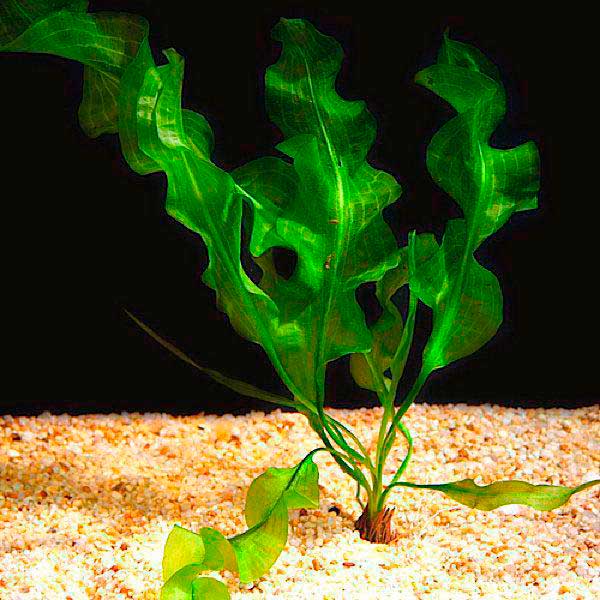
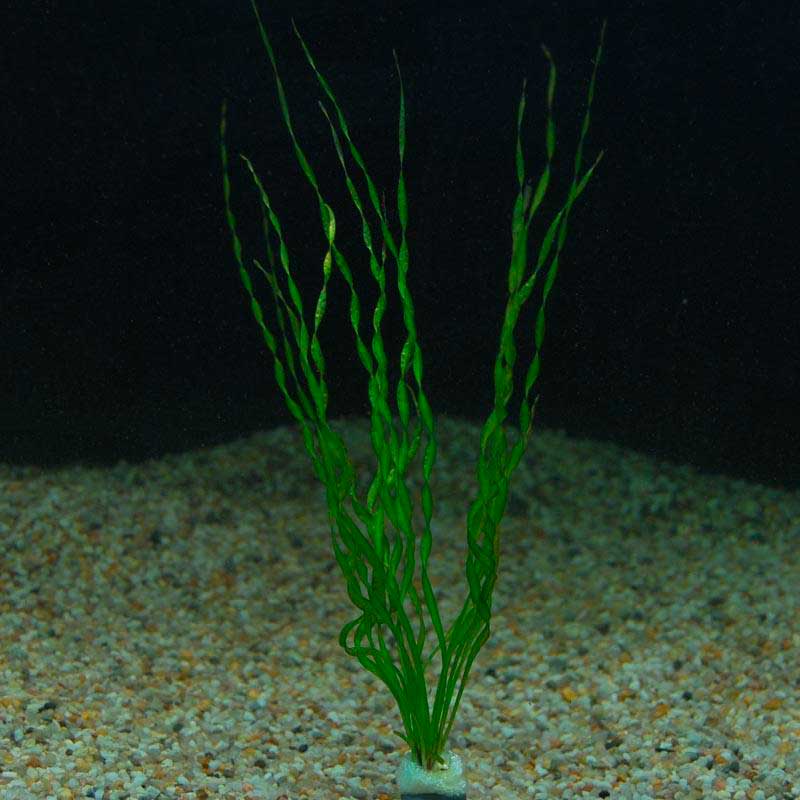
Echinodorus Vesuvius entered the aquarium hobby in 2007 and remains a rare gem in underwater gardens. Its decorative qualities make it highly desirable for aquascaping enthusiasts, while its straightforward care requirements allow me to recommend it even to beginners. The emerald-green narrow leaves spiral tightly like smoke rising from a volcanic vent, which inspired the plant’s evocative name.
| Parameter | Value |
|---|---|
| Scientific Name | Echinodorus Vesuvius |
| Family | Alismataceae |
| Origin | Cultivated variety (Singapore) |
| Height | 7-15 cm (3-6 inches) |
| Temperature | 22-28°C (72-82°F) |
| Water Hardness | 8-12°dH |
| pH | 6.5-7.5 |
| Lighting | Bright (0.5-0.7 W/L) |
| Growth Rate | Moderate |
| Care Difficulty | Easy |
Origin and Description
This plant doesn’t exist in nature. Echinodorus Vesuvius is a mutant form developed at Oriental Aquarium Plants nursery in Singapore. It represents a mutation of narrow-leaf sword plant (Echinodorus angustifolius).
In my experience, this compact species forms a rosette of narrow leaves twisted into tight corkscrews. The plant typically reaches 7 to 15 centimeters in height. Under favorable conditions, it may produce small white flowers on long stalks.
Care Requirements
Caring for Echinodorus Vesuvius is straightforward, though neglecting basic requirements may cause the leaf spirals to unwind. Sometimes leaves straighten even with proper care—this happens when the mutation wasn’t sufficiently stabilized through repeated seed propagation by the producer. In such cases, the mutant form phenotypically reverts to its ancestor, the narrow-leaf sword plant.
Tank Size

Echinodorus Vesuvius suits aquariums of various volumes. In larger tanks, use it as a midground or foreground plant. It looks striking as a solitary specimen or forming curly clusters. In smaller aquariums, plant it along side and back glass to create a delicate emerald backdrop.
Substrate and Planting
Any standard aquarium substrate works well—gray river sand, small gravel, or granite chips. The substrate should be well-established with organic matter. When planting in fresh substrate, I recommend placing a small ball of clay mixed with powdered charcoal or boiled peat at the bottom of the planting hole.
Trim the roots back by a couple of centimeters with scissors before planting—this procedure promotes faster establishment.
Water Parameters

Echinodorus Vesuvius prefers warm water. Optimal temperature ranges from 22 to 28°C (72-82°F). Water hardness should stay between 8-12°dH, meaning regular dechlorinated tap water typically works fine. Preferred pH is 6.5-7.5.
Lighting
Echinodorus Vesuvius thrives under bright lighting and can serve as an indicator of insufficient light. If leaves elongate and begin straightening, increase aquarium illumination. Total fluorescent lighting power should ideally range from 0.5 to 0.7 watts per liter.
Since this species is light-demanding, don’t position it in the shade of other plants or beneath floating vegetation. Unlike shade-tolerant species such as Cryptocoryne wendtii, Vesuvius requires direct bright light.
Aeration and Filtration
Aeration and filtration aren’t critical for this species—set their parameters according to the needs of other tank inhabitants.

Nutrition
Supplemental fertilization isn’t necessary. Nutrients from fish feeding and weekly 20% water changes provide adequate nutrition. Unlike demanding species, Vesuvius remains undemanding regarding additional feeding.
Propagation
The plant propagates through root runners. Under favorable conditions, it quickly forms lush clusters. Periodically thinning these clusters provides valuable planting material. Share it with fellow aquarists—this plant remains rare in many regions.
Compatibility with Other Plants
Echinodorus Vesuvius combines well with most aquarium plants. The main consideration is avoiding overshadowing by tall species. It looks excellent in compositions with background plants or mid-level vegetation that doesn’t block its light.
Aquascaping Applications
Echinodorus Vesuvius is exceptionally decorative. Its corkscrew-twisted narrow leaves create an unusual focal point in any aquarium. Properly positioned specimens can visually add depth and dimension to compositions. The plant creates interesting textural contrast and draws attention with its distinctive form.

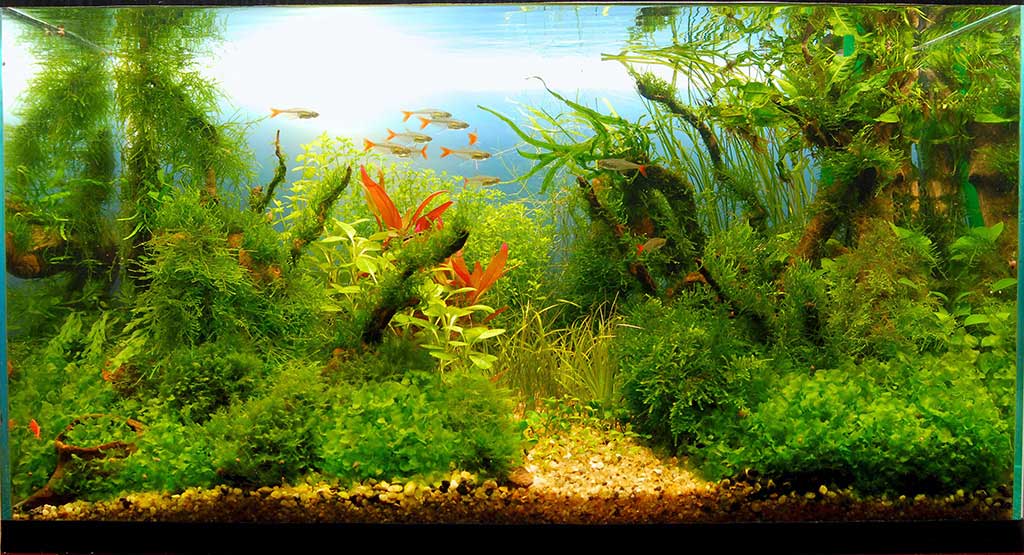
In my experience, Vesuvius proves particularly effective in Dutch-style aquariums and nature-inspired layouts, where its spiral leaves add dynamism and movement to underwater landscapes. The unique texture works beautifully whether you’re creating a planted showcase for discus and aquarium plants or designing a community tank.
Article updated: 2026-11-04