Selecting and Conditioning Breeding Pairs
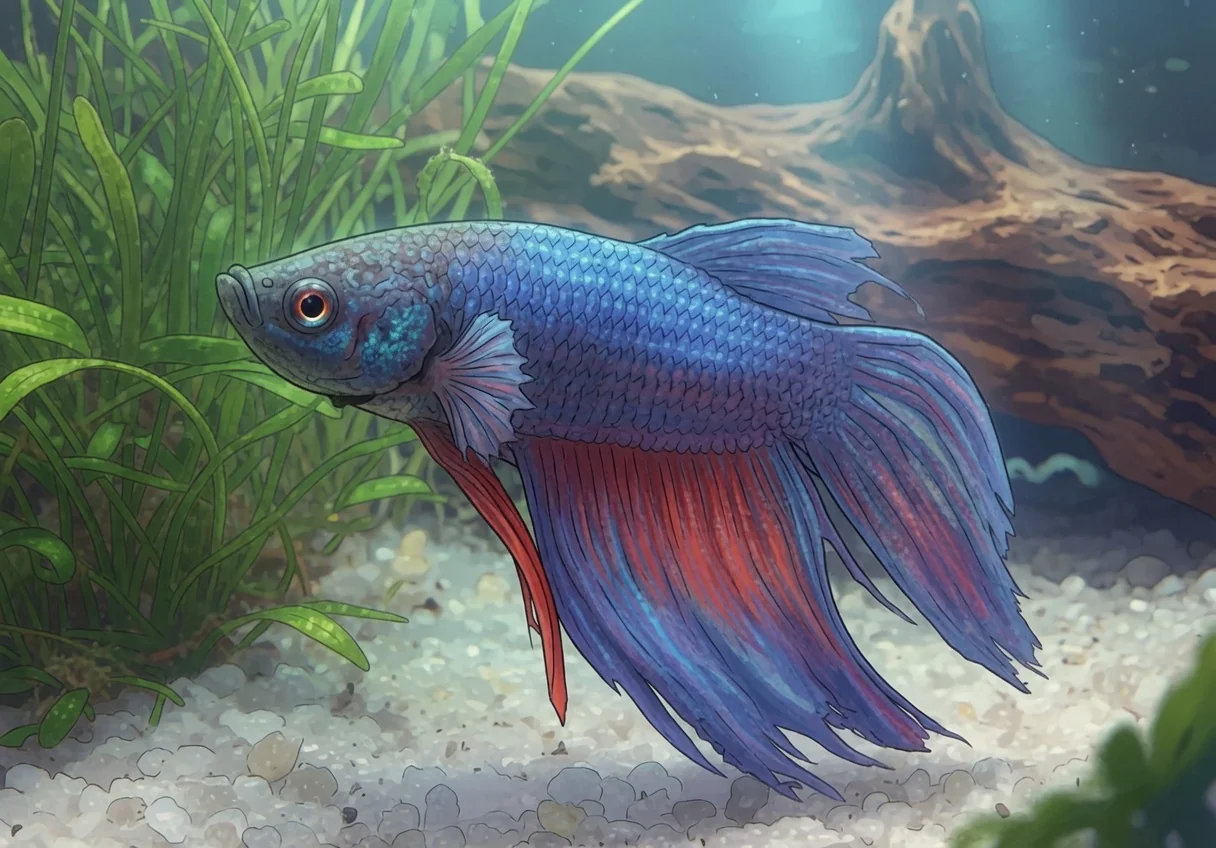
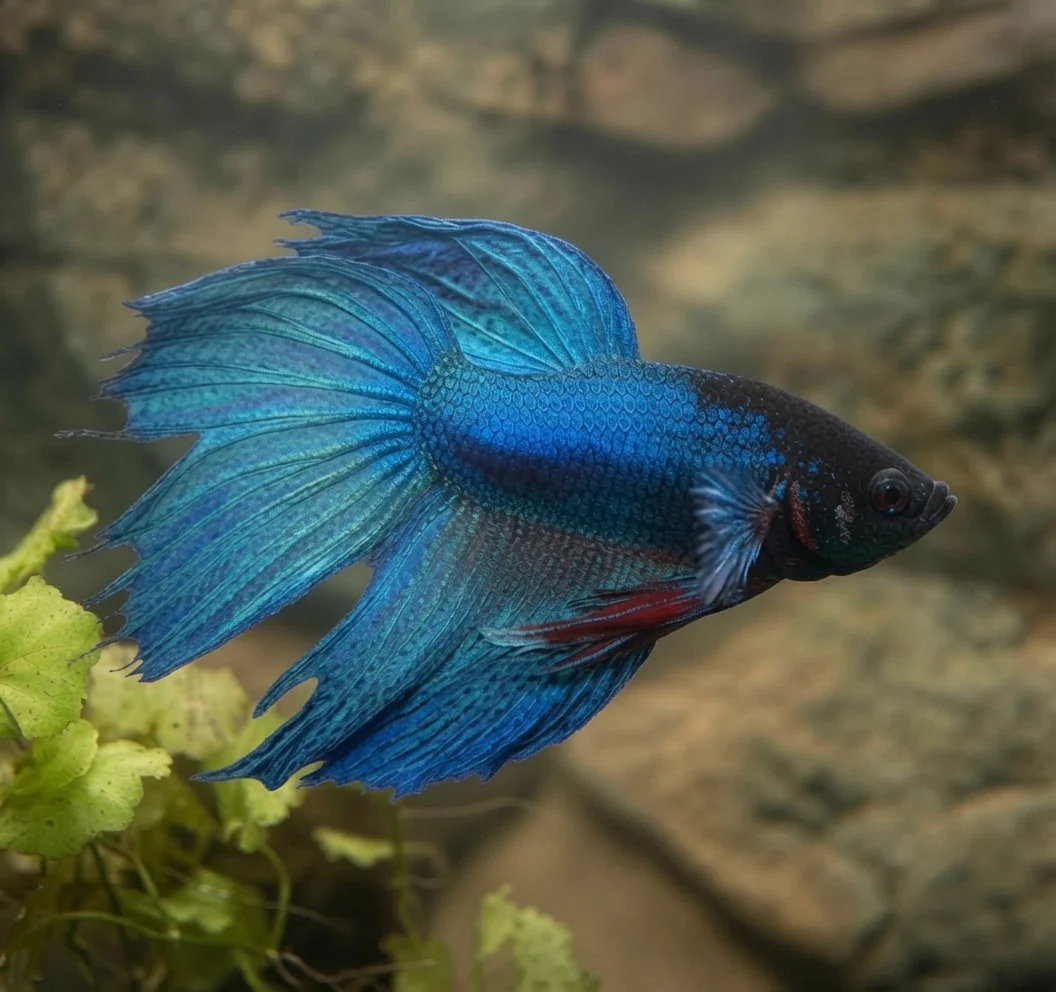
Successful betta fish breeding starts with choosing healthy, mature specimens. While bettas reach sexual maturity around 3-4 months, the ideal breeding age is 6-8 months when fish are young but fully developed. Males younger than three and a half months shouldn’t be used, as their reproductive organs haven’t completely formed yet.
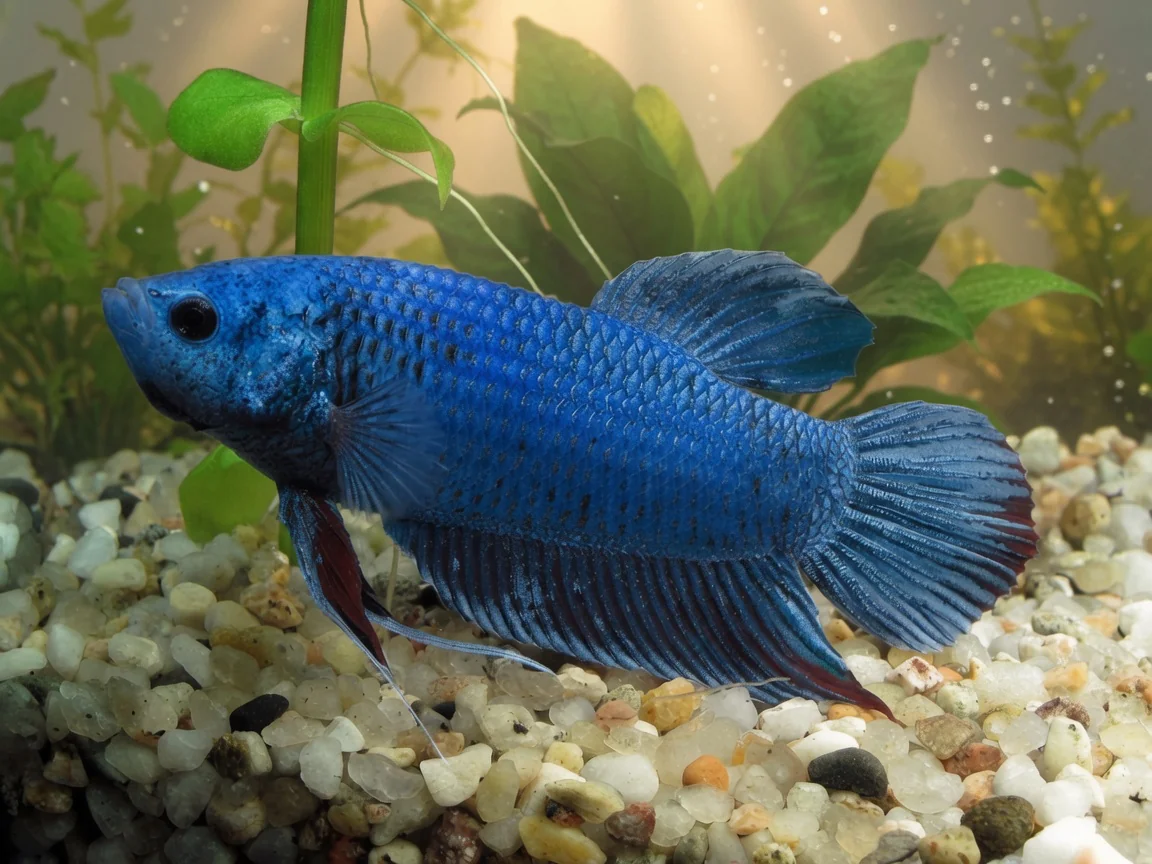
Conditioning is crucial before spawning. Feed both parents high-quality live foods, particularly bloodworms, for one to two weeks before breeding. A well-fed female will develop a noticeably rounded belly and display vertical stripes on her body, indicating she’s carrying eggs and ready to spawn.
Setting Up the Breeding Tank
A dedicated spawning tank of 10-20 liters works best for betta fish breeding. Keep water levels shallow at 10-15 cm, which makes it easier for the male to build his bubble nest and care for eggs. Raise the temperature to 27-30°C to encourage spawning behavior.
Skip the substrate entirely in breeding tanks — bare bottoms allow males to easily retrieve any fallen eggs. Include hiding spots for the female, such as a ceramic cave or dense plant cluster, where she can escape if the male becomes overly aggressive. Floating plants like water sprite or Indian fern provide anchoring points for the bubble nest.
Aeration destroys bubble nests, so don’t use air pumps during spawning. Keep lighting dim to reduce stress during this delicate process.
The Spawning Process
Introduce the male to the breeding tank first, giving him several hours or a full day to settle before adding the female. He’ll begin constructing a bubble nest from air bubbles bound together with saliva. This architectural project can take anywhere from a few hours to a full day.
Spawning typically occurs 1-2 days after introducing the pair, though occasionally you’ll wait up to a week. If nothing happens after several days, try swapping out one of the fish. In my experience, monitoring behavior is essential — some males show excessive aggression toward females, potentially injuring or killing them. Separate such pairs immediately.
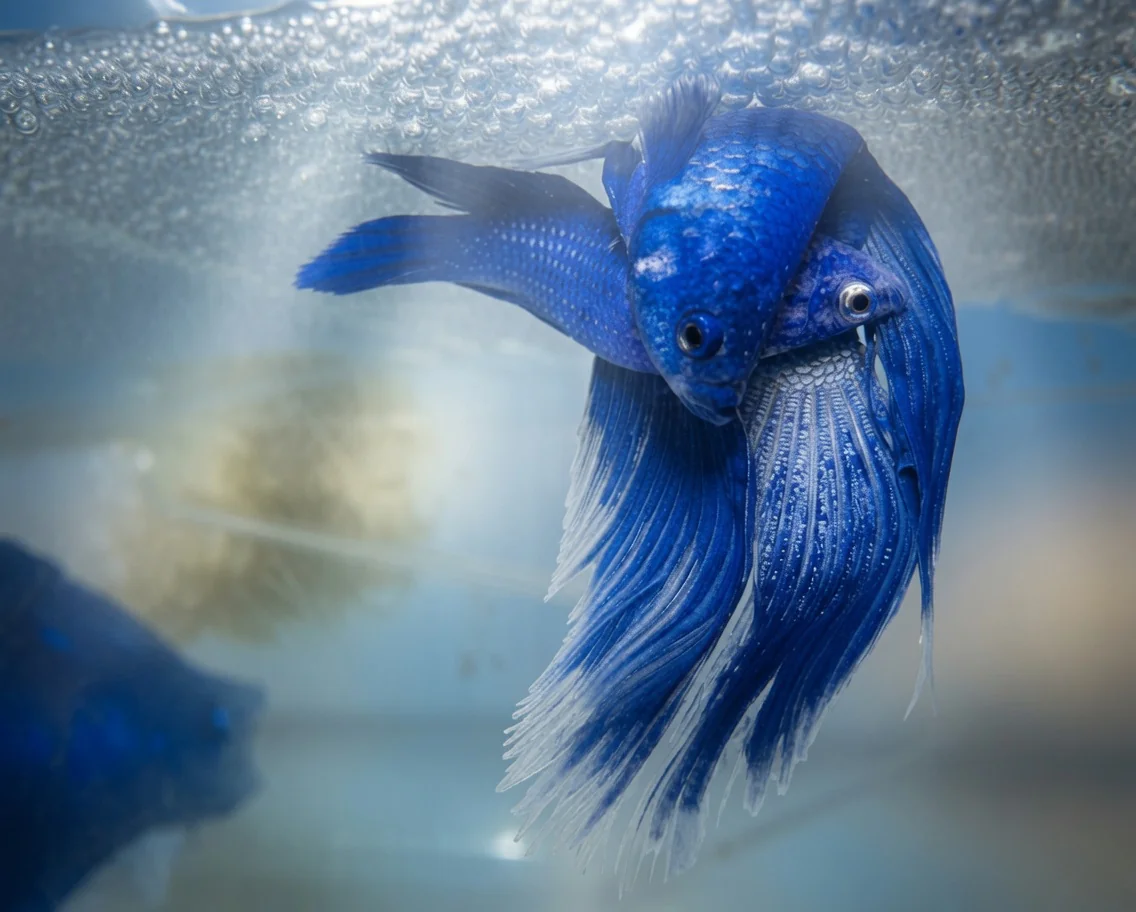
During spawning, the male wraps around the female in an embrace, helping her release eggs. He catches the eggs in his mouth and carefully places each one into the bubble nest. A single spawn produces 100-400 eggs. Remove the female immediately after spawning ends, as the male now views her as a threat to his offspring.
Caring for Eggs and Newly Hatched Fry
Male betta fish are devoted fathers. The male tends his nest meticulously, removing dead whitened eggs, refreshing bubbles, and retrieving any eggs that fall out. Don’t feed him during this period — he won’t eat anyway while focused on parental duties.
Larvae hatch within 36-60 hours depending on water temperature. Initially, they hang vertically in the nest or on plants, absorbing their yolk sacs. After 2-3 days, the yolk sac is absorbed and fry begin swimming horizontally, actively searching for food.
Once fry are free-swimming, remove the male. After his removal, add gentle aeration — fry haven’t developed their labyrinth organ yet and need dissolved oxygen in the water.
Raising Betta Fry Successfully
Start feeding infusoria as the first food. After 3-4 days, fry grow large enough to accept newly hatched brine shrimp nauplii, which provide excellent nutrition for rapid growth. By two weeks, offer finely chopped bloodworms, transitioning to this as the staple diet by 21-30 days.
Feed fry 4-6 times daily in small portions. Regular water changes and siphoning the bottom to remove uneaten food and waste are essential for healthy development.
Sort fry by size regularly — larger individuals will cannibalize smaller siblings. Around three months, bettas develop their adult coloration and males begin building practice bubble nests. When young males start fighting, separate them into individual containers. By 4-5 months, young bettas are ready for breeding.
Troubleshooting and Best Practices
Prolonged absence of spawning harms females — unspawned eggs can form cysts, leading to infertility or death. Males also benefit from periodic spawning to release reproductive products and maintain health, as explained in guides about cockerel fish care.
If the female isn’t ready, don’t rush. Continue conditioning with quality foods for several more days. A small water change in the breeding tank sometimes triggers spawning by mimicking natural rainy season conditions.
I recommend keeping detailed breeding records: dates when pairs were introduced, when nest building started, spawning date, and fry survival numbers. This helps you understand your specific line’s characteristics and avoid repeating mistakes.
Raising large spawns requires multiple grow-out tanks of different sizes. Transfer growing juveniles to progressively larger containers as they develop, ensuring adequate space for proper growth.
Health Considerations During Breeding
Stress and aggression during breeding can lead to injuries. Watch for torn fins, missing scales, or behavioral changes that might indicate health issues. Familiarize yourself with common betta fish diseases before breeding, as stressed fish are more susceptible to infections.
Maintain pristine water quality throughout the breeding process. Poor conditions during fry development can cause deformities or weakened immune systems that persist into adulthood.
Conclusion
Betta fish breeding at home rewards patience and attention to detail. Success depends on selecting quality breeding stock, proper conditioning, correctly equipped spawning tanks, and meticulous fry care. When conditions align, you’ll witness the fascinating parental behavior of male bettas guarding their bubble nests and experience the satisfaction of raising healthy young fish from eggs to adults.