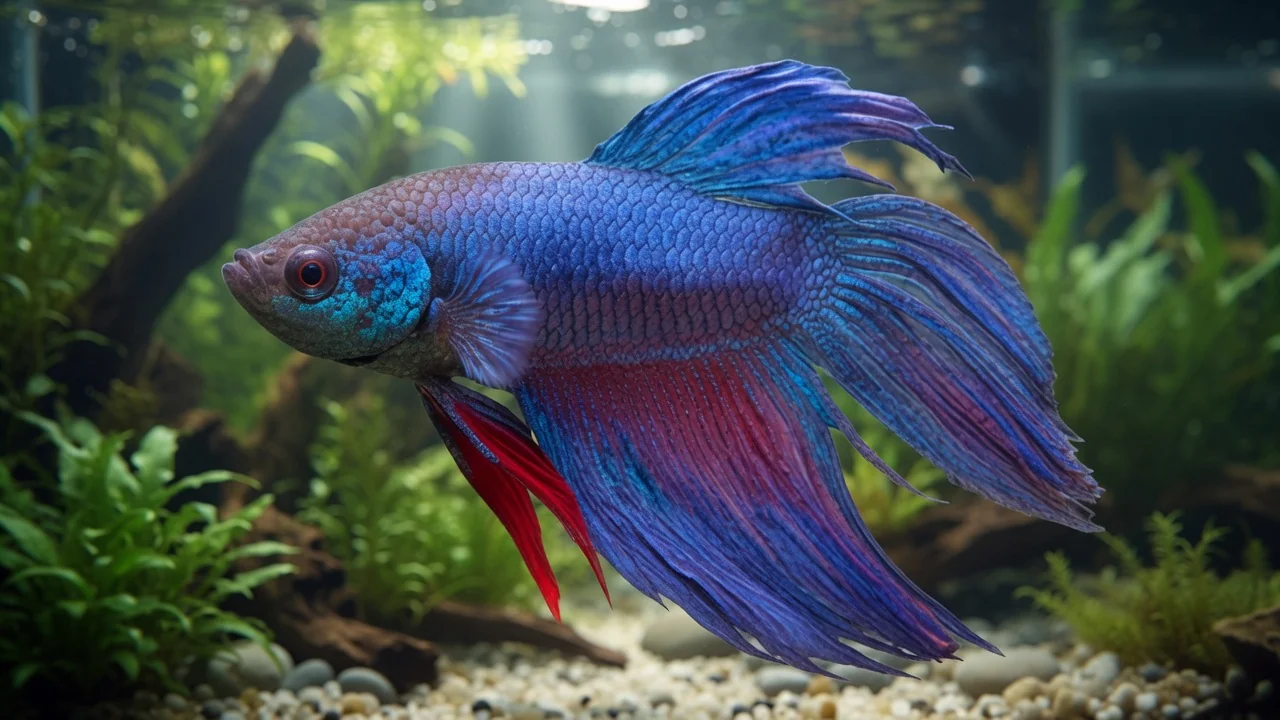
Why Bettas Get Sick More Often
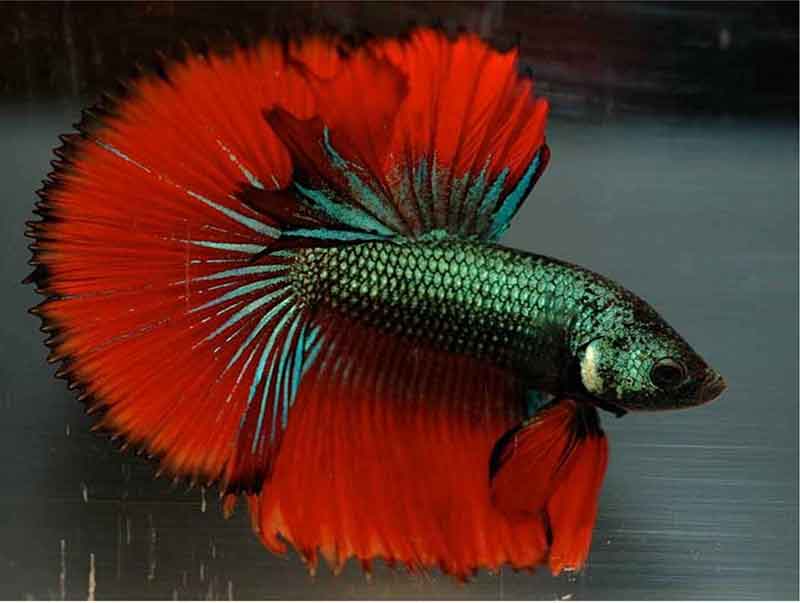
Betta fish (Betta splendens) rank among the most popular aquarium species, but their stunning appearance comes with trade-offs. Selectively bred varieties with elaborate fins have weaker immune systems compared to their wild counterparts. These ornamental finnage makes them particularly vulnerable to infections and physical damage, requiring careful attention to water quality and tank maintenance.
In my experience, most betta fish diseases stem from basic husbandry mistakes rather than exotic pathogens. Poor water quality, temperature swings, overcrowding stress, or improper feeding routines trigger the majority of health issues. Understanding common ailments helps you catch problems early and give your fish the best chance of recovery.
Fin Rot: The Primary Threat to Ornamental Fins
Fin rot stands as the most frequent disease affecting bettas. Bacterial strains from the Aeromonas, Pseudomonas, and Flavobacterium genera cause this condition, thriving in dirty water with elevated nitrite and ammonia levels. The infection breaks down fin tissue—both the rays and the membrane between them—causing discoloration, opacity, and progressive deterioration from the edges inward.
This disease typically strikes weakened fish after stress or environmental changes. Young bettas prove especially susceptible, with fin rot sometimes causing widespread mortality in fry populations. Pathogens enter tanks through untreated tap water, unwashed substrate, new plants, live foods, or fish that haven’t been properly quarantined.
Symptoms develop gradually:
- Fins lose their vibrant color and shine
- Whitish or grayish patches appear along edges
- Tissue begins disintegrating, fins shorten noticeably
- Fish refuses food and becomes lethargic
- Advanced cases show destruction reaching the fin base
Early-stage fin rot often responds to improved conditions without medication. Replace 30-50% of the water, thoroughly clean the tank, and verify parameters (ammonia and nitrites should read zero). When destruction has progressed significantly, antibacterial treatments become necessary—the specific medication depends on severity.
Will Damaged Fins Grow Back on Bettas
The encouraging news: fish fins can regenerate after damage. Recovery speed and quality depend on several factors—extent of destruction, fish age, and tank conditions. Younger specimens with simpler fin branching patterns restore finnage considerably faster than mature adults.
When fins sustain injury from fighting and rays aren’t destroyed to the base, bettas typically achieve quick and nearly complete recovery. However, disease-related damage carries a less predictable prognosis. Regrown fins may develop asymmetrically, show reduced color intensity, or display irregular shapes. The process takes over a month and demands optimal conditions: pristine water, stable temperature between 26-28°C, and quality nutrition.
To support regeneration, eliminate the underlying cause of damage and maintain impeccable water quality through regular changes.
Ich (White Spot Disease): Recognizing the Parasite
Ich results from the single-celled protozoan Ichthyophthirius multifiliis and presents with distinctive symptoms. Small white granules resembling grains of salt appear on skin, fins, and gills—hence the common name “white spot disease.” Without treatment, this rapidly progressing infection often causes mass die-offs within 5-14 days.
Initial infection signs include:
- Fish acts restless, rubbing against substrate and decorations
- White spots emerge after 1-2 days
- Breathing accelerates, fish hangs near surface
- Appetite disappears, betta becomes unresponsive
- Secondary bacterial infections frequently develop
Parasites embedded under the fish’s mucus layer remain protected from medications. Treatments only kill free-swimming “tomites”—larvae that leave the host searching for new victims. Effective treatment therefore requires time and patience.
An important consideration: tropical ich strains exist where raising temperature (the traditional treatment approach) actually accelerates parasite reproduction. This disease commonly enters tanks with new fish and manifests when stress or parameter changes weaken immunity. For more details on keeping these fish healthy, see our guide on Betta splendens and their diseases.
Dropsy: A Dangerous Condition with Poor Odds
Dropsy represents one of the most serious and poorly understood betta fish diseases. Labyrinth fish show particular susceptibility due to their sensitive physiology and frequent stress factors. Fluid accumulates in the body cavity, producing characteristic external changes.
Key dropsy symptoms:
- Noticeably swollen abdomen
- Raised scales (pinecone appearance)
- Reddening of belly or fin bases
- Ulcers or hemorrhages on body
- Long, white fecal casts
- Pop-eye, pale gills
- Lethargy, rapid breathing, appetite loss
Dropsy can strike even in well-maintained tanks, affecting individual fish weakened by various factors. Interesting fact: feeding dry food without pre-soaking allows it to expand inside the fish, potentially impeding intestinal function and contributing to disease development.
Successful treatment exists only during early stages, using antibacterial medications or antibiotics at 26-28°C. Once scales begin protruding, survival chances drop dramatically. Isolate sick fish immediately in a quarantine tank to prevent potential spread to tankmates.
Other Common Health Issues
Beyond major diseases, bettas face velvet disease (oodiniasis)—a parasitic infection caused by flagellate protozoans. This condition produces a golden, dust-like coating on the body and requires specific treatment protocols.
Distinguishing between infectious diseases and water quality problems proves crucial. When symptoms appear suddenly across most fish simultaneously, suspect water issues (ammonia poisoning, nitrite toxicity, sharp pH shifts). When fish sicken gradually, one after another, infection is likely.
Fin rot must be differentiated from alkaline disease, where highly alkaline water causes fin shortening without visible damage or bacterial decay. Physical damage from fighting also occurs—bettas display aggression toward conspecifics, as discussed in our article about cockerel fish or fighting fish.
Prevention: Better Than Any Cure
Most betta fish diseases can be prevented through proper husbandry. Essential prevention guidelines:
Water quality remains the primary health factor. Change 20-30% weekly, monitor parameters (ammonia and nitrites at 0, nitrates under 20 mg/L, pH 6.5-7.5). Use effective filtration and avoid overfeeding.
Quarantine new additions—isolate any new fish, plants, or wild-collected decorations for minimum 2-3 weeks. This prevents introducing pathogens to your main tank.
Maintain stability—avoid sudden temperature or parameter fluctuations. Bettas prefer warmth, with optimal temperatures of 24-28°C. Learn more about proper betta care in our comprehensive betta fish guide.
Balanced nutrition—varied diet strengthens immunity. Alternate quality dry foods with frozen or live options (bloodworms, daphnia). Pre-soak dry pellets before feeding.
Minimize stress—never house multiple males together or add fish with flowing fins that might be mistaken for rivals. Provide hiding spots and adequate tank volume (minimum 15-20 liters per betta).
Careful observation of fish behavior helps catch problems at early stages. Sick fish require immediate isolation and thorough examination under good lighting—this enables accurate diagnosis and appropriate treatment.
I recommend beginners start by thoroughly studying species requirements and gradually building experience. This approach prevents most problems and disappointments, allowing these beautiful fish to display their vibrant colors and active personalities for years to come.