Афиосемион Бьюфорта в аквариуме

Aphyosemion Buforta

Natural Habitat and Distribution

Aphyosemion batesii, commonly known as Bates’ killifish, belongs to the family Nothobranchiidae and was first described by Boulenger in 1911 as Fundulus batesii. The type locality includes the Bitye River (Dja River basin) and Bumba River in the Congo River basin, southern Cameroon. The species is also found in the Kole River near Malassa, east of Mekambo, in Gabon.

Читать далее...

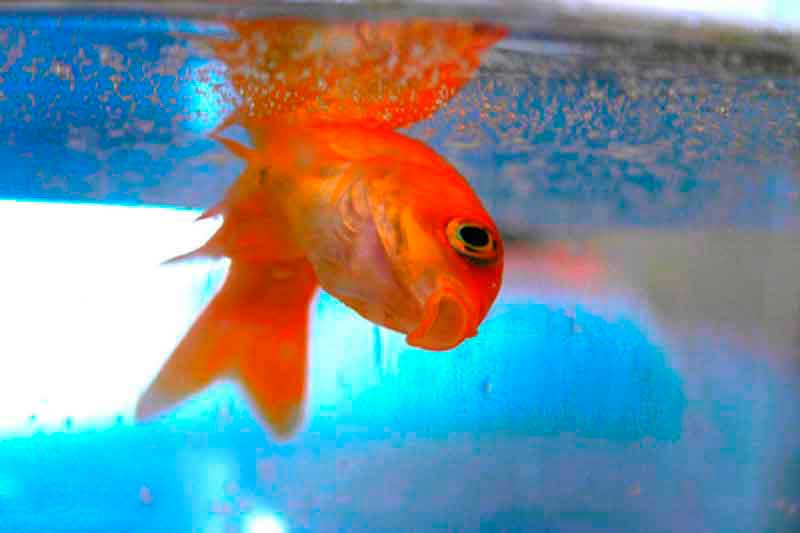
Orange goldfish swimming in aquarium

Goldfish Varieties: A Complete Guide to Types and Care

Origins of Goldfish

Goldfish are perhaps the most recognizable inhabitants of home aquariums and ponds worldwide. Over centuries of selective breeding, dozens of distinct varieties have emerged, each with numerous color variations. This diversity allows aquarists to choose goldfish that perfectly match their aesthetic preferences.

Читать далее...

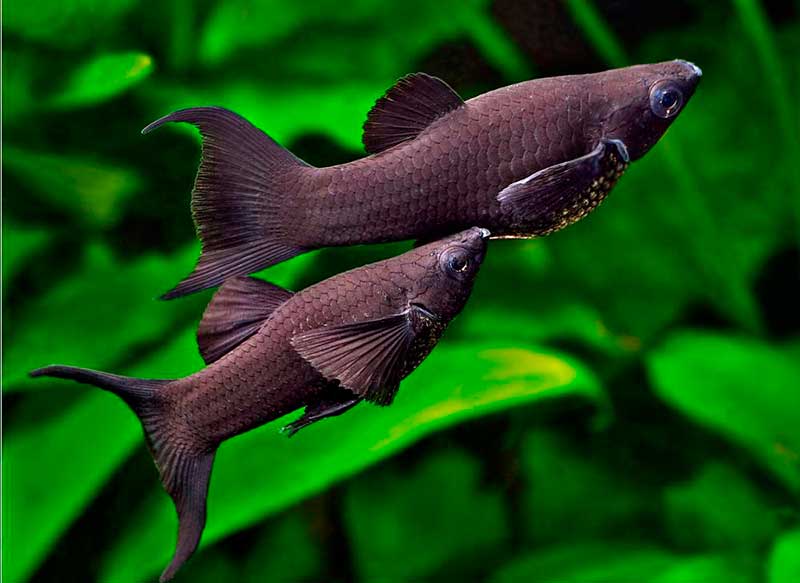
mechenosec fam & male

Swordtail Care and Keeping Guide

The swordtail (Xiphophorus hellerii) is a popular aquarium fish belonging to the Poeciliidae family. In natural habitats, these fish are found in both fast-flowing mountain rivers and calm lakes, ponds, and marshes along the Atlantic coast of Central America. In my experience, swordtails are particularly interesting because European aquariums house far more of these fish than their native waters, where they’ve become relatively rare in the wild.

Читать далее...

Colisa fasciata swimming in an aquarium

Aquarium Setup for Labyrinth Fish: Complete Guide

Understanding Labyrinth Fish

Labyrinth fish earned their name from a unique respiratory organ—the labyrinth—that evolved as an adaptation to oxygen-poor, murky, and shallow waters of Africa and Southeast Asia. This supplementary breathing apparatus allows venous blood to absorb oxygen directly from atmospheric air. Most labyrinth fish inhabit stagnant or slow-moving waters with low dissolved oxygen levels. These shallow bodies of water heat up quickly, often reaching 30°C, and accumulate organic matter that clouds the water. To navigate these murky conditions, many labyrinth fish developed elongated ventral fins that function as sensory feelers.

Читать далее...

Puntius denisonii (Denison's barb) swimming in an aquarium

Puntius Barbs: Care Guide for Aquarium Enthusiasts

Puntius is a genus of ray-finned fish from the cyprinid family, native to Asian waters. In aquarium hobby, these fish are better known as barbs. The taxonomy of barbs was chaotic for decades: the genus served as a catch-all group for hundreds of species until molecular research separated them into distinct genera like Puntius, Enteromius, and Capoeta.

Читать далее...

Male guppy fish with colorful tail fin

Guppy Fish: Hardy Beginner-Friendly Aquarium Care Guide

Guppy fish (Poecilia reticulata) are among the hardiest and most beginner-friendly aquarium inhabitants you’ll encounter. In my experience, these colorful livebearers represent the ideal starting point for anyone new to fishkeeping. Their resilience, ease of care, and spectacular coloration make them suitable even for children learning aquarium basics. These fish forgive most beginner mistakes while providing constant activity and vibrant displays.

Читать далее...

Sumatran barb (Barbus tetrazona) swimming in aquarium

Tiger Barb Care Guide: Tank Setup and Breeding Tips

Introduction to Tiger Barbs

The tiger barb (Puntigrus tetrazona) is one of the most popular and recognizable members of the cyprinid family. This active, striped fish has been a staple in home aquariums for decades, beloved for its hardiness and energetic behavior. In my experience, few fish bring as much life to a community tank as a well-maintained school of tiger barbs.

Читать далее...

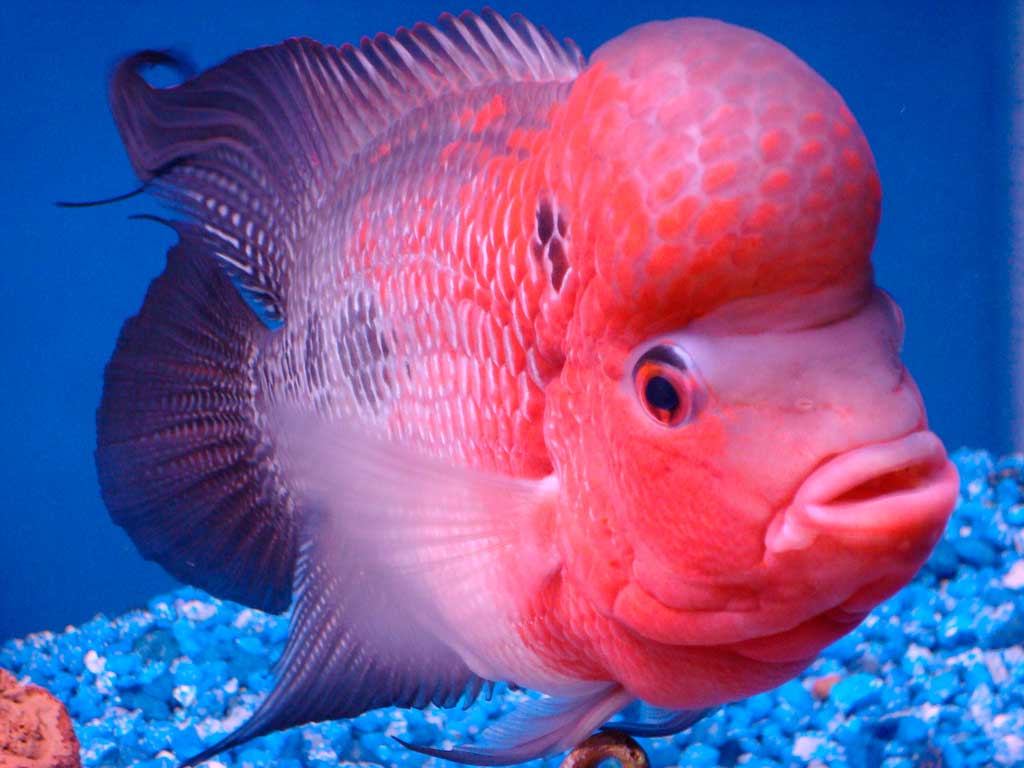
Oranda goldfish with distinctive head growth (wen)

Oranda Goldfish: Care and Maintenance Guide

The oranda goldfish is one of the most striking and attractive representatives of fancy goldfish, originating from China. First mentions date back to the late 16th century, though some sources suggest the fish was known in Japan as early as the 15th century. In China, the oranda is called “water flower” for its grace and beauty.

Читать далее...