Betta Fish: A Living Flame in Your Aquarium
The betta fish (Betta splendens), also known as the Siamese fighting fish, is one of the most iconic and recognizable freshwater aquarium fish in the world. With its jewel-like colors and flowing finnage, this remarkable labyrinth fish captivates beginners and experienced hobbyists alike. In my years of keeping bettas, I can say without hesitation that no other fish matches its combination of beauty, personality, and relative ease of care.
According to FishBase, Betta splendens originates from the slow-moving and stagnant waters of Southeast Asia — rice paddies, shallow ponds, drainage ditches, and floodplains of Thailand, Cambodia, Vietnam, and neighboring countries. This natural habitat explains the fish’s remarkable adaptations, including its unique labyrinth organ.
Betta Fish Care: Essential Requirements
Before bringing a betta home, it’s crucial to understand its nature and needs. Despite its reputation for hardiness, a betta kept in poor conditions will lose its vibrant color, become lethargic, and fall ill. Proper betta fish care begins with an appropriately sized tank.
Contrary to the popular myth that bettas thrive in tiny bowls, these fish require a minimum of 15–20 liters (4–5 gallons) for a single specimen. A rectangular tank is preferable to a round one, as it provides better water circulation and more horizontal swimming space. Tanks of 30 liters or more allow you to create a proper planted setup where the betta can truly thrive.
The betta’s most extraordinary anatomical feature is its labyrinth organ — a specialized breathing structure located above the gills that allows the fish to absorb oxygen directly from the air. This adaptation evolved in oxygen-depleted waters and means bettas must have unobstructed access to the water surface at all times.
Water Parameters for Betta Fish
| Parameter | Recommended Value |
|---|---|
| Temperature | 24–28 °C (75–82 °F) |
| pH | 6.5–7.5 |
| Hardness (dGH) | 5–15 |
| Tank volume | From 15 L (single fish) |
| Filtration | Gentle, low-flow |
| Aeration | Minimal (labyrinth organ present) |
| Lighting | Subdued to moderate |
| Water changes | 25–30% weekly |
According to Seriously Fish, wild bettas typically inhabit soft, slightly acidic water with pH values closer to 6.0–7.0, which is worth noting especially when attempting to breed them.
Betta Fish Behavior and Compatible Tank Mates
The betta’s reputation as a fighter is well-earned. Male bettas cannot be kept together — they will engage in prolonged, damaging battles that can result in torn fins and death. Even the reflection in a glass panel can trigger a full aggressive display.
However, bettas can coexist peacefully with carefully selected tank mates:
– Small, fast-moving tetras and rasboras
– Bottom-dwelling catfish
– Snails and shrimp (some bettas will hunt shrimp — observe carefully)
Avoid fish with long, flowing fins, as bettas may mistake them for rivals. Equally, avoid fin-nipping species that will damage the betta’s delicate finnage. Curious about other peaceful community fish? Check out our article on guppies for another excellent beginner-friendly option.
Aquarium Decoration
Bettas appreciate a heavily planted tank with plenty of hiding spots and subdued lighting. Ideal plants include java moss (Vesicularia dubyana), anubias (Anubias spp.), and cryptocorynes (Cryptocoryne spp.). Floating plants such as riccia (Riccia fluitans) or salvinia (Salvinia natans) serve double duty — providing shade and acting as anchor points for the betta’s bubble nest.
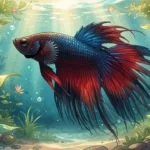
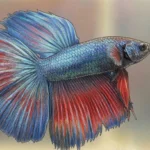
Color Varieties and Fin Types
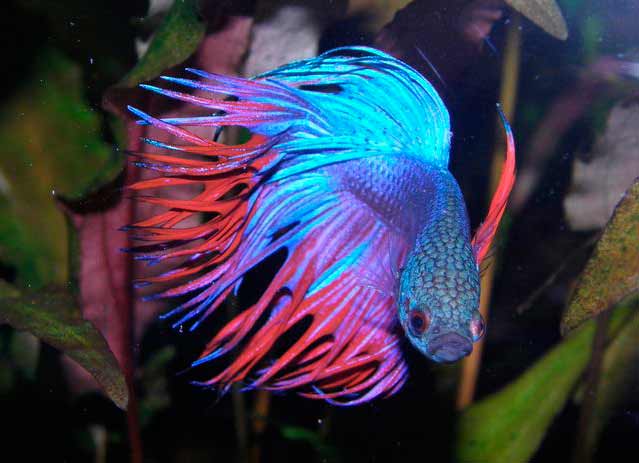
Decades of selective breeding have produced an astonishing array of betta varieties. Common tail types include:
– Veiltail — long, drooping fins; the most common form
– Crowntail — extended fin rays creating a crown-like effect
– Halfmoon — tail spreads into a perfect 180-degree semicircle
– Double tail — caudal fin divided into two distinct lobes
– Delta tail — wide, triangular caudal fin
Coloration ranges from royal blue and flame red to pastel pink, deep violet, and near-white opal. Marble, butterfly, and multicolor specimens ensure that no two bettas look identical.
Feeding Your Betta
Bettas are carnivores by nature. Their diet should be protein-rich and varied: bloodworms, tubifex, daphnia (Daphnia spp.), and brine shrimp (Artemia spp.) are all excellent live or frozen options. High-quality pellets and flakes formulated specifically for bettas — containing carotenoids to enhance color — are a convenient staple food.
Feed 1–2 small meals per day, offering only what the fish can consume in 2–3 minutes. Bettas are prone to overfeeding and obesity. One fasting day per week benefits digestion and overall health.
Breeding Betta Fish
Betta breeding is a fascinating process. The male constructs a bubble nest at the water surface, carefully binding each bubble with fragments of floating plants. This nest is the centerpiece of an elaborate courtship display in which the male flares his fins, circles the female, and showcases his coloration.
After spawning, remove the female immediately to prevent aggression. The male guards the nest, retrieving any fallen eggs or fry until they become free-swimming, typically 2–5 days after hatching. A separate breeding tank of at least 20 liters, with a temperature of 26–28 °C and minimal water movement, is essential for success.
Health and Common Diseases

A betta kept in clean, warm water with a balanced diet rarely falls ill. Most health problems — fin rot, ich (Ichthyophthirius multifiliis), velvet disease (Oodinium spp.), and bloating — arise from stress, temperature fluctuations, or water quality issues. For a detailed guide to symptoms and treatments, see our dedicated article on betta fish diseases.
If you enjoy keeping colorful, personality-driven fish, you might also appreciate the swordtail — another vibrant species that makes an excellent alternative or companion in a larger community tank.
For a contrasting perspective on long-lived, majestic aquarium fish, our article on goldfish offers a comprehensive look at another hobby classic.
Frequently Asked Questions
Can I keep a betta in a 5-liter tank?
A 5-liter vessel is too small for long-term betta keeping. While bettas can survive in minimal water, a tank of at least 15–20 liters is required for the fish to display natural behaviors, maintain stable water parameters, and live a full, healthy life.
How long do betta fish live?
With proper care, Betta splendens typically lives 3–5 years. Some individuals in optimal conditions have been reported to reach 7 years of age.
Why is my betta fish losing color?
Color loss is usually a sign of stress, illness, poor water quality, or inadequate diet. Check water parameters first, then assess the diet and ensure the fish has adequate hiding places to feel secure.
Can betta fish live with goldfish?
This combination is not recommended. Goldfish prefer cooler water (18–23 °C), while bettas require 24–28 °C. The temperature mismatch will stress both species over time.
Do bettas need a heater?
Yes. Bettas are tropical fish and require a stable water temperature of 24–28 °C. In most climates, a reliable aquarium heater is essential to prevent dangerous temperature fluctuations.
Last updated: July 02, 2026