Why Goldfish and Plants Don’t Always Mix
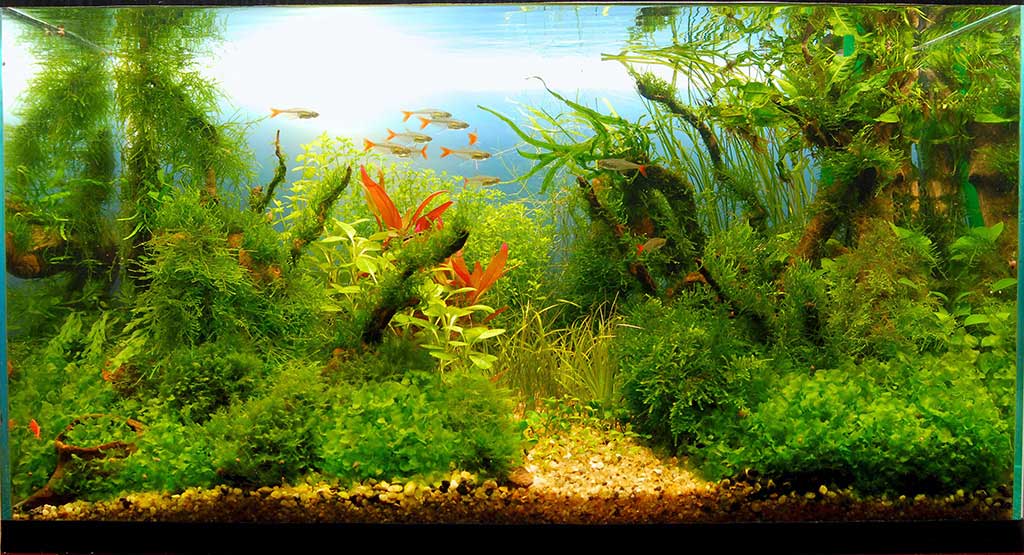
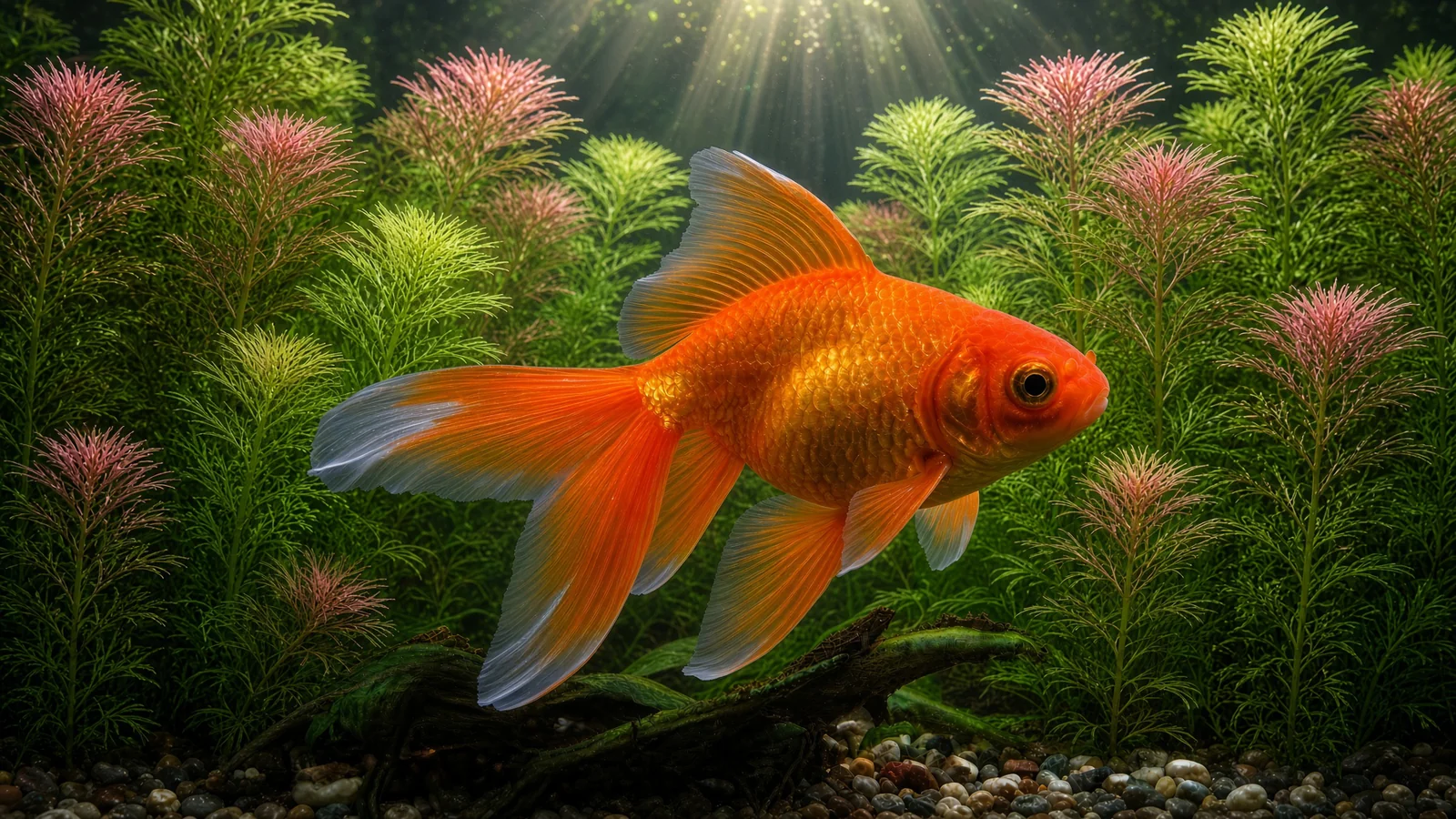
Selecting plants for goldfish tanks presents unique challenges. These fish are naturally herbivorous, with vegetation forming a substantial part of their diet. They’ll devour tender plants with soft leaves and constantly dig through substrate searching for food, uprooting everything in their path. Success depends on choosing the right species and securing them properly.
Hardy Aquarium Plants Goldfish Won’t Eat
While goldfish will sample almost any greenery, certain plants resist their attention thanks to tough leaves or unpalatable taste. Hard-leaved species are your primary option for these aquariums.
Anubias ranks first among goldfish-resistant plants. Their thick, leathery leaves prove too tough for fish to chew through, though they occasionally nibble young tender growth. Anubias thrive in shade, require minimal lighting, and attach excellently to driftwood or rocks. Critical detail: when planting in substrate, bury only the roots while keeping the rhizome exposed—otherwise it will rot.
Sword plants (Echinodorus) work well due to their dense leaf structure. Large varieties form substantial rosettes that goldfish typically ignore. These plants need nutrient-rich substrate and adequate lighting to flourish.
Ferns, including Java fern (Microsorum pteropus), tolerate goldfish companionship beautifully. Their rigid leaves and bitter taste deter fish from nibbling. Ferns can be tied to decorations—they don’t require substrate planting.
Cryptocorynes are generally unpalatable to goldfish, though their leaves aren’t quite as tough as Anubias. These undemanding plants spread readily and create dense thickets.
Giant Vallisneria can coexist with goldfish thanks to its tough ribbon-like leaves. It grows rapidly and forms thick background coverage. Aquarium plants serve vital functions—they purify water, oxygenate it, and provide shelter.
Protection Methods for Plants in Goldfish Tanks
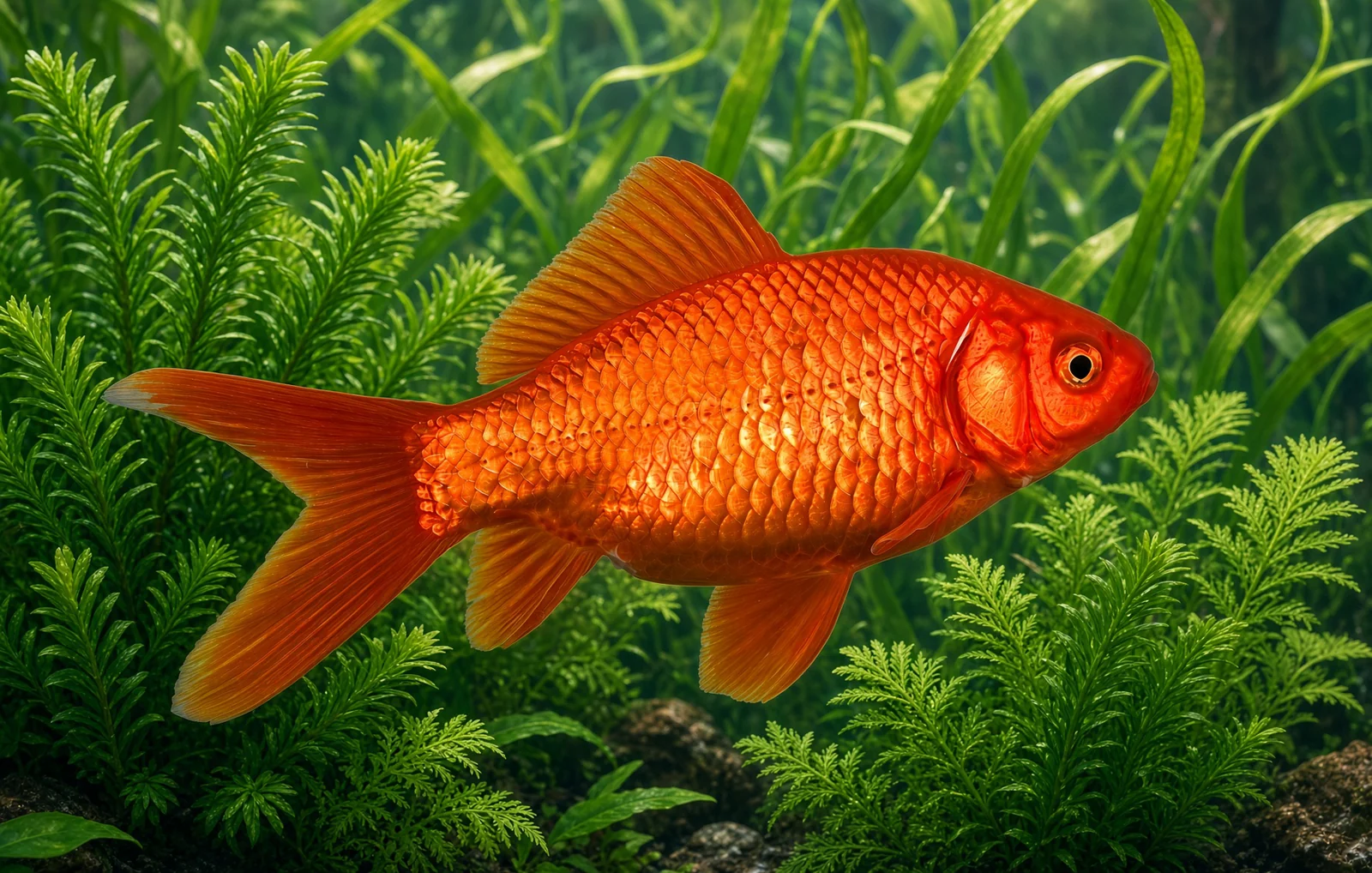
Even resistant species need protection from uprooting. Goldfish constantly dig through substrate, and plants with poorly developed root systems suffer most from this habit.
Attaching to decorations proves most reliable. Anubias, ferns, and Java moss can be tied with fishing line or glued to driftwood and stones. Fish cannot dislodge secured plants, allowing them to develop undisturbed.
Potted planting shields root systems from excavation. Pots can be camouflaged with rocks or decorations. This method suits sword plants and cryptocorynes particularly well.
Rock reinforcement helps when you want plants directly in substrate. Surround the base with large stones—this makes it harder for fish to access roots.
Floating plants—Amazon frogbit, Salvinia, water lettuce—goldfish cannot uproot for obvious reasons. These species float freely on the surface and create shade, benefiting other plants below.
Introducing goldfish into an established tank with mature vegetation reduces plant damage. Dense growth is perceived as natural environment rather than food.
Edible Plants for Goldfish: Using Them Strategically
Certain soft, fast-growing plants can be cultivated specifically as food. This distracts fish from ornamental species while providing necessary vegetable matter.
Duckweed makes excellent supplementary food for goldfish. Grow it separately and add to the tank twice weekly. Fish devour it eagerly, obtaining vitamins and fiber.
Wolffia serves as a useful treat that diverts goldfish attention from other plants. This tiny floating plant multiplies quickly.
Hornwort gets eaten readily by goldfish. You can grow it separately and periodically toss portions into the tank as live food.
Riccia disappears quickly and functions well as food. It grows rapidly under good lighting.
Some aquarists deliberately plant Cabomba, Rotala, or Ludwigia for goldfish consumption. These plants recover quickly, providing fish with fresh greens.
Practical Tips for Maintaining Plants with Goldfish
Successful planted tanks depend not only on species selection but also on proper care and fish feeding.
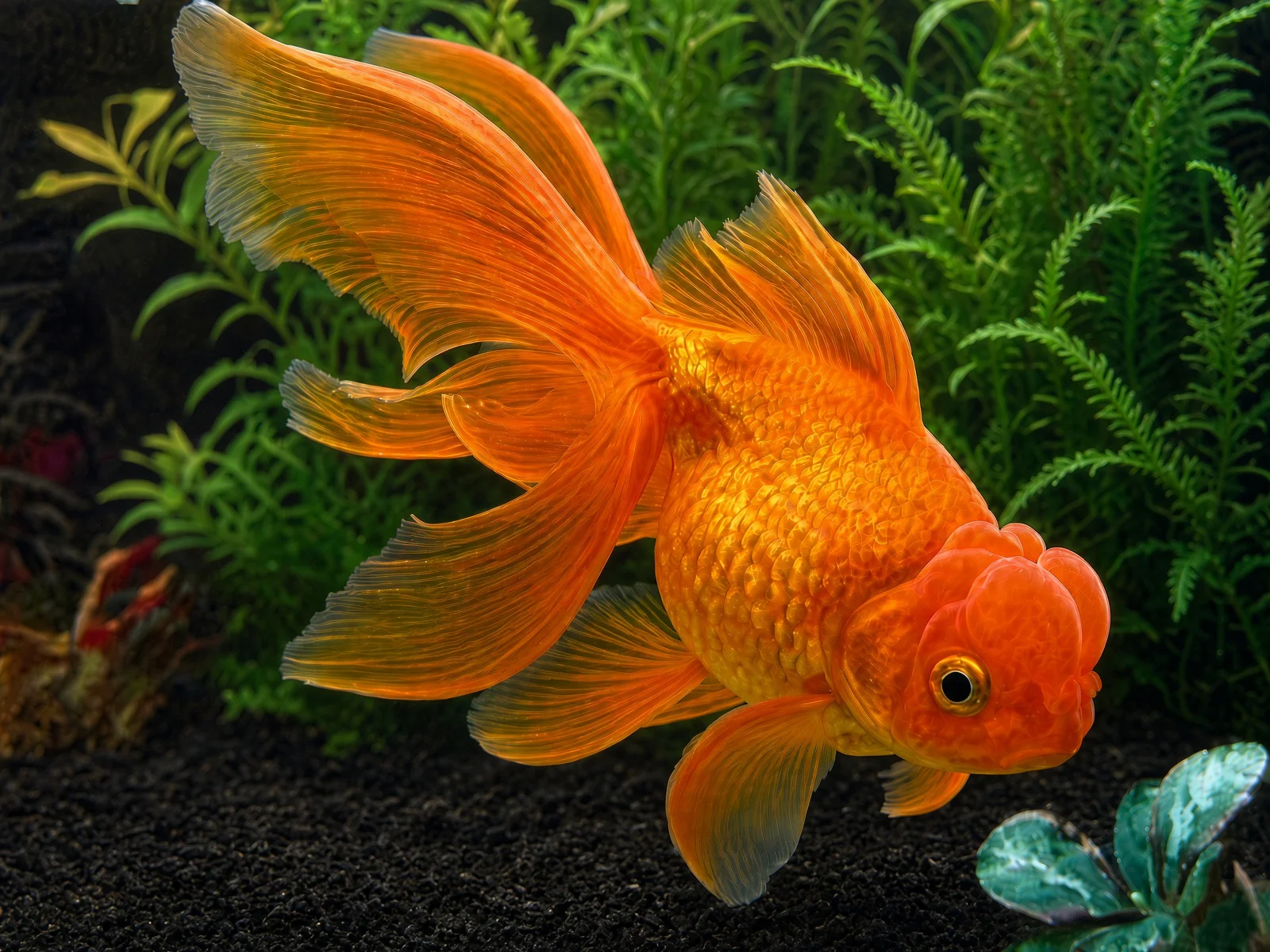
Feeding strategy plays a crucial role. When goldfish receive adequate vegetable matter in their diet, they show less interest in ornamental plants. Include specialized foods with plant components, blanched vegetables (zucchini, cucumber, lettuce). With proper abundant feeding, fancy goldfish varieties like Ranchu or Wakin may become indifferent to tank plants.
Substrate choice affects plant stability. Use large gravel (5-10mm)—fish find it harder to dig through than fine sand. Substrate depth should support root development—at least 5-7 cm.
Lighting and fertilization are necessary for healthy plant growth. Hard-leaved species are generally undemanding but need 8-10 hours of light daily. Root tab fertilizers help sword plants and cryptocorynes develop faster.
Artificial plant alternative—quality silk or soft plastic plants require no maintenance, can’t be eaten, and look natural. Modern designs are safe and aesthetically pleasing.
In my experience, starting with a few hardy species works best—two or three Anubias specimens and several ferns. Attach them to driftwood and observe fish behavior. If plants remain intact, gradually add other varieties. Experiment with floating plants and duckweed supplements—this diversifies goldfish diet while preserving decorative greenery.
Creating a planted goldfish aquarium is achievable with proper plant selection and adequate fish nutrition. Hardy species, secure anchoring, and regular soft plant supplements form the foundation of success. Your aquarium can be both beautiful and comfortable for its inhabitants.