Introduction
The goldfish (Carassius auratus) ranks among the most beloved aquarium inhabitants, requiring careful attention to diet. The right goldfish food directly impacts their health, coloration, and lifespan. In my experience, many beginners underestimate the importance of balanced nutrition, leading to digestive issues and weakened immunity in their pets.
Goldfish have hearty appetites and omnivorous tendencies, but this doesn’t mean they can eat just anything. Their unique digestive system makes them particularly sensitive to overfeeding and nutritional imbalances.
Types of Goldfish Food
Specialized Dry Foods
Modern aquarium keeping offers extensive options in prepared foods formulated specifically for goldfish. Pellets and flakes contain balanced proteins, fats, carbohydrates, and vitamins. Quality manufacturers account for species-specific needs, adding components that support vibrant colors and fin health.
Pellet-based goldfish food proves superior to flakes—it softens more slowly and creates less water pollution. Choose pellet size according to fish dimensions: small particles suit juveniles, while medium to large pellets work for adults.
Live and Frozen Options
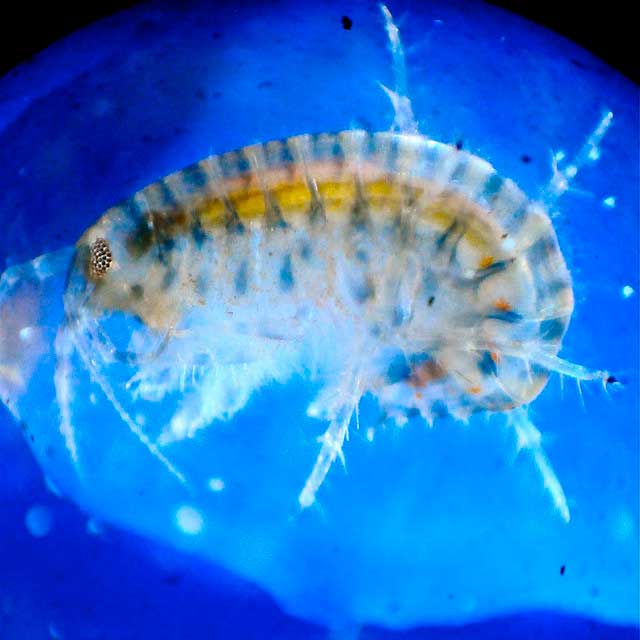
Live food forms an important part of goldfish nutrition. Bloodworms, daphnia, and brine shrimp provide protein and trace elements that encourage natural behaviors. These options add valuable variety to the menu.
Frozen foods offer convenience in storage and greater safety regarding disease transmission compared to live alternatives. Thaw and rinse them before feeding. Offer live or frozen food 2-3 times weekly as a supplement to the base diet.
Plant-Based Components
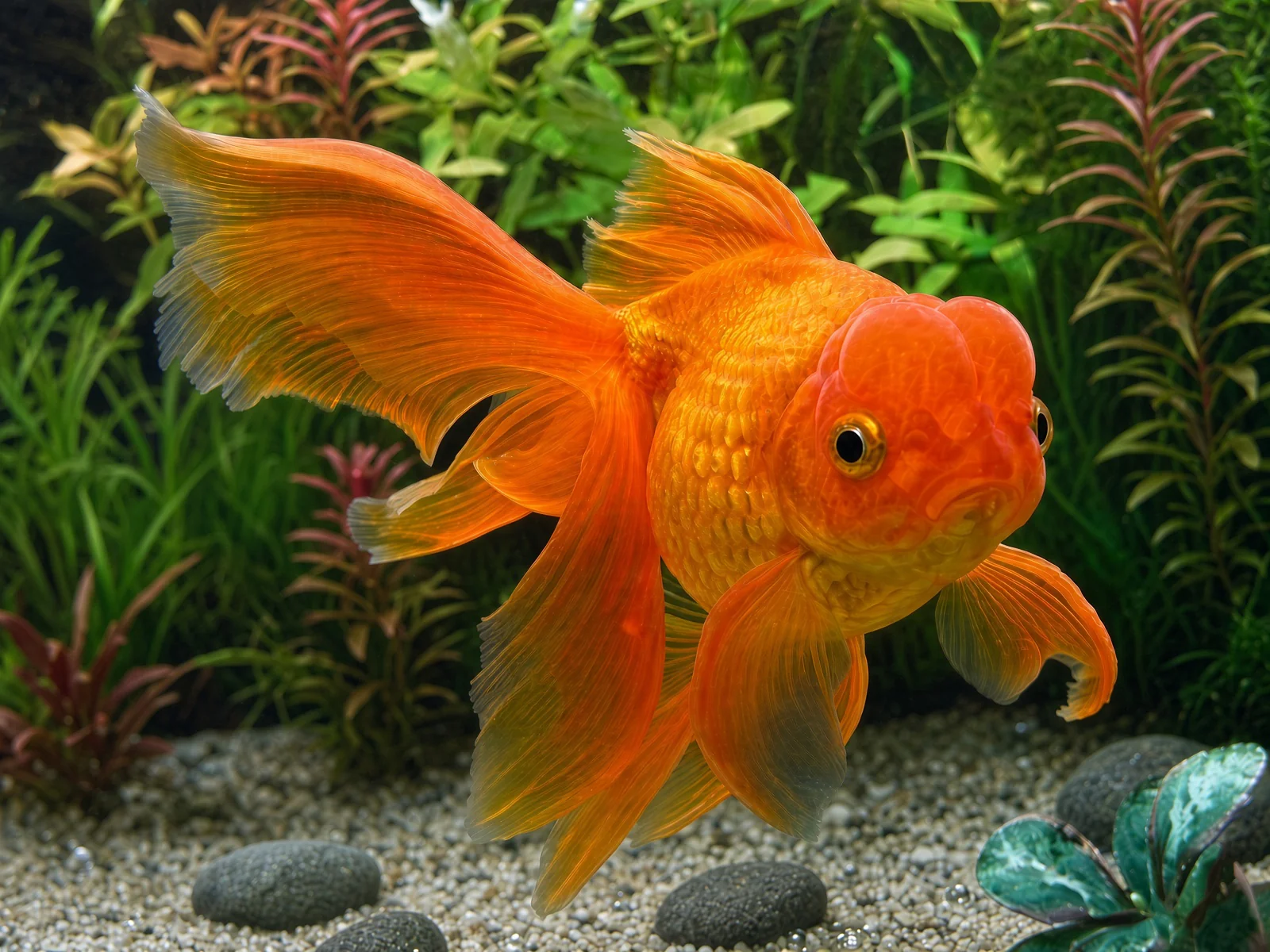
Goldfish require plant matter for proper digestion. Blanched lettuce, spinach, cucumber, or zucchini leaves can be secured in the tank with special clips. Duckweed and other aquarium plants also serve as natural fiber sources.
Plant-based goldfish food should constitute approximately 30-40% of the total diet. Some aquarists use specialized tools to chop vegetables to appropriate sizes for easier consumption.
Feeding Frequency for Goldfish
Feeding schedule represents one of the critical aspects of goldfish care. The optimal routine involves 2-3 small meals daily that fish consume within 2-3 minutes. Overfeeding poses greater risks than underfeeding: excess food pollutes water, while overeating leads to swim bladder problems and obesity.
Young fish under one year can receive food more frequently—3-4 times daily—as they’re actively growing. Adults thrive on twice-daily feeding. One fasting day per week benefits the digestive system.
Signs of Proper Feeding
With balanced nutrition, goldfish display activity, bright colors, and rounded but not bloated bellies. If fish hover at the surface with open mouths immediately after eating, this indicates overfeeding. Lethargy and appetite loss may signal food quality issues.
Goldfish Digestive Characteristics
Goldfish lack a true stomach—food passes through a short intestine. This means they cannot process large volumes at once and require frequent small meals. This anatomical feature explains why maintaining a proper schedule and controlling portion sizes matters so much.
Protein digests faster than plant material, so morning feedings can include pellets or live food, while evening meals might feature vegetables. This alternation ensures even load on the digestive system.
Temperature Considerations
When water temperature drops, goldfish metabolism slows, and food quantities should decrease accordingly. In cool water (below 64°F/18°C), one feeding daily or every other day suffices. At temperatures above 75°F/24°C, appetite increases, but overfeeding remains harmful.
Practical Feeding Tips
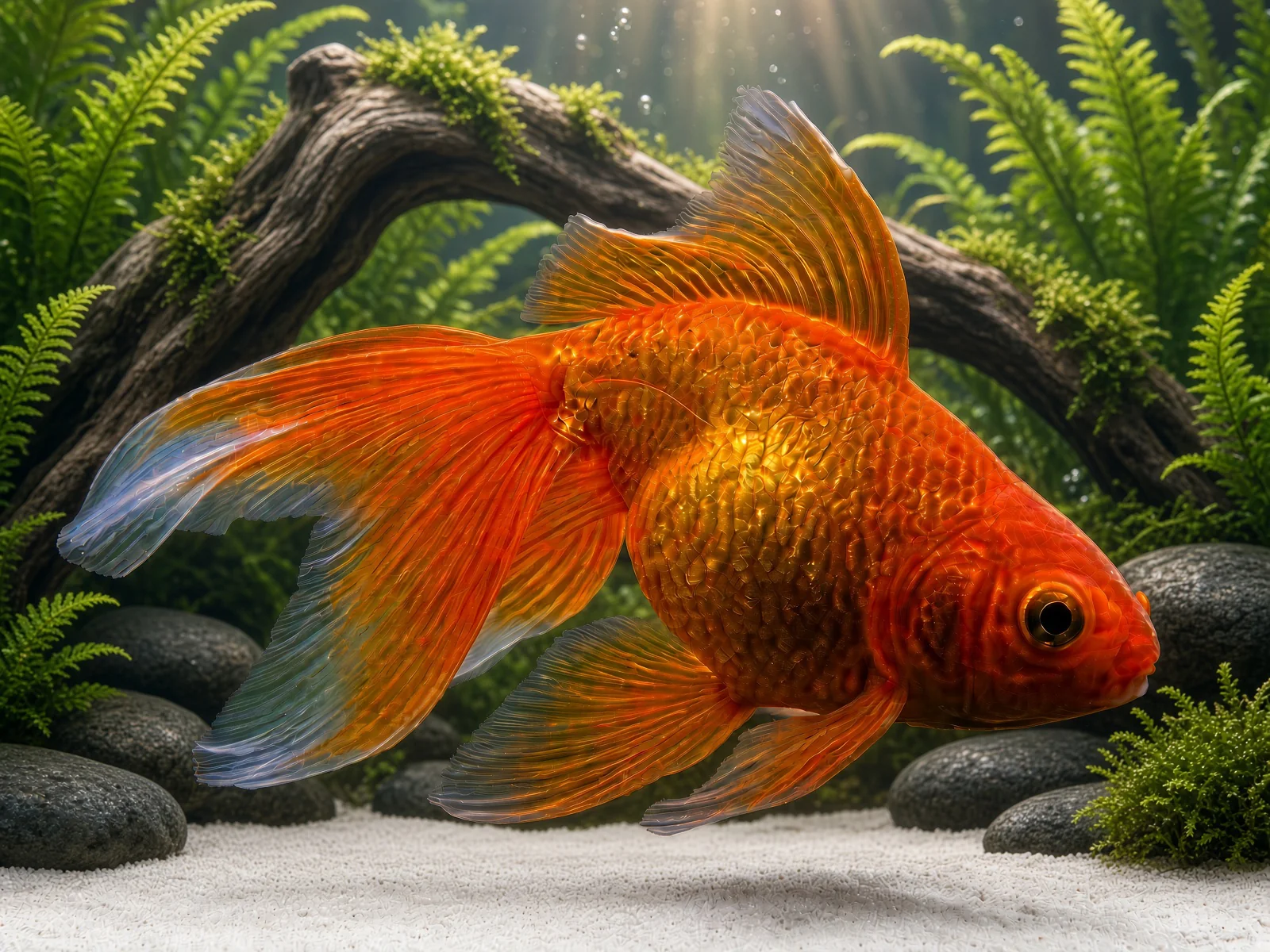
Select goldfish food based on age and size. For telescopes and fantails, slowly sinking pellets work best, as these varieties are less agile. Fancy goldfish with rounded bodies are prone to swim bladder issues—pre-soaking dry food helps prevent problems.
Rotate different food types throughout the week. For example: Monday and Wednesday—dry pellets, Tuesday and Thursday—live food, Friday and Saturday—plant matter, Sunday—fasting day. This variety ensures comprehensive nutrition.
Remove uneaten food 5-10 minutes after feeding. This proves especially important for live food, which spoils quickly and degrades water quality. Use a siphon or net to clean settled particles from the substrate.
Common Feeding Mistakes
Many goldfish owners make the same error—feeding “by eye” without controlling quantities. Fish will eat whatever they’re offered, but this doesn’t reflect their actual needs. Obesity and buoyancy problems directly result from overfeeding.
Another widespread issue involves monotonous diets. Feeding only dry flakes leads to nutritional deficiencies and weakened immunity. Goldfish need dietary variety as much as any other aquarium species.
Some aquarists forget to factor water temperature when determining portions. In warm water, fish show greater activity and require more energy; in cool water, the opposite holds true. Ignoring this factor leads to either underfeeding or overfeeding.
Conclusion
The proper approach to goldfish feeding balances quality, quantity, and variety. Well-chosen goldfish food, a sensible feeding schedule, and attention to individual pet needs ensure long, healthy lives. I recommend keeping a feeding journal during the first months to establish the optimal schedule and portion sizes for your specific fish.
Observe your pets’ behavior and appearance—they’ll indicate whether the diet is working. Remember that feeding represents not just daily routine, but a crucial care aspect that determines your pets’ wellbeing.