What Is a Comet Goldfish?
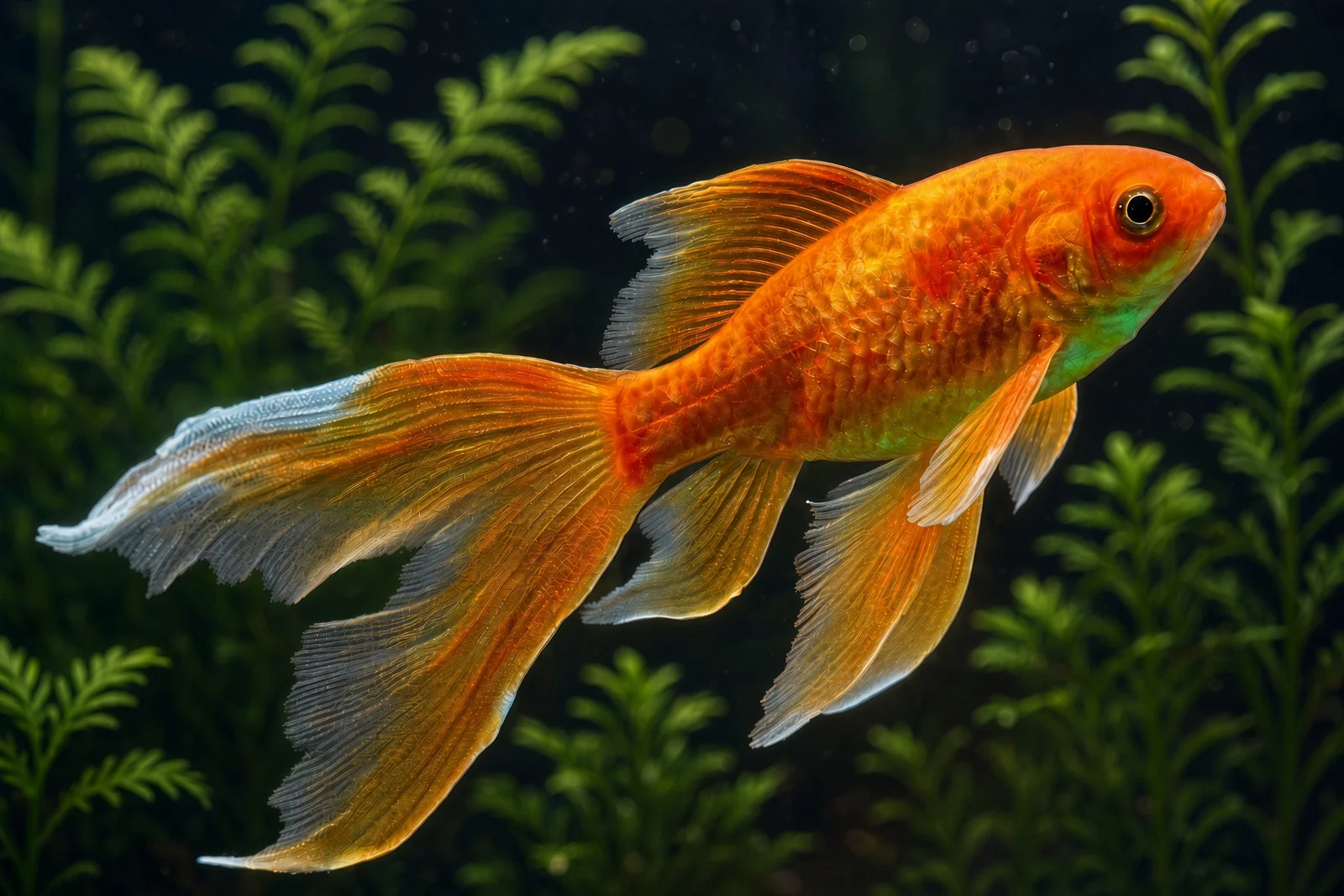
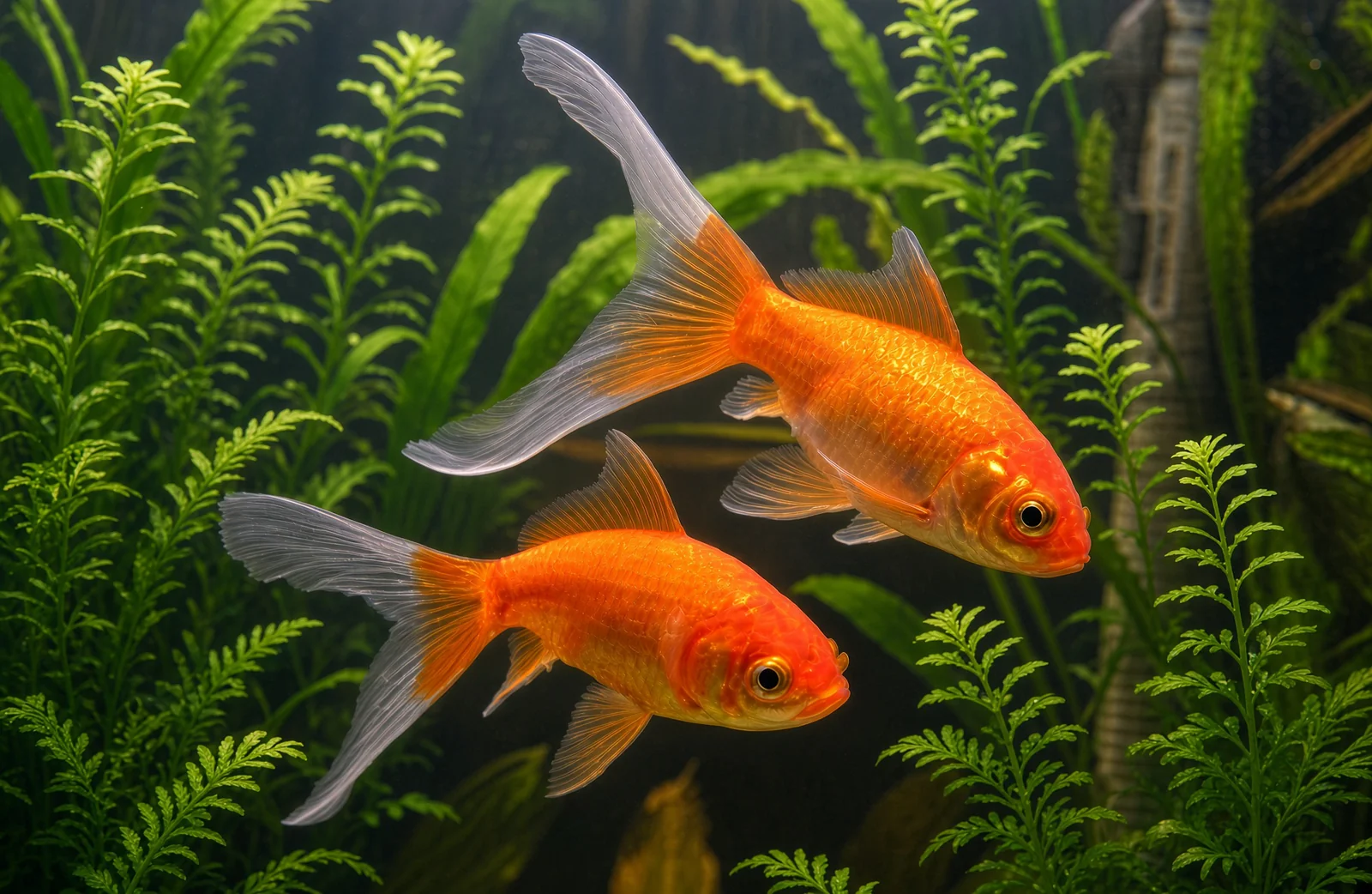
The comet goldfish stands out as one of the most graceful varieties developed from the common goldfish. This breed features an elongated, torpedo-shaped body and a spectacular ribbon-like tail that often exceeds the length of the body itself. Thanks to their swift movements and vibrant coloration, comet goldfish have earned popularity among aquarium keepers worldwide.
The breed traces its origins to the United States in the late 19th century, where American breeder Hugh Mullet refined its characteristics. Historical accounts suggest he worked with fish imported from Japan, enhancing their distinctive features. Comet goldfish belong to the slim-bodied goldfish group, making them more active swimmers compared to fancy varieties like ranchu.
Physical Characteristics of Comet Goldfish
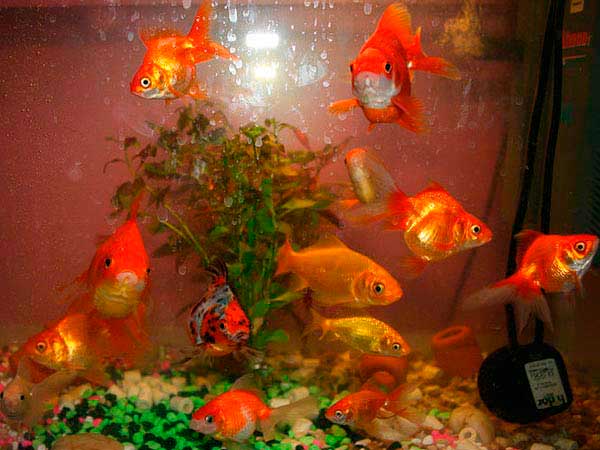
The body of a comet goldfish is streamlined with a slightly arched back, creating a dynamic silhouette. The breed’s crowning glory is its single, deeply forked caudal fin—long and flowing. Among breeders, specimens with longer tails command higher value. Color variations include red-orange, red-and-white, silver, and yellow individuals. Fish displaying contrasting body and fin colors receive particularly high appreciation.
In aquariums, comet goldfish typically reach 7-8 inches (18-20 cm) in length, while spacious pond environments allow them to grow up to 12 inches (30 cm). In my experience, adult size correlates directly with habitat volume and care quality.
Tank Requirements for Comet Goldfish
A single comet goldfish needs a minimum tank capacity of 40-50 liters (10-13 gallons). These fish are coldwater species, thriving at temperatures between 18-23°C (64-73°F). Water hardness should range from 6-25 dGH, with pH levels between 5.0-8.0.
Comet goldfish require robust aeration and efficient filtration. These fish produce substantial waste, making weekly water changes of approximately 25% essential. Quality filtration prevents the accumulation of ammonia and nitrites, which pose serious health risks.
For substrate, choose coarse sand or smooth gravel—comet goldfish enjoy foraging through the bottom material. Avoid sharp decorations and rocks with cutting edges that could damage their flowing fins. Select plants with tough leaves, as comet goldfish readily consume softer vegetation. Anubias, cryptocorynes, or artificial plants work well.
An important detail: comet goldfish are active jumpers, especially when startled or during feeding time. Always use a secure aquarium lid.
Feeding Your Comet Goldfish
Comet goldfish are omnivorous with hearty appetites, though they’re prone to overeating. Feed them 2-3 times daily in small portions that can be consumed within 5-10 minutes. Remove uneaten food immediately to maintain water quality.
A balanced diet includes:
- Live foods: bloodworms, tubifex, daphnia, brine shrimp
- Plant matter: blanched lettuce, spinach, zucchini leaves
- Specialized dry foods formulated for goldfish
Soak dry foods in water for several minutes before feeding—this prevents digestive issues. Overfeeding poses serious risks, potentially causing obesity, intestinal problems, and shortened lifespan. Healthy adults tolerate week-long fasting periods without difficulty, which proves convenient during vacations.
Comet goldfish coloration depends on diet and lighting intensity. To maintain vibrant colors, include foods containing carotenoids and spirulina in their menu.
Compatibility and Behavior
Comet goldfish are peaceful fish that coexist well with other calm species of similar size. They can share tanks with other goldfish varieties, such as wakin or bubble-eye goldfish.
Avoid housing comet goldfish with aggressive species like barbs, cichlids, or large gouramis—these may nip at their long fins. Also avoid pairing them with small schooling species that require warmer water. Swordtails and bettas need higher temperatures, making them unsuitable tankmates.
Comet goldfish tolerate brackish water up to 12-15 ppt, which can be utilized for preventing certain diseases.
Breeding Comet Goldfish
Comet goldfish reach sexual maturity after one year, though breeding works best with individuals aged 2-4 years. During spawning season, males develop characteristic pearl-like tubercles on their gill covers, while females visibly swell with eggs.
The spawning period occurs in spring—typically April through May. For successful breeding, place one female with 2-3 males in a separate spawning tank of at least 50 liters (13 gallons). A single female releases 2,000-3,000 eggs per spawn, though literature mentions up to 10,000.
Remove parent fish immediately after spawning, or they’ll consume the eggs. Fry hatch within 3-5 days depending on water temperature. Feed young fish with baby brine shrimp, microworms, or infusoria, gradually transitioning to larger foods.
Comet goldfish lose breeding capability around 8 years of age. With proper care, their lifespan extends to 10-15 years.
Health and Disease Prevention
When care requirements are met, comet goldfish rarely fall ill. Primary health issues stem from poor water quality and overfeeding. Fish become susceptible to intestinal diseases and gill rot when filtration is inadequate and water changes are irregular.
Preventive measures include:
- Regular tank cleaning and water changes
- Monitoring water parameters with test kits
- Balanced feeding without overfeeding
- Quarantining new fish before introduction
- Removing sharp objects that could cause injuries
Comet goldfish thrive not only in aquariums but also in decorative garden ponds, where they feel excellent and achieve maximum size.
Conclusion
The comet goldfish represents an excellent choice for aquarists who appreciate elegance and grace. This breed is relatively undemanding, though it requires spacious housing, quality filtration, and balanced nutrition. I recommend comet goldfish to beginning aquarium keepers: when you follow basic care guidelines, these fish will reward you with beauty and activity for many years. Their long, flowing tails and swift movements make comet goldfish genuine showpieces in any aquarium or pond setting.