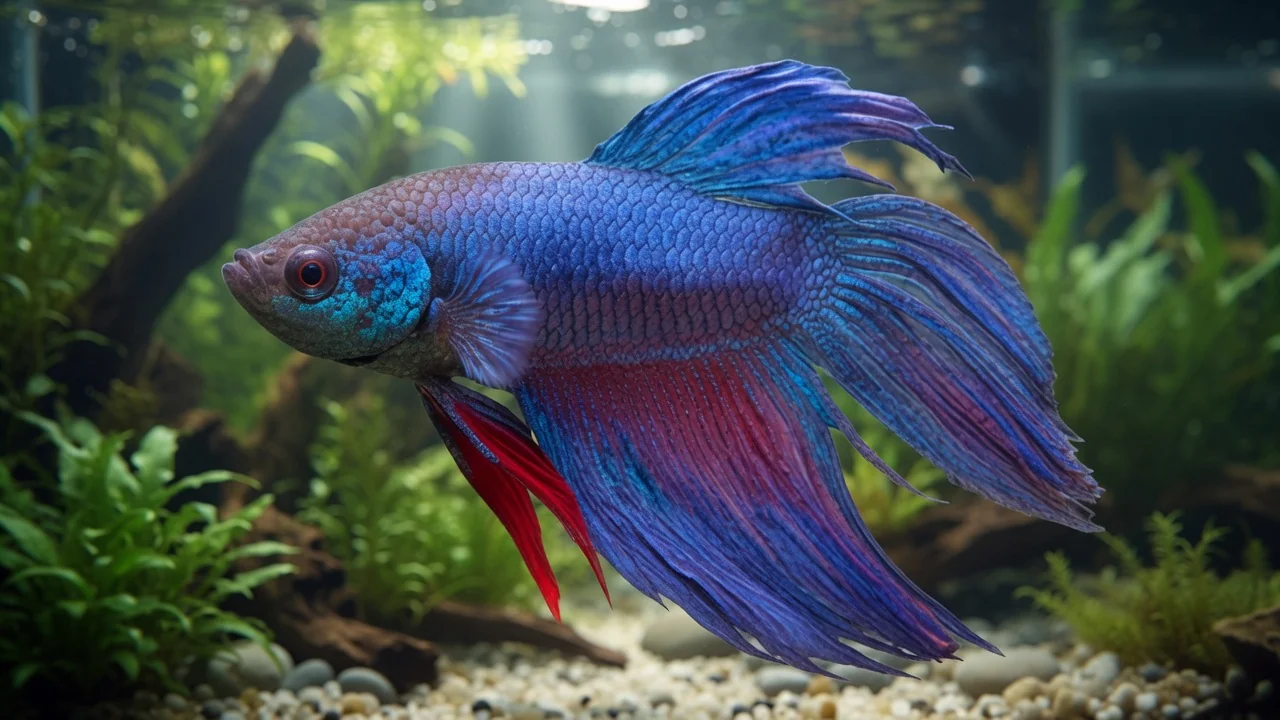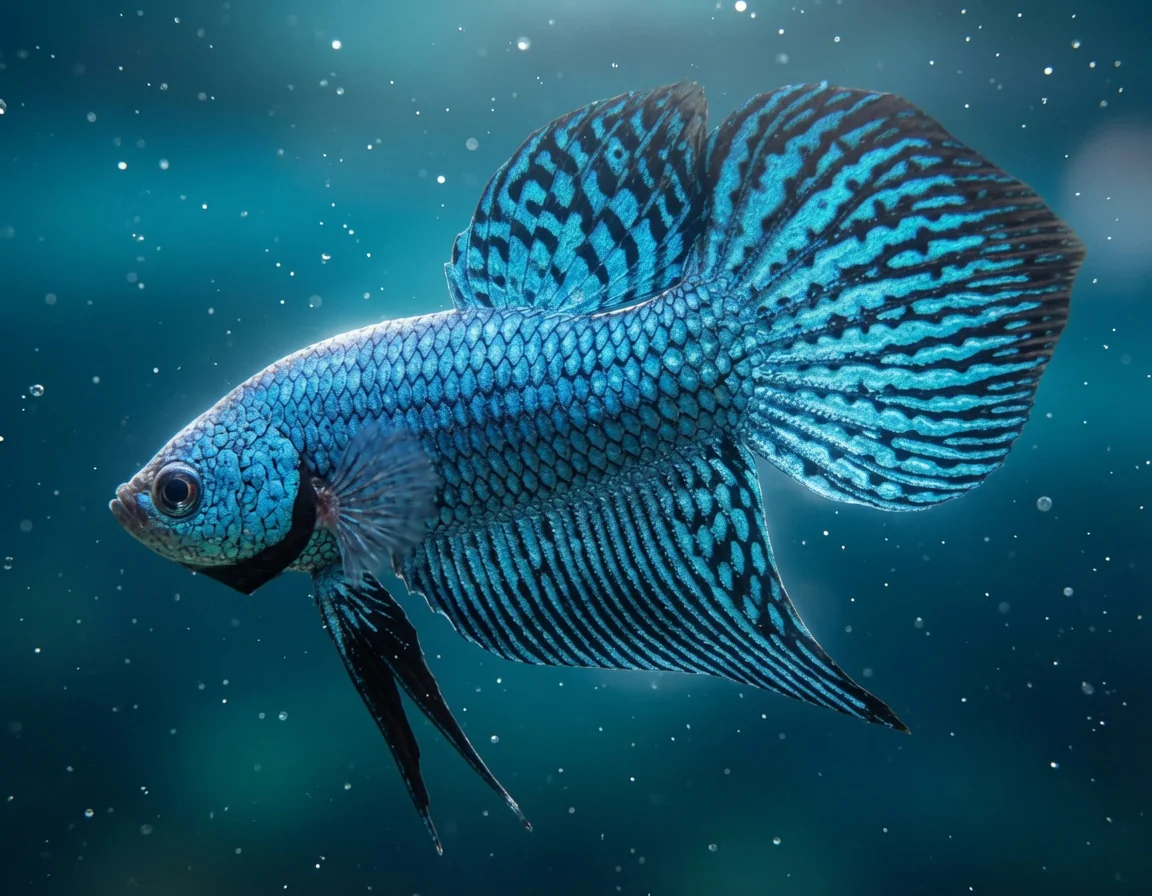
Molly fry
Molly Fry Care: How to Raise and Save Your New Fry
Molly fry can appear in your aquarium almost out of nowhere — even if you never planned to breed your fish. Mollies (Poecilia spp.) are livebearers, and females can store sperm for months, producing successive batches of fry without any additional mating. That’s why it pays to know exactly what to do when you suddenly find dozens of tiny fish darting around your community tank.
Mollies breeding
Molly Fish Breeding: A Complete Guide for Aquarists
Molly fish (Poecilia spp.) are among the most popular livebearers in the hobby, and molly fish breeding is a topic that fascinates both beginners and experienced aquarists alike. At first glance, livebearers seem to reproduce effortlessly — just add a male and female to a tank and wait. In reality, mollies are a notable exception to this rule. Without attention to several key factors, producing healthy fry consistently can be surprisingly difficult.
Flower Horn
What is a Flowerhorn Cichlid
Flowerhorn cichlids are unique ornamental fish developed through selective breeding in Malaysia and Thailand during the 1990s. These cichlids are hybrids of several American cichlid species, including Amphilophus citrinellus and Amphilophus labiatus. In my experience, Flowerhorn fish remain one of the most impressive and controversial species in modern 2026 aquaristics.
Aphiosemion ikea
Species Description
Aphyosemion filamentosum “Ikeja” is a distinctive color variation of the well-known species A. filamentosum, inhabiting the Lagos area of Nigeria within a radius of approximately 30 kilometers. This killifish attracts aquarists with its unusual coloration and compact size, making it an excellent choice for species-specific nano setups.
Aphyosemion wachter’s
Aphyosemion wachtersi is one of the most colorful representatives of the Aphyosemion genus, deserving attention from aquarists due to its relatively straightforward breeding process. This small killifish is notable for spawning without the egg diapause characteristic of most other aphyosemions.
Aphyosemion caudofasciatum
Description and Origin
Aphyosemion caudofasciatum was first described by Huber & Radda in 1979. In nature, this species inhabits exclusively the streams of the Zanaga region in the upper Ogoué River basin in southern Congo. These fish populate forest-covered streams, preferring shaded areas with slow current.
Aphyosemion lamberti: Care Guide for Lambert’s Killifish
Aphyosemion lamberti (Lambert’s killifish) is another fascinating member of the Aphyosemion genus that attracts aquarists with its unusual coloration and compact size. The species was described by Radda and Huber in 1977. This fish is small and doesn’t require a large aquarium. Its reproduction doesn’t need egg diapause, yet this species is far from easy to maintain. Let me explain everything in detail.
Aphyosemion boehmi: Care Guide for Gabon Killifish
Description and Origin
Aphyosemion boehmi, commonly known as Boehm’s Aphyosemion or Gabon Killifish, was described by Radda and Huber in 1977. The species was discovered in Gabon in 1976 and is found exclusively in the Ngounie River basin in western Gabon. These fish inhabit slow-moving or standing waters, including streams, seasonal pools, and swampy areas.