Keeping macropods in the aquarium is a very fascinating activity. Macropods are very beautiful and unpretentious. Therefore, they can be recommended even to novice aquarists.
Hoplosternum thoracotum
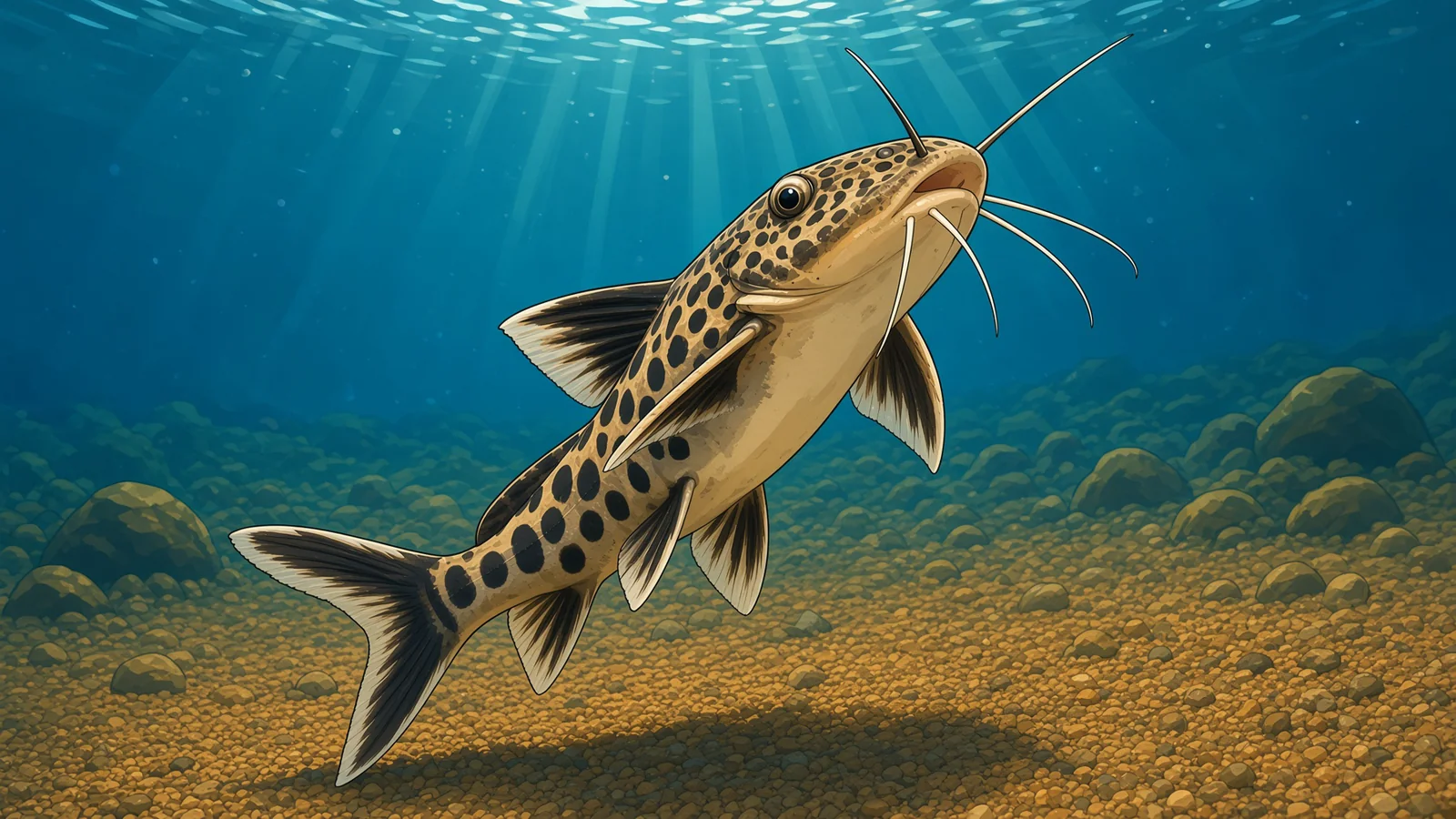
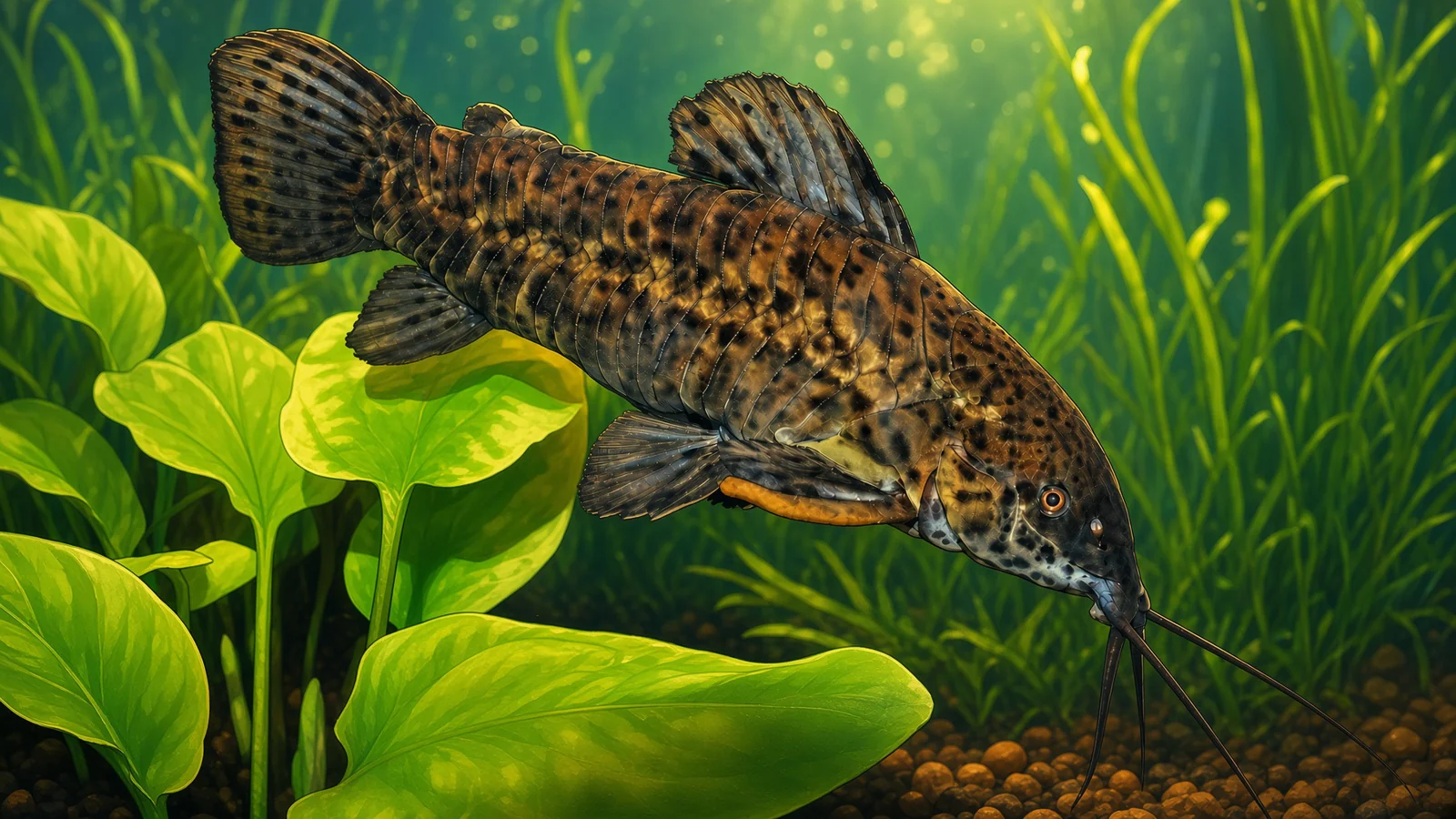
Hoplo Catfish (Hoplosternum thoracatum) — Species Overview
The Hoplo Catfish, known scientifically as Hoplosternum thoracatum (Valenciennes, 1840), is one of the most fascinating armoured catfish in the hobby. A member of the family Callichthyidae, it stands out not only for its robust, plated body but also for a remarkable physiological trait: the ability to breathe atmospheric air through a specialised intestinal respiratory organ. In my years of fishkeeping experience, this species has consistently proven to be both rewarding and surprisingly engaging to observe.
Cichlid concord
Cichlid concord is remarkable in many ways. Both its body shape and way of life and peculiarities of spawning make this species a very interesting object for observation. Concorde has the Latin name Nimbochromis linni, but previously it was called Haplochromis linni and Cyrtosaga linni. Now these names should be considered synonyms, although obsolete.
Chocolate blue lamprologist
Lamprologus buescheri: The Chocolate-Blue Cichlid from Lake Tanganyika
Lamprologus buescheri Staeck, 1983 — commonly known as the chocolate-blue lamprologus — is a stunning cichlid (family Cichlidae) endemic to Lake Tanganyika in East Africa. In the wild, this species inhabits the southern and southwestern shores of the lake, favouring rocky substrates, stone shelves and crevices at depths ranging from 5 to 25 metres. Understanding its natural biotope is the key to successful aquarium keeping.
Chilodus (Chilodus punctatus)
Chilodus: A Rare Gem from South American Waters
Chilodus (Chilodus punctatus) stands as one of the most unusual and understudied fish in the characin family. This elegant species from the Amazon basin has captured the hearts of experienced aquarists with its unique behavior and graceful appearance. From my experience keeping rare characins, Chilodus requires a specialized approach, but the results are truly rewarding.
Cockerel fish or fighting fish. Living in an aquarium
Betta Fish: A Living Flame in Your Aquarium
The betta fish (Betta splendens), also known as the Siamese fighting fish, is one of the most iconic and recognizable freshwater aquarium fish in the world. With its jewel-like colors and flowing finnage, this remarkable labyrinth fish captivates beginners and experienced hobbyists alike. In my years of keeping bettas, I can say without hesitation that no other fish matches its combination of beauty, personality, and relative ease of care.
How to prevent fish diseases
How to Prevent Fish Diseases in Your Home Aquarium
Finally, the aquarium is purchased, plants are planted, and fish are introduced. The joy of a novice aquarist knows no bounds, as their long-cherished dream has come true. But you should never forget that live aquarium fish and other inhabitants of the underwater world are living creatures and are susceptible to various diseases.
Acclimatization of discus
Why is Discus Acclimation So Important?
Discus fish are rightfully considered the kings of freshwater aquariums, but their care requires special caution. Discus acclimation is a critically important stage that determines the success of further maintenance of these noble fish. In my 15 years of experience keeping South American cichlids, improper acclimation is the main cause of stress and death in newly acquired discus.
Angelfish – some peculiarities of keeping
Angelfish — Elegant “Angels” of Your Aquarium
Angelfish (Pterophyllum scalare, Lichtenstein, 1823) are among the most iconic and recognizable freshwater aquarium fish in the world. Belonging to the family Cichlidae, they are native to the slow-moving and still waters of South America — the Amazon, Orinoco, and Essequibo river systems and their tributaries. Alongside the common angelfish P. scalare, the genus includes the altum angelfish (Pterophyllum altum) and Leopold’s angelfish (Pterophyllum leopoldi), though it is P. scalare that forms the basis of virtually all cultivated aquarium varieties.