How should you feed aquarium fish? This question remains relevant for every generation of aquarists. Despite abundant information available, nature is so diverse that no universal instruction exists. However, there are proven principles that will help you establish proper nutrition for your aquatic pets.
Fish Feeding: Complete Guide to Aquarium Nutrition
Understanding Fish Anatomy and Feeding Behavior
Fish feeding success starts with observing your fish’s body structure. A fish’s anatomy reveals its natural feeding habits and preferences. Species like danios have upward-facing mouths and straight backs, indicating they’re adapted to catch food from the water surface. Their quick movements allow them to snatch fallen insects efficiently.
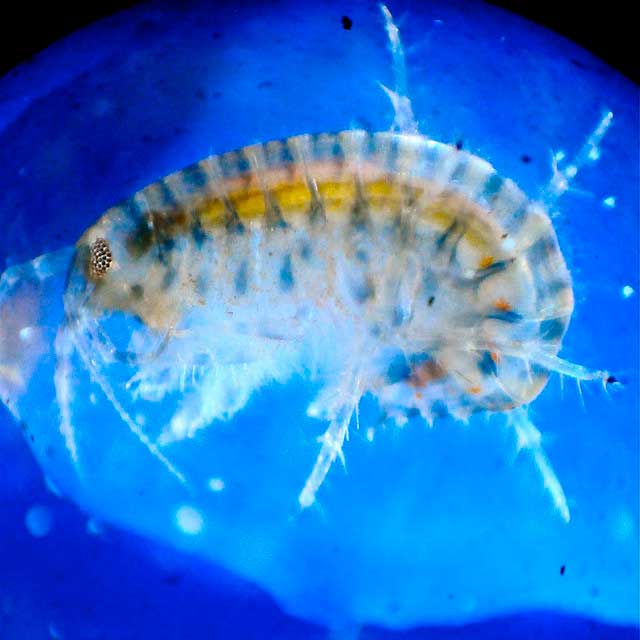
Gammarus fish food
Gammarus fish food is a small barnacle crustacean. The Latin name of this species is Gammarus pulex, it belongs to the order Amphipoda (bokoplavy), which has about 4,500 species. More often in common usage, outside the aquarium theme is used the word mormysh, which is a collective, it denotes just those 4,500 species of the Amphipoda. Mormysh is used by fishermen as bait for hooking fish. For feeding aquarium fish, aquarists more often use it is Gammarus pulex. Which was described by Linnaeus as early as 1758. The same species is used to feed valuable commercial fish species in fish farms.
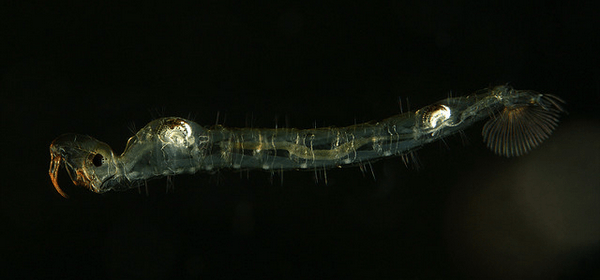
Corethra fish food
Corethra is the common name for the larva of the mosquito of the genus Culicidae, species Chaoborus (Corethra). It is used as live food for aquarium fish. It is relatively easy to obtain and preserve. Corethra fish food diversify the diet of your pets behind the aquarium glass very well.
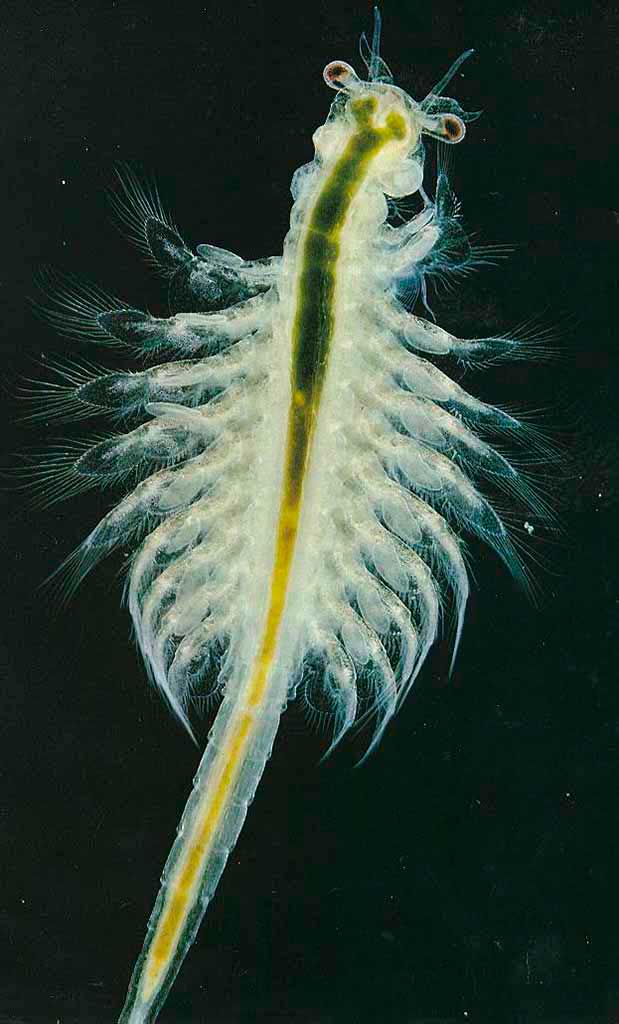
Artemia salina
Artemia salina is a crustacean inhabiting salt lakes and estuaries in almost all parts of the world. Due to its biological peculiarities, it has become a model organism. In 1982, it was in space orbit, where a joint Soviet-French crew studied with the help of this species the effect of cosmic radiation on living organisms. And in industrial fish farming and aquaristics Artemia salina is an indispensable food when feeding fish fry.

Feed cutter
If you are a breeder of aquarium fish, you may need a food cutter. After all, you are always faced with the problem of feeding small fish. After the fry grow up they are no longer satisfied with crustaceans. They should be given larger food. But such food as trubichnik or moth is still too big for them. And sometimes it is necessary to crush the leaves of plants to give growing fish plant food. Do it with a knife or scissors is not quite convenient. Usually, the tube fish are shredded with a safety razor blade on a small glass or a piece of Plexiglas. To speed up and simplify this work will help a simple feed shredder, which can be made with your own hands.

Pipefish
Pipefish is a species of small bristle worms. It has long been used by aquarists to feed aquarium fish. This type of live food for aquarium fish is very nutritious and caloric. Also for fish pipefish common is a treat, and sometimes without it and sometimes you can not do without it at all. A lot of advantages has a common trumpet as food for aquarium fish, but because of the peculiarities of its habitat may not be safe for your underwater world. How to minimize the risk when using this live food read in this article.
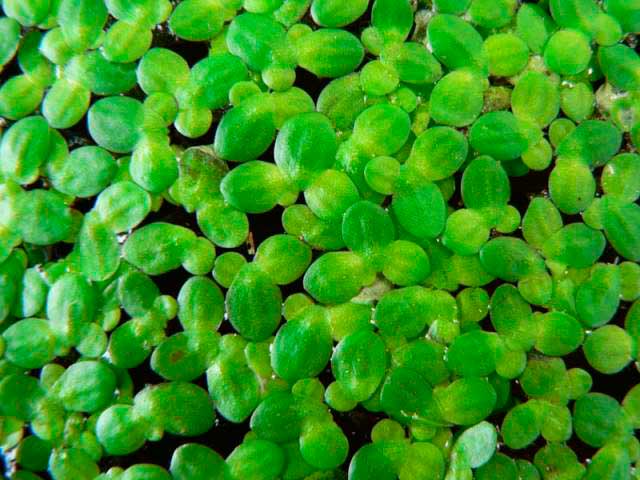
Lemna minor
The Lemna minor plant is widespread and plays an important role in all biotopes in which it is found. It is a kind of biological filter, purifying the water from excess mineral substances. It is a food base for fish, amphibians and some birds. Red-eared turtles are very fond of this grass. In most cases, a person considers it as a weed. But the amount of protein in this plant and its ability to clean the environment makes us think about the true role of this plant in biotopes and human life.
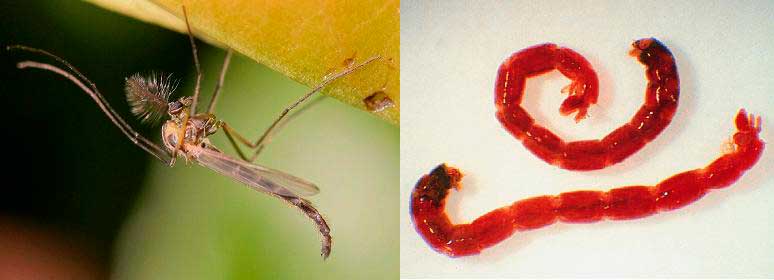
Bloodworm
The bloodworm is the larva of the mosquito derguntz or another name – Chironomus plumosus (Chironomus plumosus). This mosquito got its name for its periodic twitching of its front legs. In contrast to the associations arising at the word “mosquito”, this representative of the mosquito genus does not bite.