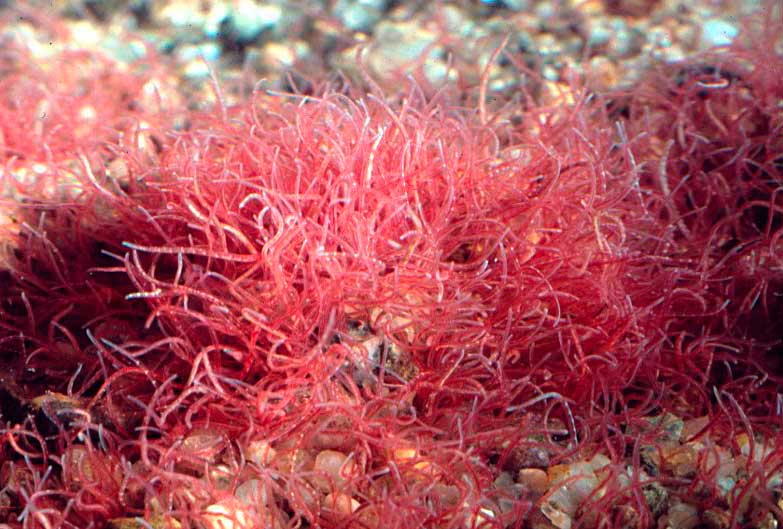
If you’ve been keeping aquariums for a while, you know that live food retains its nutritional properties because it doesn’t undergo additional processing. Many fish species don’t thrive on a monotonous diet of dry food alone. Improper nutrition can cause developmental delays, diseases, infertility, and even death. Today I’ll share how to diversify your fish’s menu with live foods, focusing on one of the most traditional options.

Clown Loach: Care Guide and Tank Requirements
Natural Habitat and Distribution
The clown loach (Botia macracantha, currently classified as Chromobotia macracanthus) inhabits fast-flowing rivers on the islands of Sumatra and Borneo in Indonesia. In their natural environment, these fish can reach impressive lengths of 30-40 centimeters. Under aquarium conditions, they typically grow to 15-20 centimeters, though with proper care they can achieve up to 25 cm.

Madagascar Rainbowfish: Care and Breeding Guide
Introduction
The Madagascar Rainbowfish (Bedotia geayi) is a representative of the Bedotiidae family that allows you to experience the remarkable fauna of Madagascar right in your home aquarium. This species was discovered in Madagascar and described by Pellegrin in 1907. The fish first reached Europe in 1958.
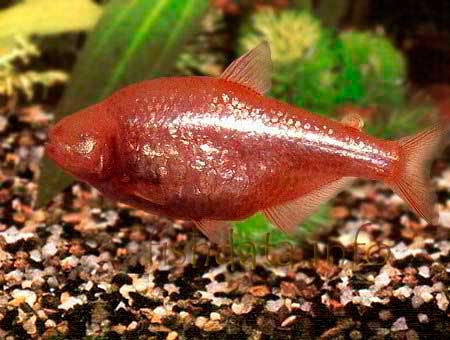
Blind Cave Fish: Care Guide and Fascinating Adaptations
Description and Origin
The blind cave fish (Astyanax mexicanus) is a species of freshwater ray-finned fish from the characin family. This remarkable creation of nature possesses an unlimited capacity for adaptation. In the wild, this fish inhabits the lower reaches of the Rio Grande, Nueces, and Pecos rivers in Texas, as well as central and eastern Mexico.
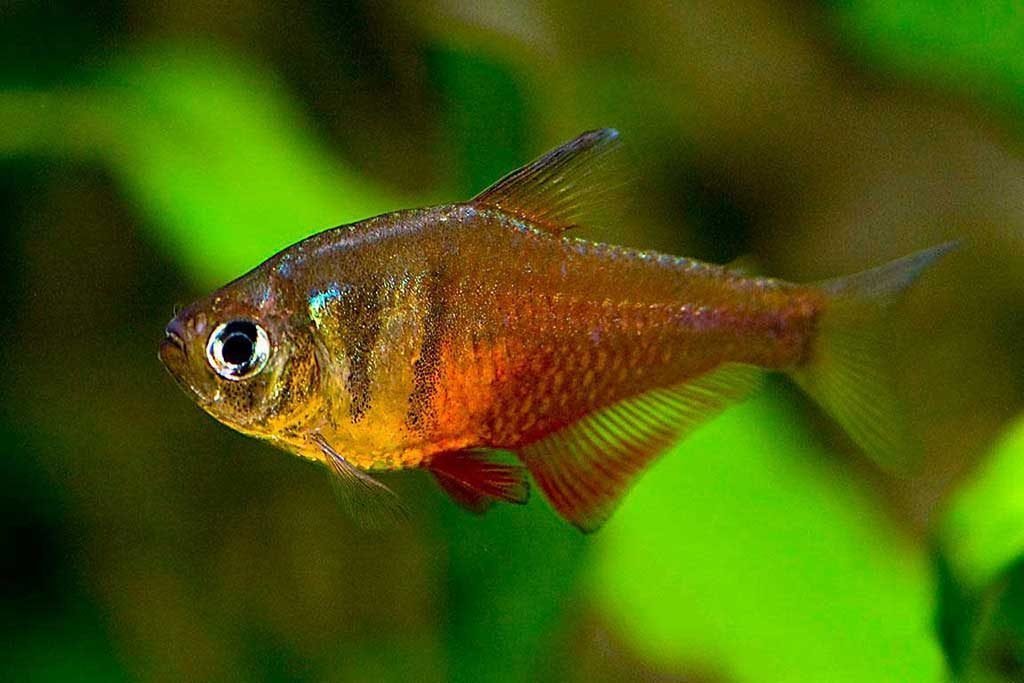
Flame Tetra Care: Complete Guide for Aquarium Keepers
The flame tetra has been a staple in home aquariums since the 1920s. Thanks to its vibrant coloration, small size, relatively easy care requirements, and straightforward breeding, this little fish has won the hearts of multiple generations of aquarists. In my experience, the flame tetra remains an excellent choice for beginning aquarium keepers — despite the influx of new species available in recent years, all members of the characin family, including the flame tetra, deserve just as much attention from modern hobbyists as they did in the past.
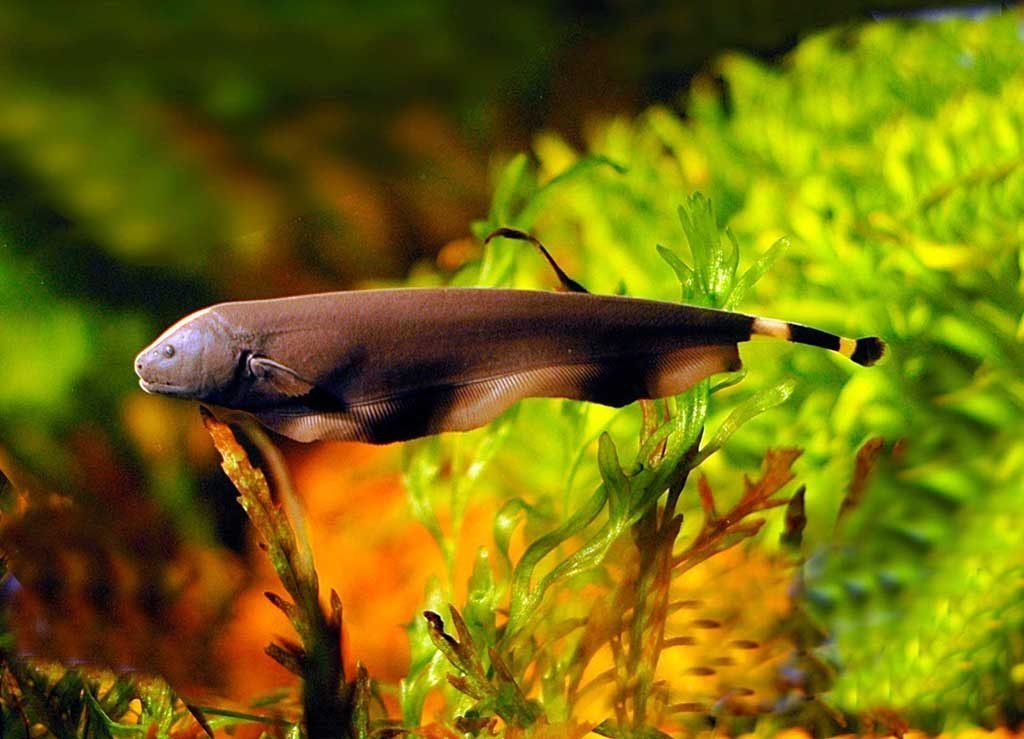
Black Ghost Knifefish Care Guide (Apteronotus albifrons)
The Black Ghost Knifefish (Apteronotus albifrons) is one of the most unusual representatives of aquarium fauna, attracting attention with its unique body shape and graceful movements. This fish is also known as the black knife or black ghost knife. In my experience, keeping this species requires specific knowledge and preparation, but the result is worth it—watching these elegant creatures is a true pleasure.
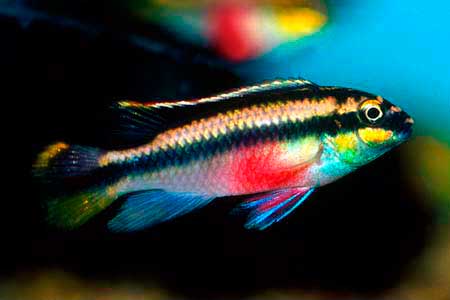
Kribensis: Pelvicachromis pulcher Care Guide
Introduction to Kribensis
Kribensis, scientifically known as Pelvicachromis pulcher, are perfect for aquarists who want to experience the fascinating world of cichlids without maintaining a massive tank. A pair of these fish thrives in a 50-liter aquarium, though I recommend 70-80 liters for optimal comfort. By cichlid standards, these are remarkably modest requirements. Kribensis belong to the dwarf cichlid category, and their small size, vibrant coloration, easy sex differentiation, and relatively peaceful temperament make them a welcome addition to most community aquariums.
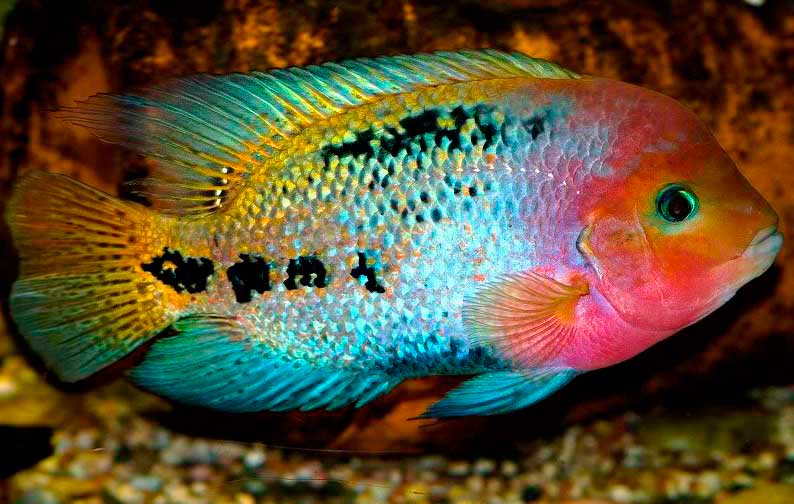
Redhead Cichlid: Care Guide and Tank Requirements
Redhead Cichlid (Vieja synspila) is a large and striking aquarium fish that captivates with its unusual coloration and fascinating behavior. Keeping this beauty requires a spacious tank, but the vibrant appearance and remarkable personality more than compensate for the need for ample space. True cichlid enthusiasts inevitably seek to get better acquainted with this species.
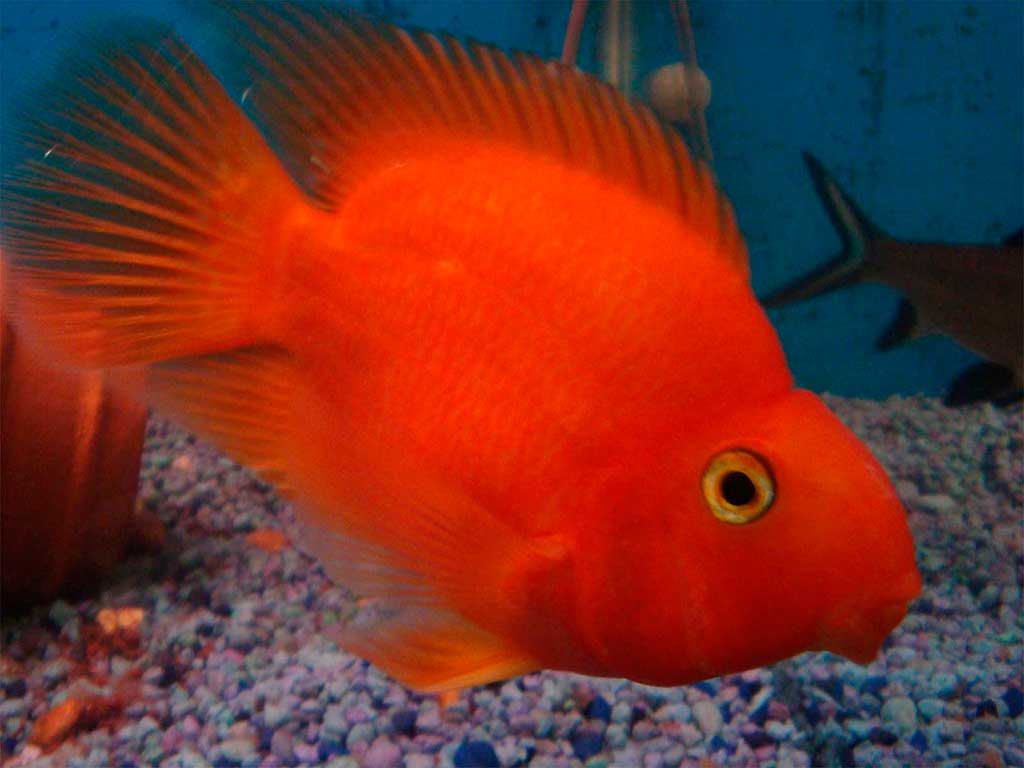
Blood Parrot Cichlid: Care, Compatibility & Tank Setup
Origin and Synonyms
Common names: Cichlasoma hybr. “Red Parrot”, Red Parrot, Blood Parrot Cichlid, Parrot Cichlid.