Understanding the Albino Cory Catfish
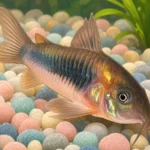
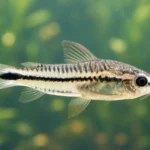
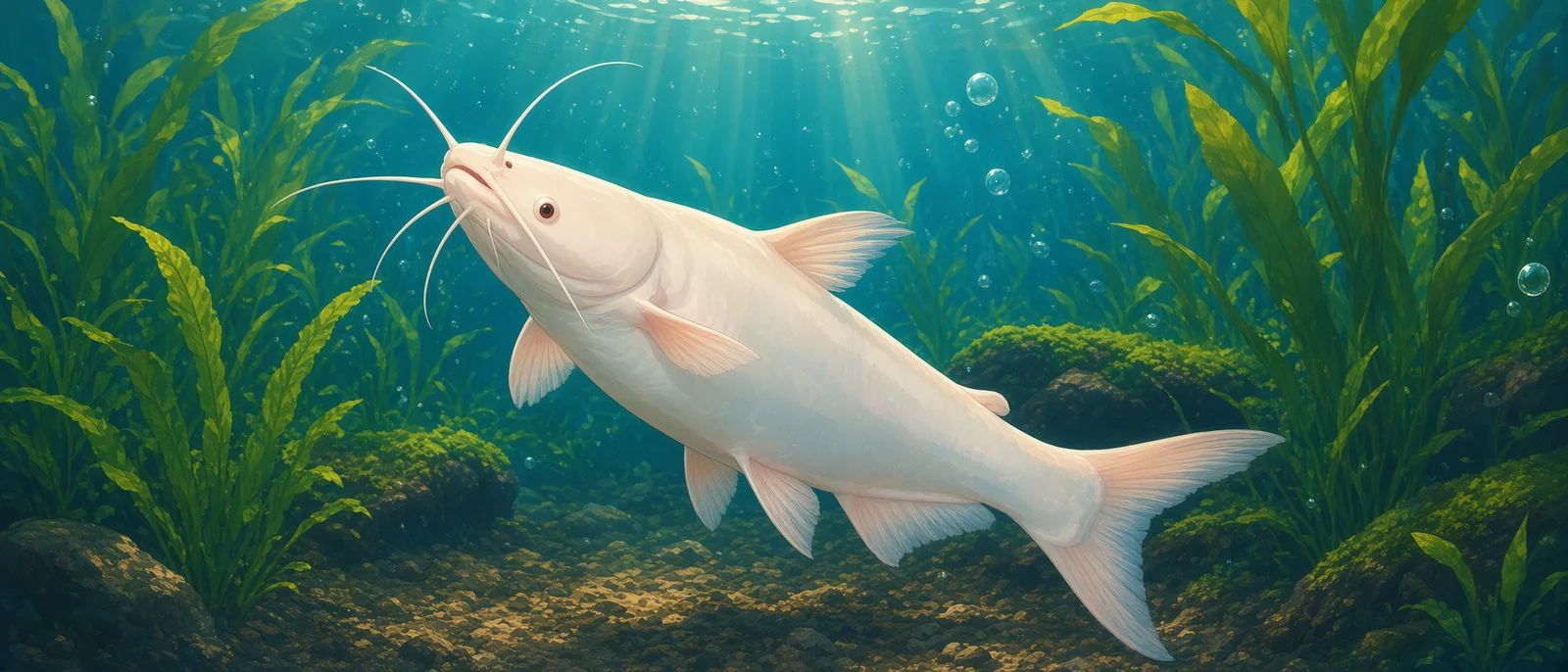
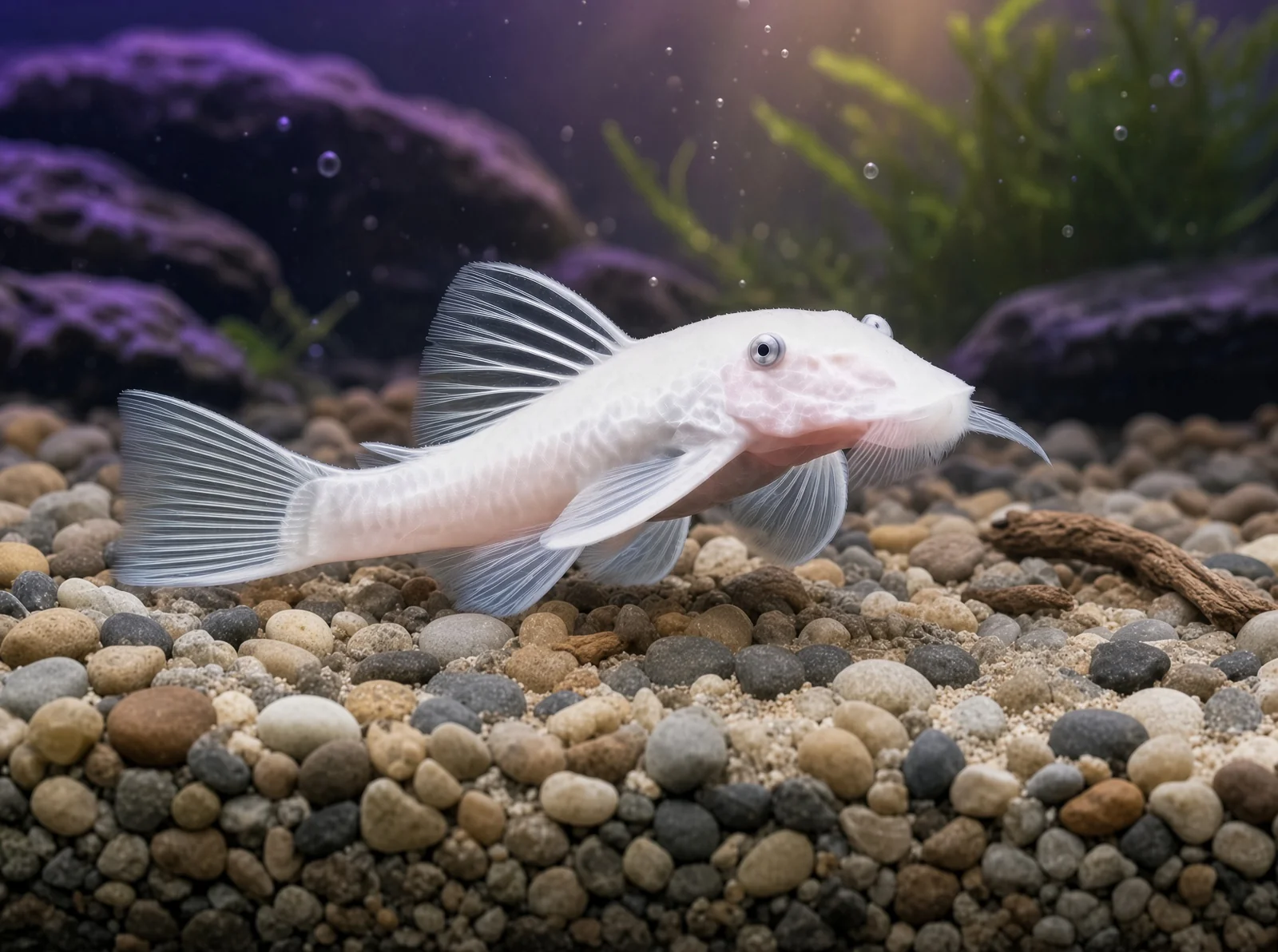
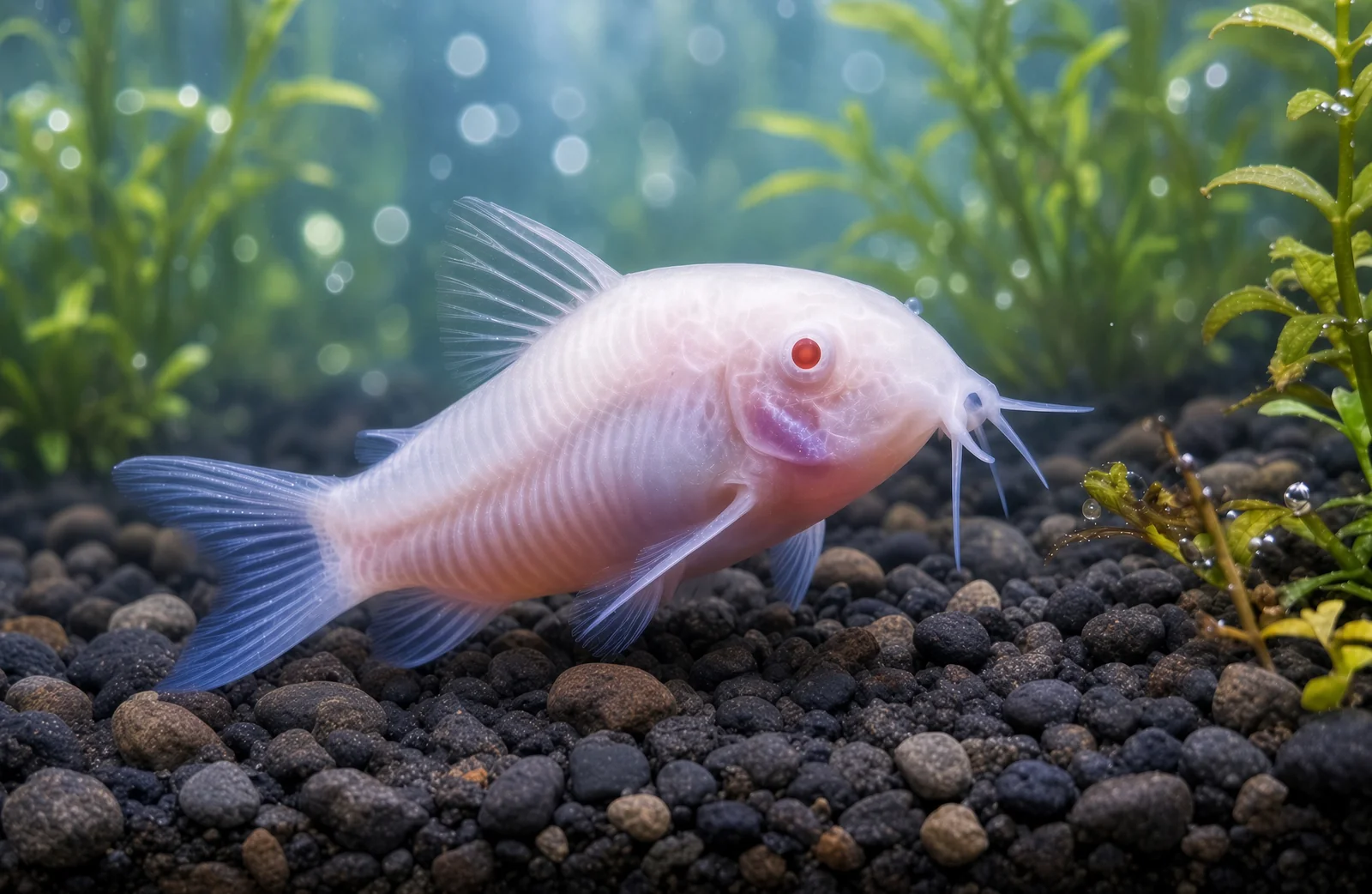
The albino cory catfish is a stunning color variation of the common Corydoras paleatus, distinguished by its complete lack of pigmentation. These fish display a pinkish or golden body tone with characteristic red eyes that make them stand out in any aquarium setup. In my experience, they create a beautiful contrast against darker substrates, becoming genuine focal points in community tanks.
Albino forms maintain identical care requirements and breeding characteristics as their pigmented counterparts. They readily interbreed and preserve all typical species traits. Males typically reach four to five centimeters in length, while females grow larger—up to eight centimeters. With proper maintenance, these fish enjoy lifespans exceeding six to eight years.
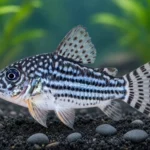
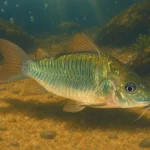
Like all corydoras species, albino cory catfish exhibit bottom-dwelling behavior with peak activity during nighttime hours. Their most distinctive feature is the cluster of sensitive barbels around the mouth, which they use for navigation and locating food particles on the substrate.
Tank Requirements for Albino Cory Catfish
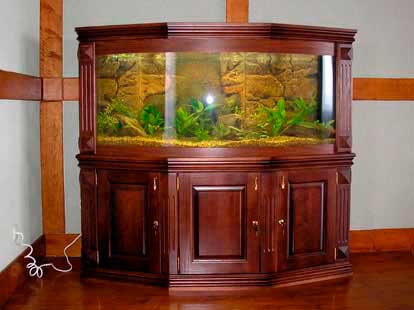
A group of three to four fish requires an aquarium exceeding thirty liters in volume. The optimal water temperature ranges from eighteen to twenty-four degrees Celsius, though these hardy creatures tolerate significant fluctuations—from fifteen to thirty degrees.
Substrate selection demands particular attention. The tank bottom should feature a thick layer of moderately fine sand mixed with small pebbles. Sharp-edged gravel must be avoided—corys actively forage along the substrate and can injure their delicate barbels on rough surfaces.
These fish appreciate resting spots: driftwood pieces, stone caves, and dense vegetation along the back and side walls. Albino cory catfish periodically surface for atmospheric oxygen, as they possess auxiliary intestinal respiration—this normal behavior requires no intervention.
An interesting characteristic of these fish is their ability to survive in infrequently changed water. However, I recommend regular partial water changes of approximately thirty percent weekly to prevent disease development.
Feeding Your Albino Cory Catfish
Albino cory catfish are omnivorous, but optimal health requires at least one-third plant matter in their diet. These fish serve as natural tank cleaners, consuming algae growth and leftover food from the substrate, which helps maintain aquarium cleanliness.
Suitable live foods include bloodworms, glassworms, tubifex, daphnia, and chopped earthworms. Among dried options, they readily accept gammarus and daphnia. For prepared foods, they particularly enjoy grated beef heart. Specialized sinking tablets and wafers designed for bottom-feeders provide convenient feeding solutions.
Optimal feeding frequency is once or twice daily for adults and two to three times for juveniles. Feed your catfish preferably in the evening, one to two hours before lights-out, after most other fish have finished eating. This timing allows these unhurried bottom-dwellers to forage peacefully without competition from faster tankmates.
Compatibility with Other Fish Species
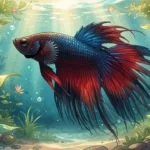
Albino cory catfish are calm, peaceful, and completely non-aggressive. These herbivorous bottom-dwellers coexist harmoniously with virtually all aquarium inhabitants. They thrive alongside popular species like swordtails and bettas.
Choose tankmates of similar size, ensuring they lack aggressive tendencies. Excellent companions include various goldfish varieties—comets, ranchus, or wakins. Their peaceful temperament allows cohabitation even with unusual breeds like bubble eyes and celestial eye goldfish.
Their bottom-dwelling lifestyle means albino cory catfish occupy a distinct ecological niche, avoiding competition with fish inhabiting middle and upper water layers.
Breeding Albino Cory Catfish
Sexual maturity occurs around eight months of age. Successful breeding requires one female and two males, though some breeders recommend even more males per female to increase spawning success rates.
Before spawning, condition the fish with chopped bloodworms—this food positively influences milt and egg quality. Trigger breeding by lowering water temperature to seventeen to eighteen degrees Celsius.
Spawning tank parameters should include: temperature nineteen to twenty-one degrees, hardness up to fifteen, pH six to seven. The breeding tank requires strong aeration and oxygen saturation—ensure robust air circulation.
Critical consideration: while the catfish deposits eggs successfully, adults may consume them. Maintain separate tanks for spawning and fry rearing. Remove parents immediately after egg-laying completes.
Health and Disease Prevention
The most common ailment affecting albino cory catfish is ich (Ichthyophthirius multifiliis) with secondary bacterial infections. Infected fish develop numerous small white spots across their bodies. The albino coloration makes disease detection particularly straightforward during early stages.
Disease prevention centers on regular water changes—approximately thirty percent of tank volume weekly. Monitor food quality carefully and avoid aquarium overcrowding.
Upon detecting initial disease symptoms, isolate affected fish and begin treatment with appropriate medications. Timely attention to behavioral and appearance changes helps prevent serious health complications.
Final Thoughts
The albino cory catfish represents an undemanding and beneficial species suitable for both novice and experienced aquarists. Its adaptability to varied conditions, peaceful disposition, and natural cleaning abilities make this fish a welcome addition to community aquariums. Following straightforward care and feeding guidelines ensures these charming bottom-dwellers will provide enjoyment for many years.