What Makes Synodontis Catfish Special
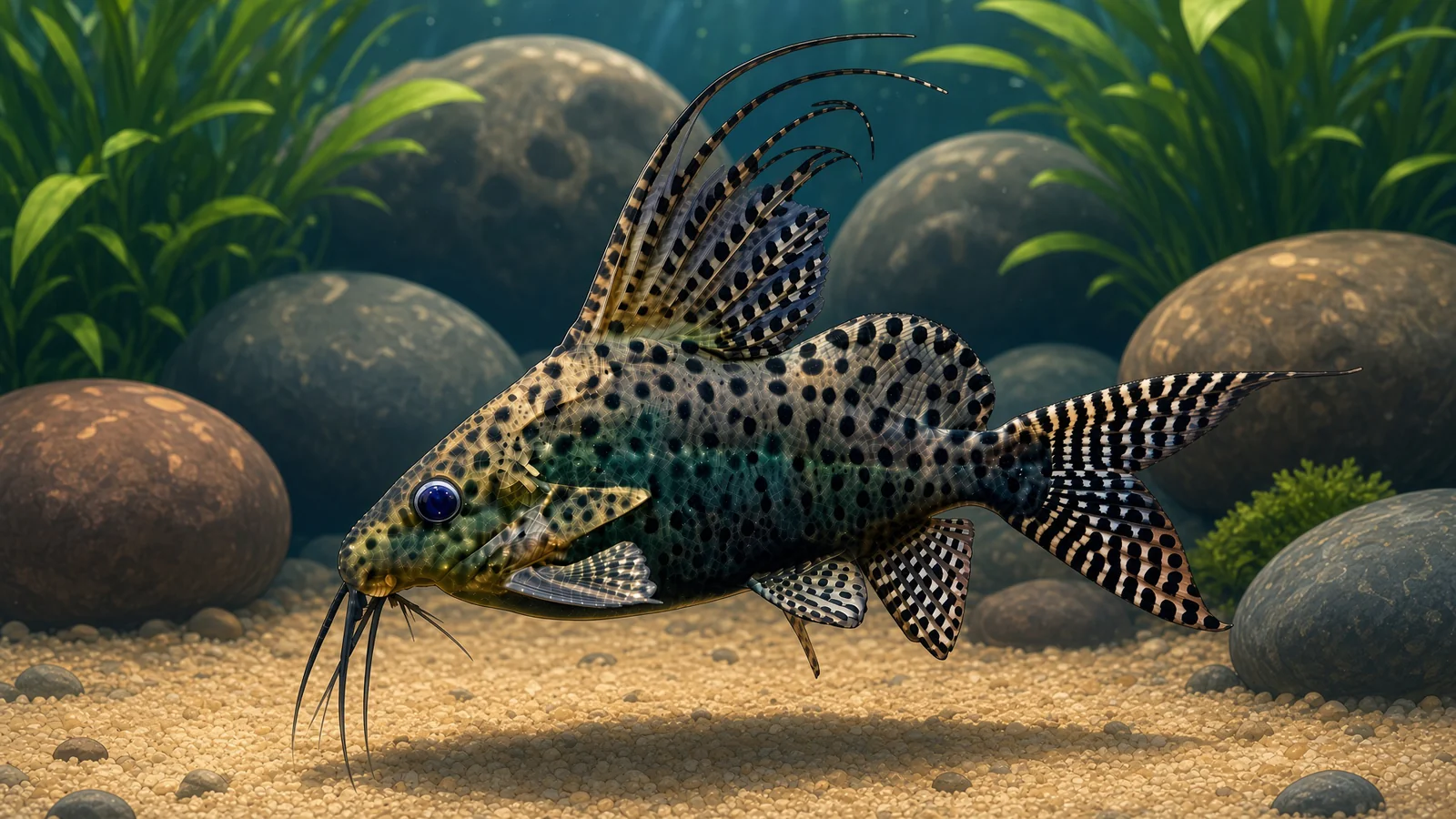
The synodontis catfish stands out as one of the most fascinating African aquarium fish available to hobbyists today. Belonging to the family Mochokidae, the genus Synodontis includes over 130 species native to rivers and lakes across Central, Eastern, and Western Africa. These catfish captivate aquarists not only with their distinctive appearance but also with their remarkable ability to swim upside down—a behavior that helps them hunt insects from the water surface.
The genus name derives from Greek words meaning “together” and “tooth,” referring to the characteristic jaw structure of these fish. The lower jaw teeth fuse together, numbering between 40 and 65. In the wild, synodontis catfish inhabit major African river basins including the Congo, Niger, Nile, and Zambezi, as well as Lakes Chad, Malawi, Tanganyika, and Victoria. Many species are endemic to specific water bodies, making them particularly valuable to collectors.
Synodontis first reached Europe in 1950 and quickly gained popularity among exotic fish enthusiasts. Depending on the species, these catfish range from 6 to 30 cm in length, with a lifespan reaching 15 years under proper care conditions.
Physical Characteristics and Appearance
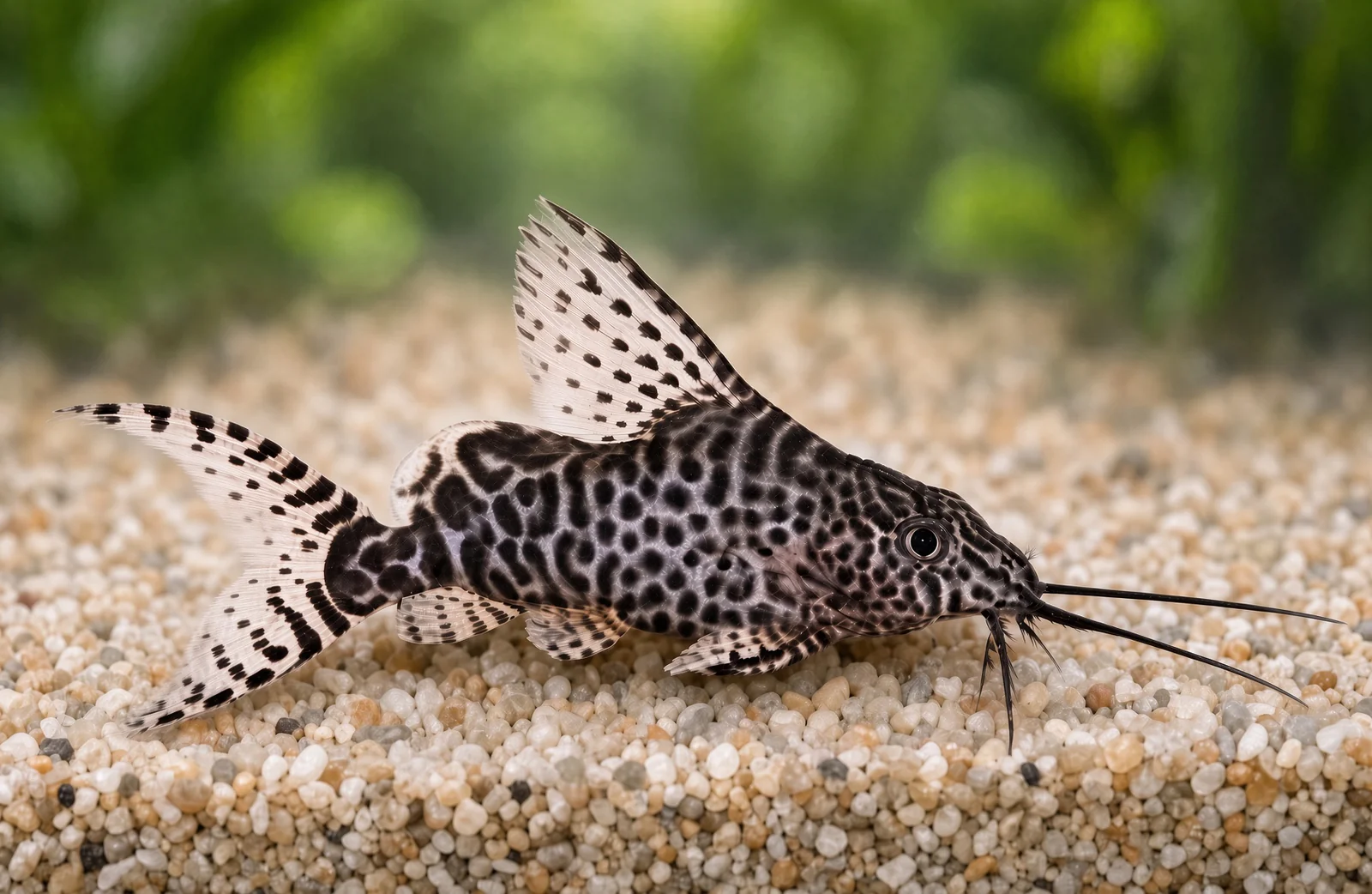
The synodontis catfish body is elongated and slightly laterally compressed, with a characteristic dorsal arch that curves more prominently than the ventral line. The skin is tough and covered with abundant protective mucus. The inferior mouth features three pairs of sensitive barbels that help the fish navigate murky water and locate food. Large eyes provide excellent vision even in low-light conditions.
The triangular dorsal fin contains one or two powerful spines that serve as defense against predators. The tail fin is forked, while a large rounded adipose fin gives the fish its characteristic silhouette. Coloration varies by species and may be light yellow, brown, or gray-beige with distinctive dark spots or stripes, while the belly typically remains pale and unpatterned.
Synodontis Catfish Behavior and Tank Requirements
These catfish are predominantly nocturnal, preferring to hide in shelters during daylight hours. In nature, synodontis live in small groups, so keeping them in groups of 4–6 individuals in the aquarium is recommended. This group size allows the fish to feel secure and display natural behaviors.
One of the most remarkable features of many synodontis species is their ability to swim belly-up. This unique swimming style helps them catch insects from the water surface and gather food from the undersides of broad plant leaves. In my experience, watching this unusual behavior never fails to amaze both seasoned aquarists and beginners alike.
Synodontis can produce squeaking sounds using the rigid rays of their pectoral fins when frightened or during spawning. This sound serves as communication between individuals and a warning of potential danger.
Tank size should range from 80 to 200 liters depending on the species and number of individuals. Providing numerous hiding places in the form of driftwood, rocks, caves, and grottos is essential, as these give the catfish places to rest during the day. Plants should have strong root systems, as synodontis dig through substrate searching for food.
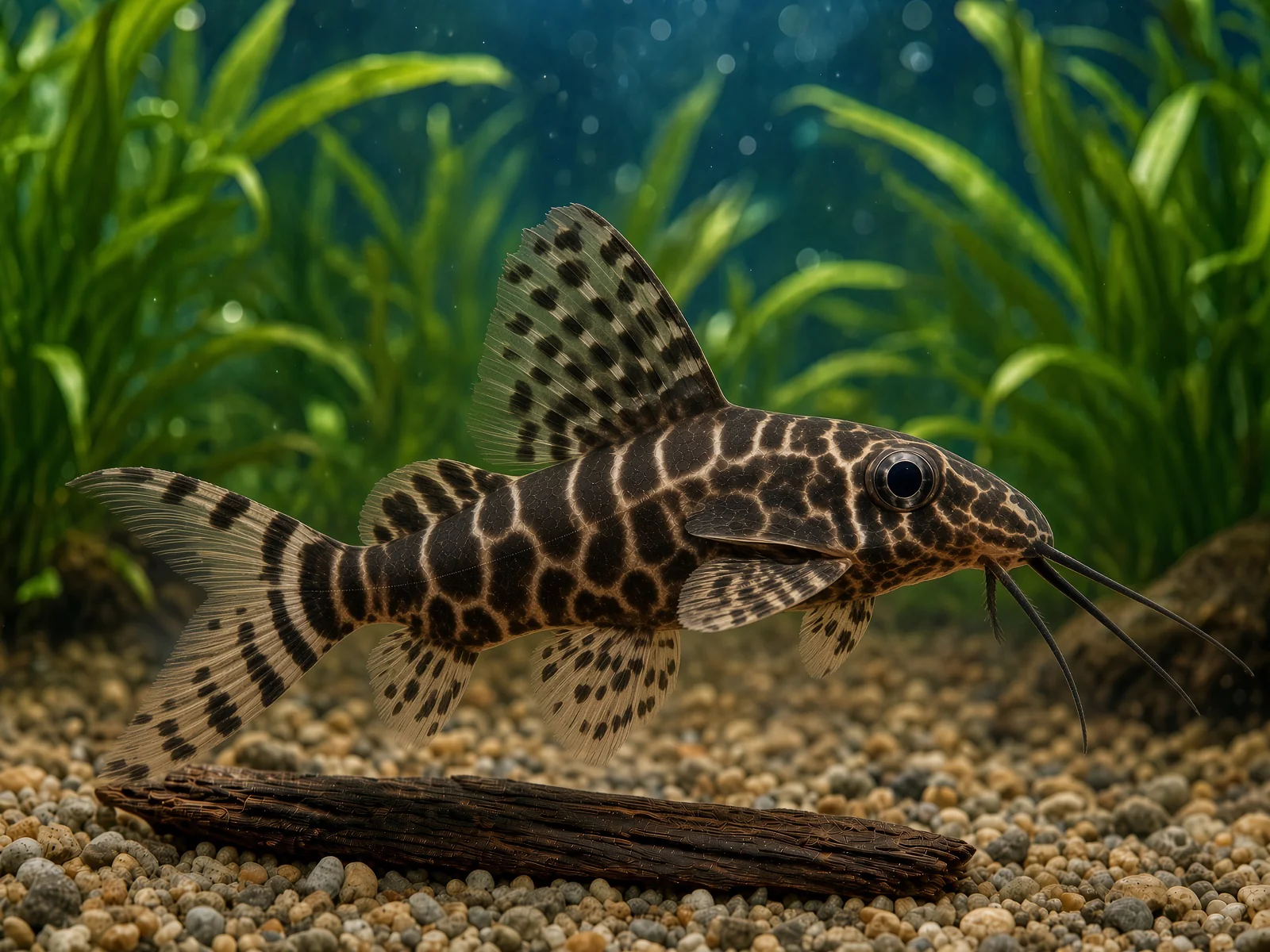
Use gravel or smooth sand as substrate to avoid damaging the sensitive barbels. Lighting should be moderate or subdued—bright light can stress these nocturnal inhabitants.
Water Parameters and Equipment
The synodontis catfish is relatively hardy regarding water conditions, but maintaining stable parameters is crucial for health and longevity. Temperature should range between 22–28°C, pH between 6.5–8.0, and hardness between 4–20 dH. These values correspond to natural African water conditions and ensure comfortable living.
Effective filtration and aeration are necessary, as synodontis are sensitive to water quality. Weekly water changes of 10–25% with fresh, dechlorinated water are recommended. This helps maintain low levels of nitrogenous compounds and prevents accumulation of harmful substances.
A powerful filter should provide both mechanical and biological filtration. Synodontis produce considerable waste, especially when fed protein-rich foods, so filter capacity should match tank volume and inhabitant numbers.
Feeding Your Synodontis Catfish
These catfish are omnivorous and function as cleanup crew, removing algae growth and organic debris from the aquarium. However, this doesn’t mean they can survive on leftovers alone—proper nutrition is essential for health and activity.
The diet should include approximately 70–80% animal-based food and 20–30% plant matter. Suitable animal foods include bloodworms, tubifex, glassworms, daphnia, shrimp, and fish fillets. Plant foods can include lettuce and dandelion leaves, blanched oat flakes, and cucumber.
Feed synodontis in the evening when they become active. Daytime feeding may result in more agile tankmates consuming all food before the catfish emerge from hiding. Food quantity should be enough for the fish to consume within 5–10 minutes—leftover food pollutes water and can cause quality issues.
Compatibility with Other Fish
Synodontis are peaceful and coexist well with most large aquarium fish. They show good compatibility with African cichlids, which share similar water parameter requirements. However, avoid keeping them with small fish that the catfish might mistake for food.
Suitable tankmates include medium to large fish occupying upper and middle water layers. Unlike species such as swordtails or bettas that are active in upper levels, synodontis prefer the bottom zone, reducing territorial competition.
Cohabitation with goldfish is not recommended, as goldfish require cooler water than African catfish. Additionally, synodontis may damage the long fins of slow-moving goldfish.
Breeding in Captivity
Synodontis reach sexual maturity at 1.5–2 years of age. Females are larger and fuller-bodied than males, which becomes especially noticeable before spawning. Aquarium breeding is challenging and often requires hormonal injections, making reproduction a task for experienced aquarists.
Some species from Lake Tanganyika employ parasitic breeding, depositing eggs with mouthbrooding cichlids. Synodontis fry develop faster than cichlid fry and may consume them, providing a survival advantage.
The egg incubation period lasts 30–40 hours at approximately 26°C. Larvae react negatively to light and hide in darkened areas, consistent with their nocturnal lifestyle. Fry begin feeding 3–4 days after hatching, and infusoria, artemia nauplii, and other small foods are used for rearing.
Practical Care Tips
When selecting a synodontis catfish for your aquarium, consider the adult size of the specific species. Some species remain compact (6–10 cm), while others can grow to 30 cm and require significantly more space.
Regularly check barbel condition—they should be intact and undamaged. Broken or shortened barbels may indicate substrate that’s too sharp or aggressive tankmates. I recommend using smooth sand or fine gravel that won’t injure these sensitive organs.
When introducing new fish to the aquarium, provide sufficient hiding places to reduce adaptation stress. Synodontis can be skittish during the first days, and having safe resting spots helps them settle into their new environment more quickly.
Monitor fish behavior during feeding. If synodontis don’t emerge for food or lose weight, more active tankmates may be preventing them from eating. In such cases, increase the number of hiding spots or feed the catfish separately during dark hours.
Synodontis catfish are remarkable fish that will enhance any aquarium and delight with their unusual behavior for many years. With proper care, these African catfish will display their best qualities and become valued members of your underwater community.