What Is a Longfin Bristlenose Pleco
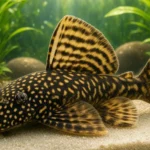
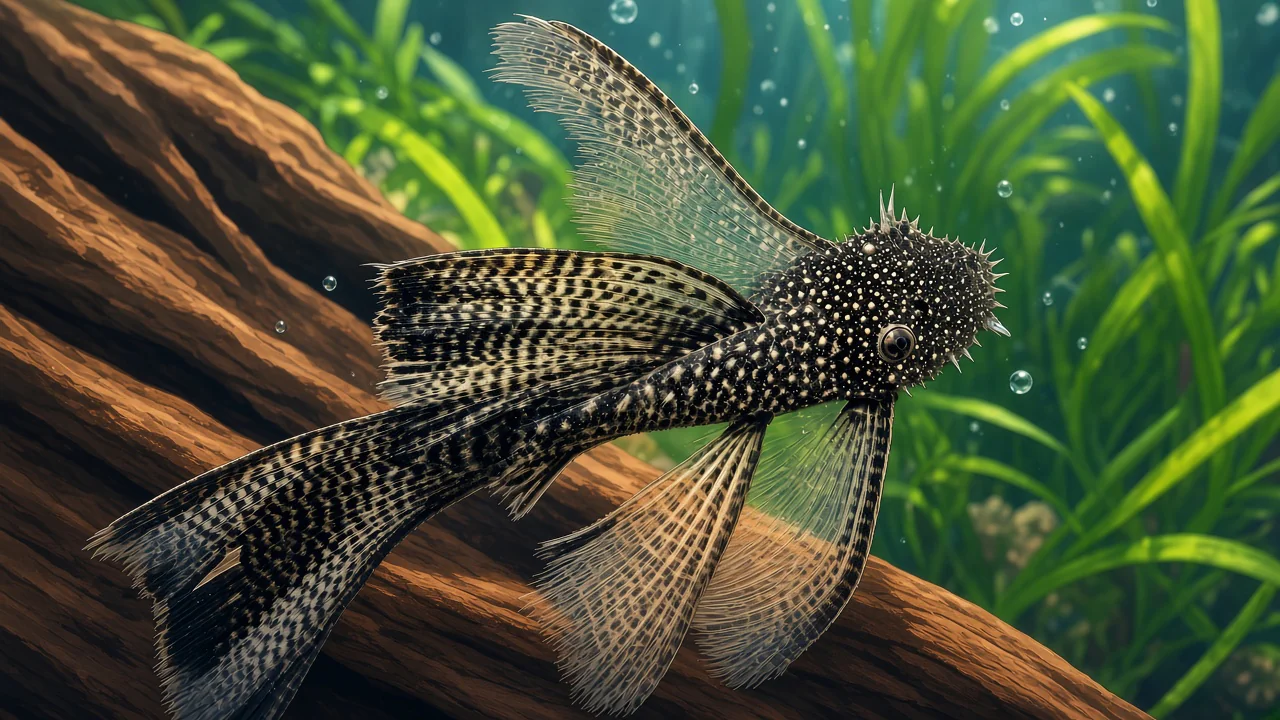
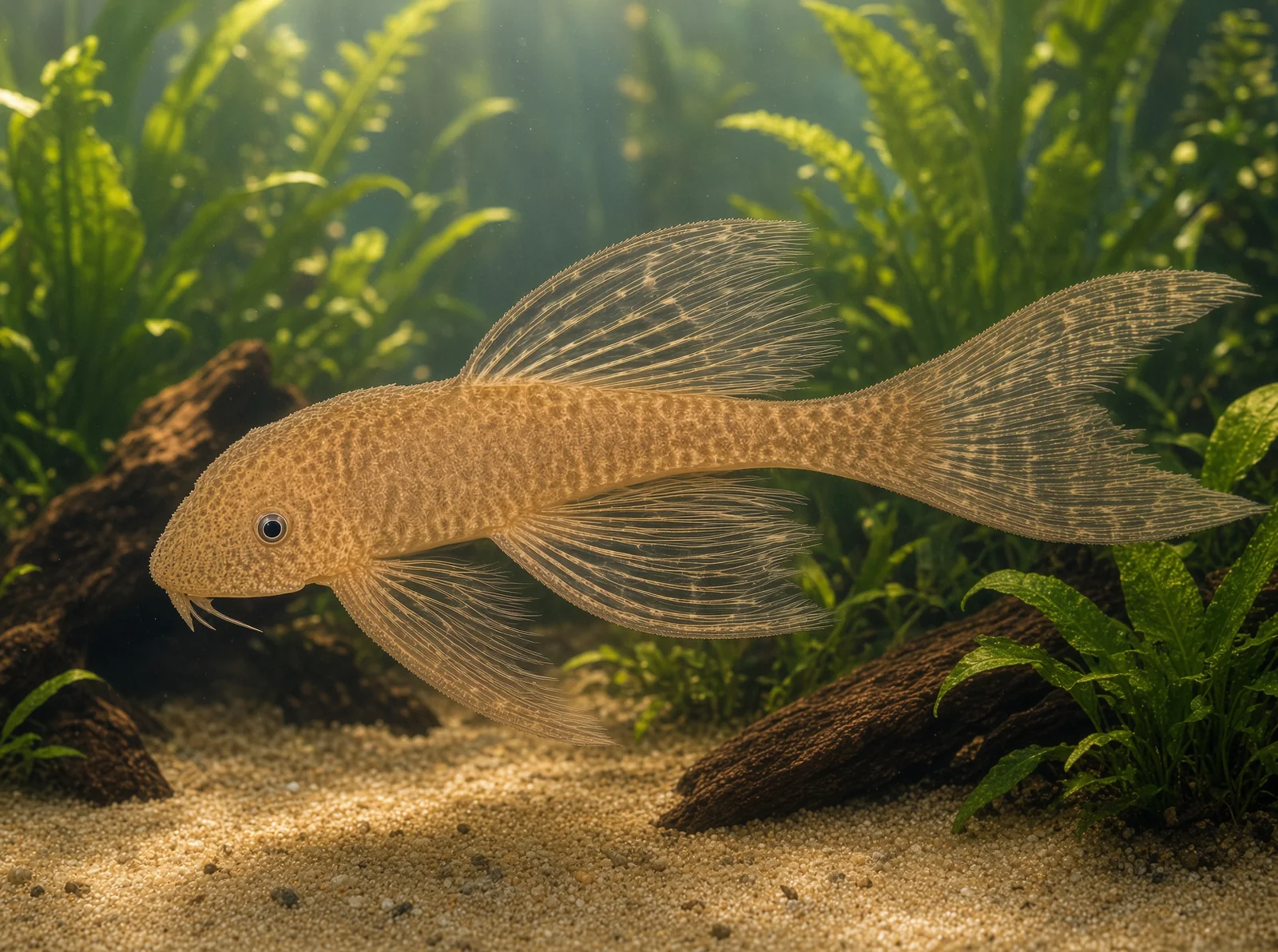
The longfin bristlenose pleco is a selectively bred variant of the common bristlenose catfish, developed specifically for aquarium keeping. You won’t find these fish in the wild. The defining feature that sets this variety apart from standard bristlenose plecos is dramatically elongated fins that can extend three to four times their normal length, creating an elegant, flowing appearance.
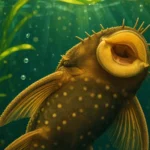
In my experience, watching a longfin bristlenose pleco move through the water resembles the graceful wing movements of a dragonfly—which is why some hobbyists call them veil-tail ancistrus. These fish belong to the Loricariidae family, also known as armored catfish. Their bodies are covered with bony plates that form a protective armor, and their sucker mouth allows them to cling to surfaces while grazing.
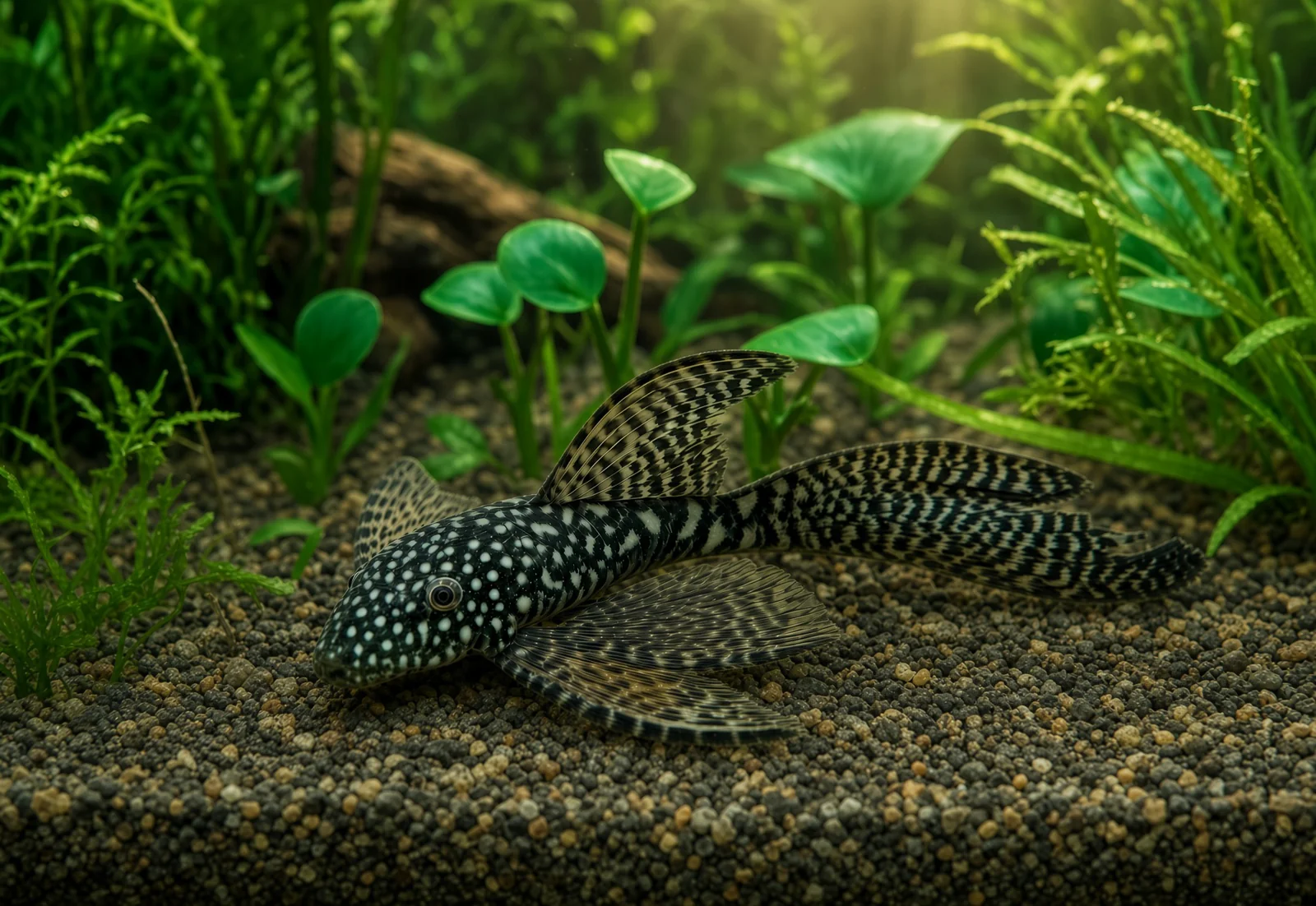
Adult specimens typically reach four to six inches in length. Body coloration is dark olive with small light speckles, while the fins display attractive patterns of stripes and spots. With proper care, these plecos can live six to eight years in captivity.
Tank Requirements for Longfin Bristlenose Plecos
A minimum tank size of fifteen gallons is suitable for keeping longfin bristlenose plecos, though larger is always better. These fish prefer clean, oxygen-rich water, so you’ll need reliable filtration and aeration. Weekly water changes of fifteen to twenty percent are recommended to maintain water quality.
Lighting should be subdued and diffused. Longfin bristlenose plecos are primarily crepuscular, becoming most active during evening hours. During the day, they prefer hiding in shelters and resting spots.
Natural driftwood is essential in the tank—it provides cellulose that aids their digestion. Choose substrate without sharp edges: sand or smooth rounded gravel works best. This consideration is crucial for protecting those delicate flowing fins from damage.
Decorations and hiding spots should also have smooth surfaces. Good options include caves, ceramic tubes, and coconut shell halves. While longfin bristlenose plecos are generally hardy and suitable for beginners, their elaborate fins require extra attention to tank safety.
Feeding and Diet
Plant matter should comprise sixty to eighty percent of a longfin bristlenose pleco’s diet. These fish eagerly consume algae growth on tank walls and decorations, serving as natural cleanup crew members.
Specialized sinking tablets and wafers designed for bottom-dwelling fish containing spirulina make excellent staple foods. These plecos readily accept vegetables—slices of cucumber, zucchini, or blanched spinach can be weighted down or attached with feeding clips.
Protein should also be included in their diet through quality prepared foods or occasional live offerings. Balance is important—avoid overfeeding. Feeding once daily during evening hours when the fish become active works well for most setups.
Compatibility with Other Fish
Longfin bristlenose plecos are compatible with virtually any peaceful community fish. Excellent tankmates include danios, tetras, neons, barbs, and livebearers. They can coexist with medium-sized cichlids provided those species aren’t aggressive.
Avoid housing longfin bristlenose plecos with fin-nipping species. Large aggressive cichlids may pose threats to these peaceful bottom dwellers. Also steer clear of fish requiring bright lighting and strong water flow, as these conditions don’t suit plecos.
These catfish help maintain tank cleanliness and get along well with most popular ornamental species. For instance, they coexist perfectly with swordtails and other livebearers, occupying different water levels and ecological niches.
Distinguishing Males from Females
Male longfin bristlenose plecos are slimmer than females and develop characteristic tentacle-like growths called bristles on their heads. These appendages emerge as the fish mature and indicate sexual maturity. Young specimens may not display them yet.
Females are larger and rounder than males, especially outside breeding periods. Their bodies appear more robust with noticeably fuller bellies. Head bristles are either absent or minimally developed in females.
I recommend acquiring a group of several individuals if you’re planning to breed them—this ensures you’ll have both sexes represented. Keep in mind that males can be territorial toward each other, so provide plenty of hiding spots throughout the tank.
Practical Care Tips
When setting up a tank for longfin bristlenose plecos, avoid decorations with sharp edges. Inspect driftwood and rocks for rough spots that could tear fins. Replace plastic plants with live or silk varieties—they’re much safer for those delicate flowing fins.
Regularly examine your fish for fin damage. If you notice tears or fraying, check all tank furnishings for potential hazards. Sometimes injuries result from excessive filter current or aggressive tankmates rather than decorations.
Maintain stable water parameters and prevent sudden temperature fluctuations. While generally hardy, longfin bristlenose plecos are sensitive to water quality. Monitor nitrate and ammonia levels, performing water changes as needed.
Remember that these plecos aren’t just beautiful additions to your aquarium—they’re helpful algae controllers. However, don’t rely solely on them for tank maintenance. Regular cleaning and proper aquarium balance remain essential for long-term success.