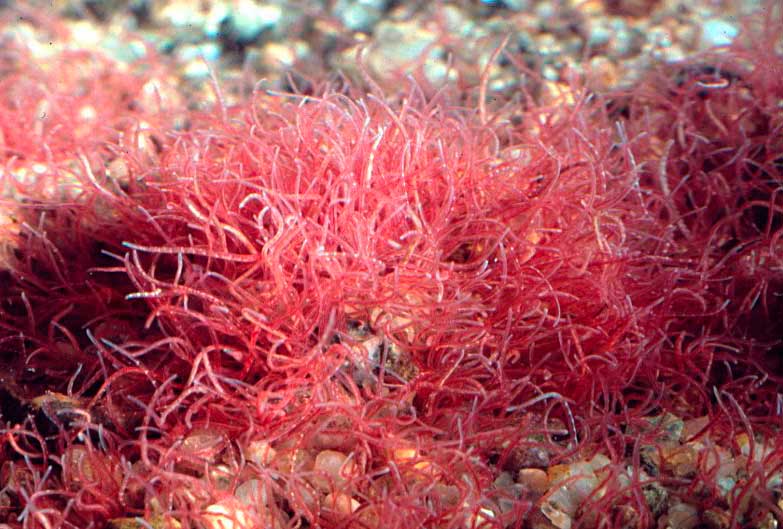
If you’ve been keeping aquariums for a while, you know that live food retains its nutritional properties because it doesn’t undergo additional processing. Many fish species don’t thrive on a monotonous diet of dry food alone. Improper nutrition can cause developmental delays, diseases, infertility, and even death. Today I’ll share how to diversify your fish’s menu with live foods, focusing on one of the most traditional options.
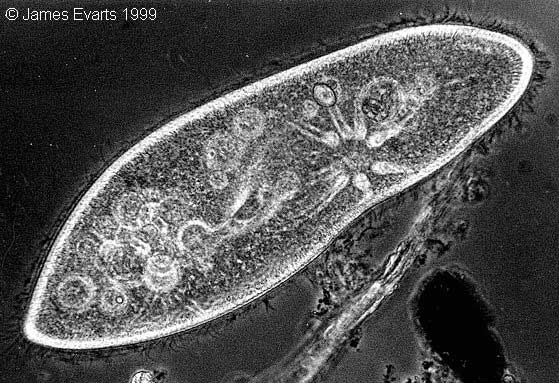
Paramecium Caudatum: Culture Guide for Fry Food
Paramecium caudatum, commonly known as slipper animalcules, are single-celled ciliated microorganisms found in freshwater habitats worldwide. For aquarists, these microscopic creatures represent invaluable starter food for newly hatched fry of egg-laying fish species.
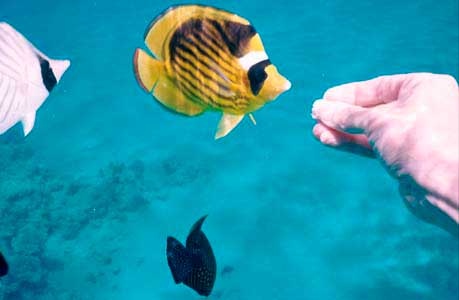
How to Feed Aquarium Fish: Complete Nutrition Guide
How should you feed aquarium fish? This question remains relevant for every generation of aquarists. Despite abundant information available, nature is so diverse that no universal instruction exists. However, there are proven principles that will help you establish proper nutrition for your aquatic pets.
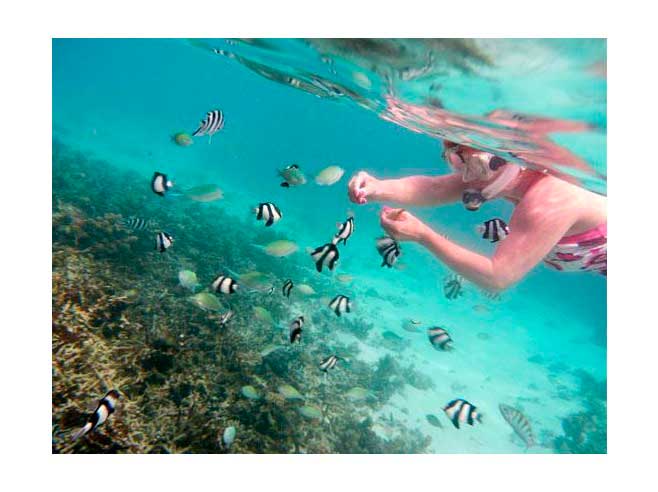
Fish Feeding: Complete Guide to Aquarium Nutrition
Understanding Fish Anatomy and Feeding Behavior
Fish feeding success starts with observing your fish’s body structure. A fish’s anatomy reveals its natural feeding habits and preferences. Species like danios have upward-facing mouths and straight backs, indicating they’re adapted to catch food from the water surface. Their quick movements allow them to snatch fallen insects efficiently.
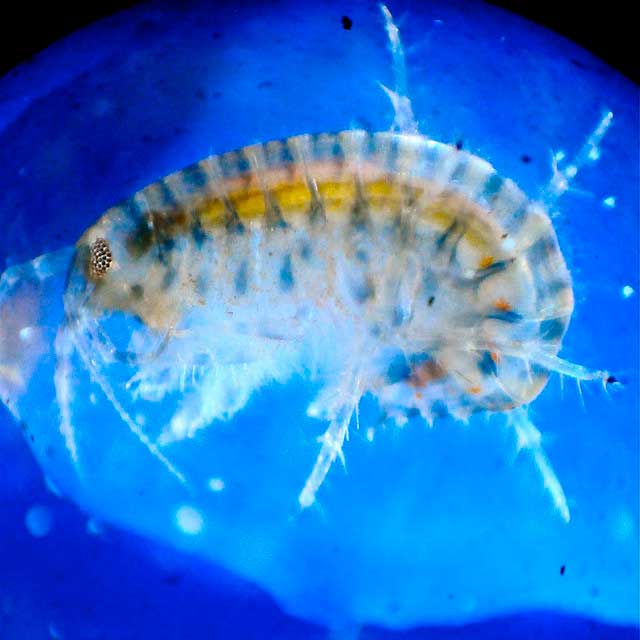
Gammarus Fish Food: Complete Care & Feeding Guide
What is Gammarus Fish Food
Gammarus fish food consists of small freshwater amphipods that have become one of the most popular feeds for aquarium fish. The scientific name of this species is Gammarus pulex, belonging to the order Amphipoda, which contains approximately 10,000 species. These crustaceans are also known as scuds or freshwater shrimp in some regions. Gammarus pulex was first described by Linnaeus in 1758 and is widely used not only in home aquariums but also in commercial fish farming operations.
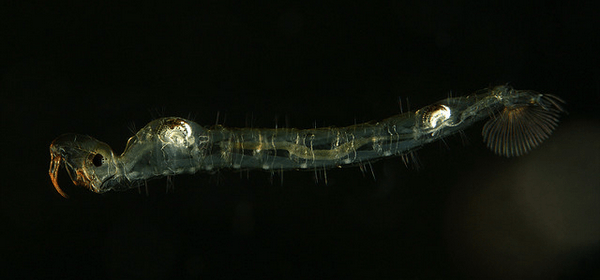
Glassworms as Fish Food: Complete Care Guide
What Are Glassworms?
Glassworms are the larvae of phantom midges from the family Chaoboridae, genus Chaoborus (formerly Corethra). They are widely used as live food for aquarium fish due to their availability and ease of storage. These larvae are found in deep lake shallows, peat bog waters, and forest puddles throughout temperate regions.
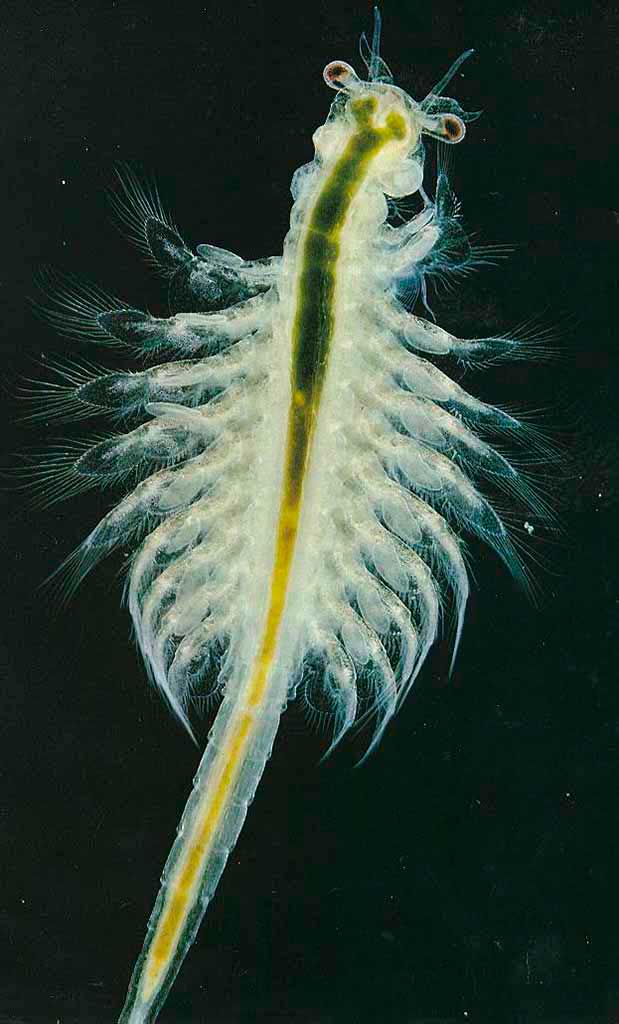
Brine Shrimp: Complete Guide to Artemia salina
Classification and Taxonomy
Kingdom: Animalia Phylum: Arthropoda Subphylum: Crustacea Class: Branchiopoda Order: Anostraca Family: Artemiidae Genus: Artemia Species: Artemia salina

Pipefish
Pipefish is a species of small bristle worms. It has long been used by aquarists to feed aquarium fish. This type of live food for aquarium fish is very nutritious and caloric. Also for fish pipefish common is a treat, and sometimes without it and sometimes you can not do without it at all. A lot of advantages has a common trumpet as food for aquarium fish, but because of the peculiarities of its habitat may not be safe for your underwater world. How to minimize the risk when using this live food read in this article.
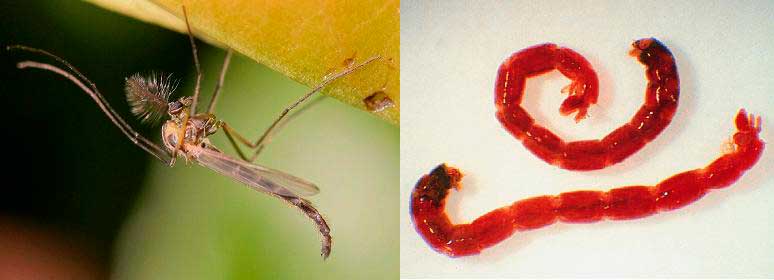
Bloodworm
The bloodworm is the larva of the mosquito derguntz or another name – Chironomus plumosus (Chironomus plumosus). This mosquito got its name for its periodic twitching of its front legs. In contrast to the associations arising at the word “mosquito”, this representative of the mosquito genus does not bite.