Understanding Goldfish as Aquarium Pets
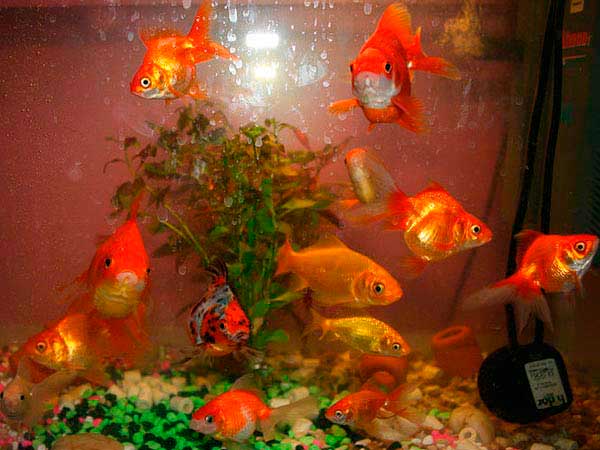
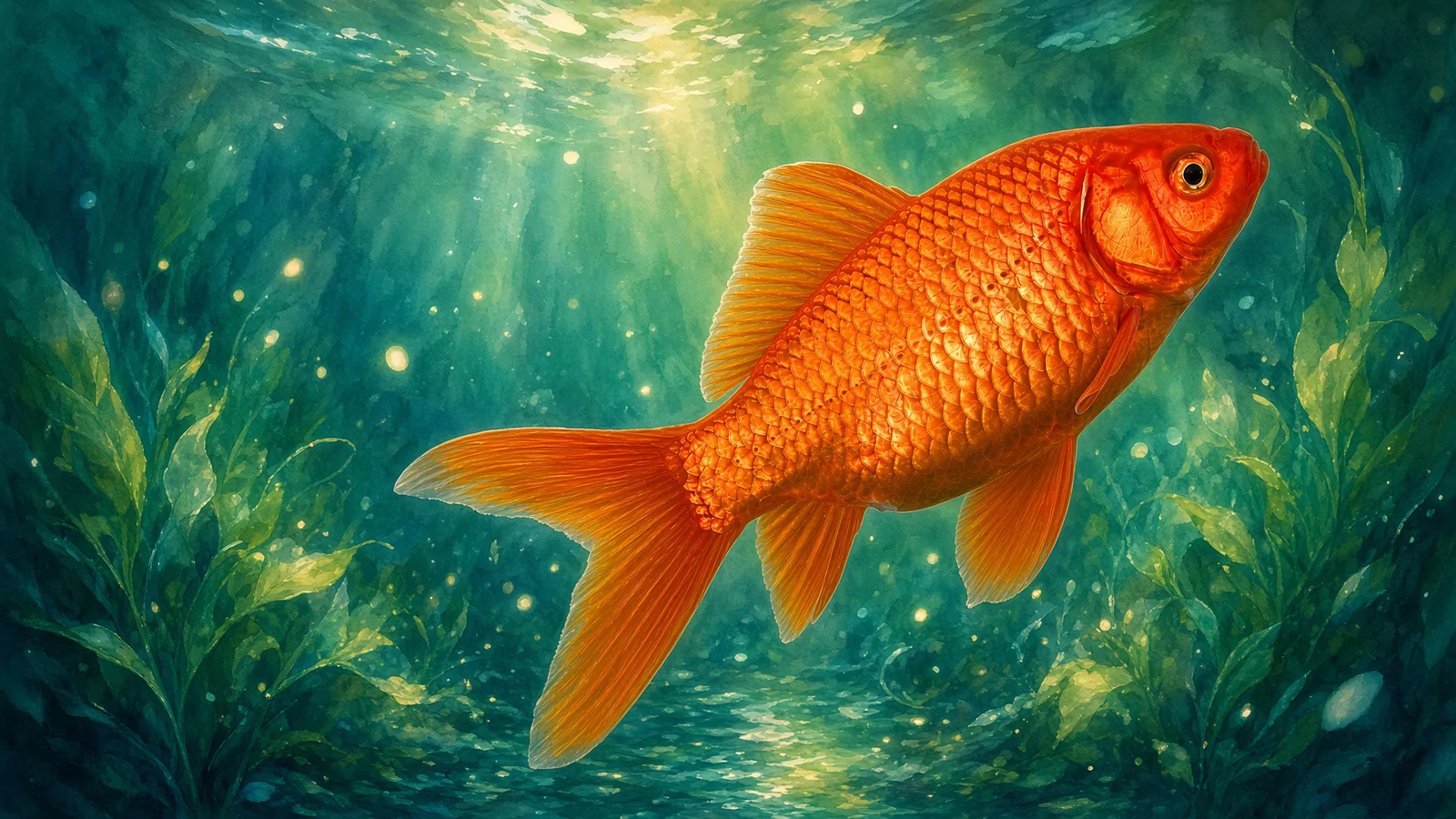
Carassius auratus, commonly known as the goldfish, stands among the most recognizable ornamental fish worldwide. These members of the carp family were domesticated in China over a millennium ago, descended from the silver crucian carp. Through centuries of selective breeding, over 100 varieties have emerged, differing in body shape, coloration, and fin size. In my experience, successful goldfish care requires understanding their specific needs—these coldwater fish demand spacious tanks, robust filtration, and balanced nutrition.
Tank Requirements for Goldfish
The minimum tank volume for a single goldfish is 50 liters, though more space always benefits your pets. In spacious aquariums, goldfish typically reach 15-20 cm, while pond specimens can grow to 30-45 cm in length. Tank shape matters: rectangular vessels providing adequate surface area for gas exchange work best. Round bowls are unsuitable—they distort the inhabitants’ vision and fail to provide sufficient oxygenation.
Substrate should be rounded without sharp edges, as goldfish enjoy foraging through it. Particle size of 3-5 mm prevents accidental ingestion. Live plants often become snacks, so choose hardy species for aquascaping—anubias, cryptocorynes, and sword plants. These tough varieties withstand curious residents’ attention.
Water Parameters and Equipment
Goldfish are coldwater species requiring no heater. Optimal temperature ranges from 18-23 degrees Celsius, matching room temperature in most homes. Water hardness can vary from 6 to 20 degrees, with pH between 6 and 8. When adjusting water chemistry, understanding your baseline parameters proves essential for making informed corrections.
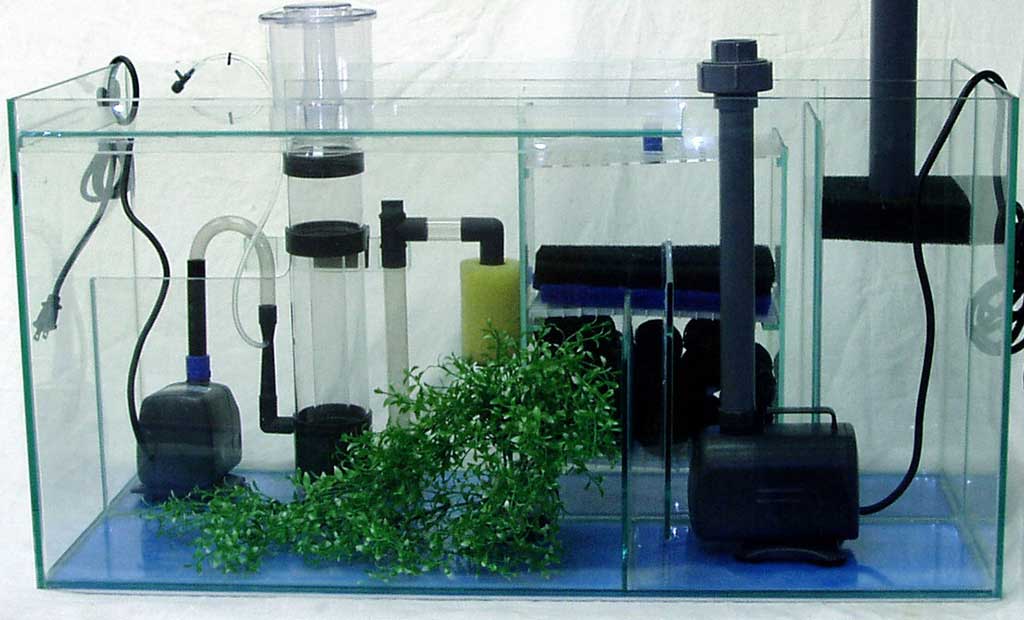
Goldfish care demands powerful filtration—these fish produce substantial waste that rapidly pollutes water. Filter capacity should process 8-10 tank volumes hourly. Strong aeration is mandatory, as these fish require high oxygen levels. Air pumps or diffusers should operate continuously, especially during warmer periods.
Weekly water changes of 25-30% maintain stable conditions and remove accumulated nitrates. When changing water, match temperature closely—new water shouldn’t differ from tank water by more than 2-3 degrees.
Feeding and Diet
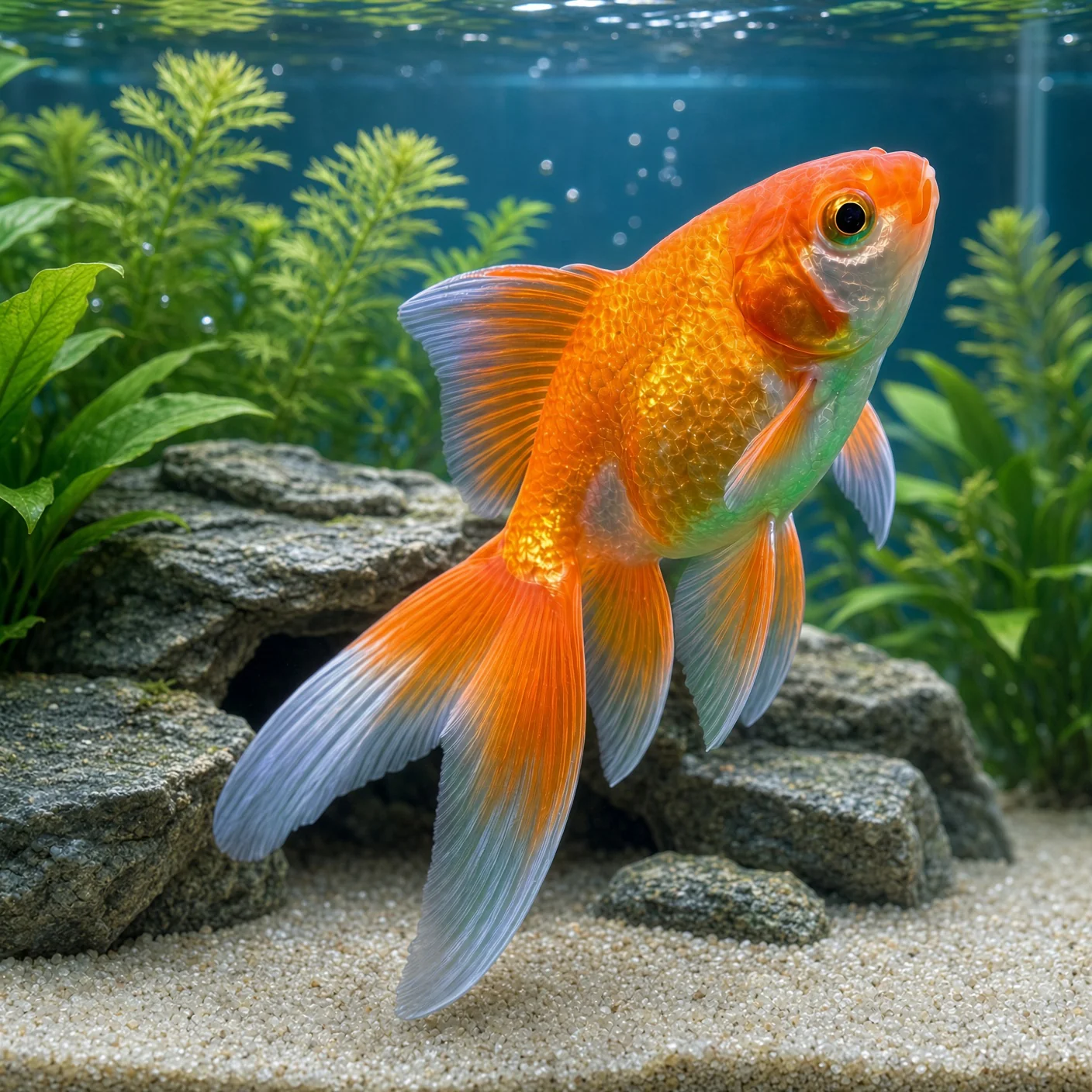
Goldfish are omnivorous, but plant matter should comprise roughly 70% of their diet. Specialized goldfish foods typically contain elevated plant components and spirulina. Feed 2-3 times daily in small portions consumed within 2-3 minutes. Overfeeding causes obesity and digestive issues—goldfish constantly beg for food, but resist their persuasive tactics.
Beyond dry foods, offer live and frozen options—daphnia, brine shrimp, bloodworms—but limit to 2-3 times weekly. Include plant supplements: blanched lettuce, spinach, or zucchini leaves. Implement fasting days 1-2 times weekly to support digestive recovery and prevent obesity.
If fish become lethargic or develop buoyancy problems, overfeeding may be the culprit. Reduce portions and increase plant-based foods in their diet.
Compatibility with Other Fish
Goldfish display peaceful, calm temperaments, but housing them with other species requires caution. Avoid aggressive or hyperactive fish that might nip fins or compete for food. Small fish risk becoming meals, so tankmates should be comparable in size.
Crucially, don’t mix slim-bodied and fancy goldfish varieties in one tank. Decorative fancy breeds move slowly and compete poorly for food, potentially starving alongside fast slim-bodied relatives. Slim-bodied varieties like comets prove hardier and more active, while fancy breeds such as telescopes or ranchu require calmer conditions.
Species-only tanks work best for goldfish care, where all inhabitants share similar temperature and parameter requirements. For mixed communities, select coldwater companions with matching temperaments.
Varieties and Lifespan
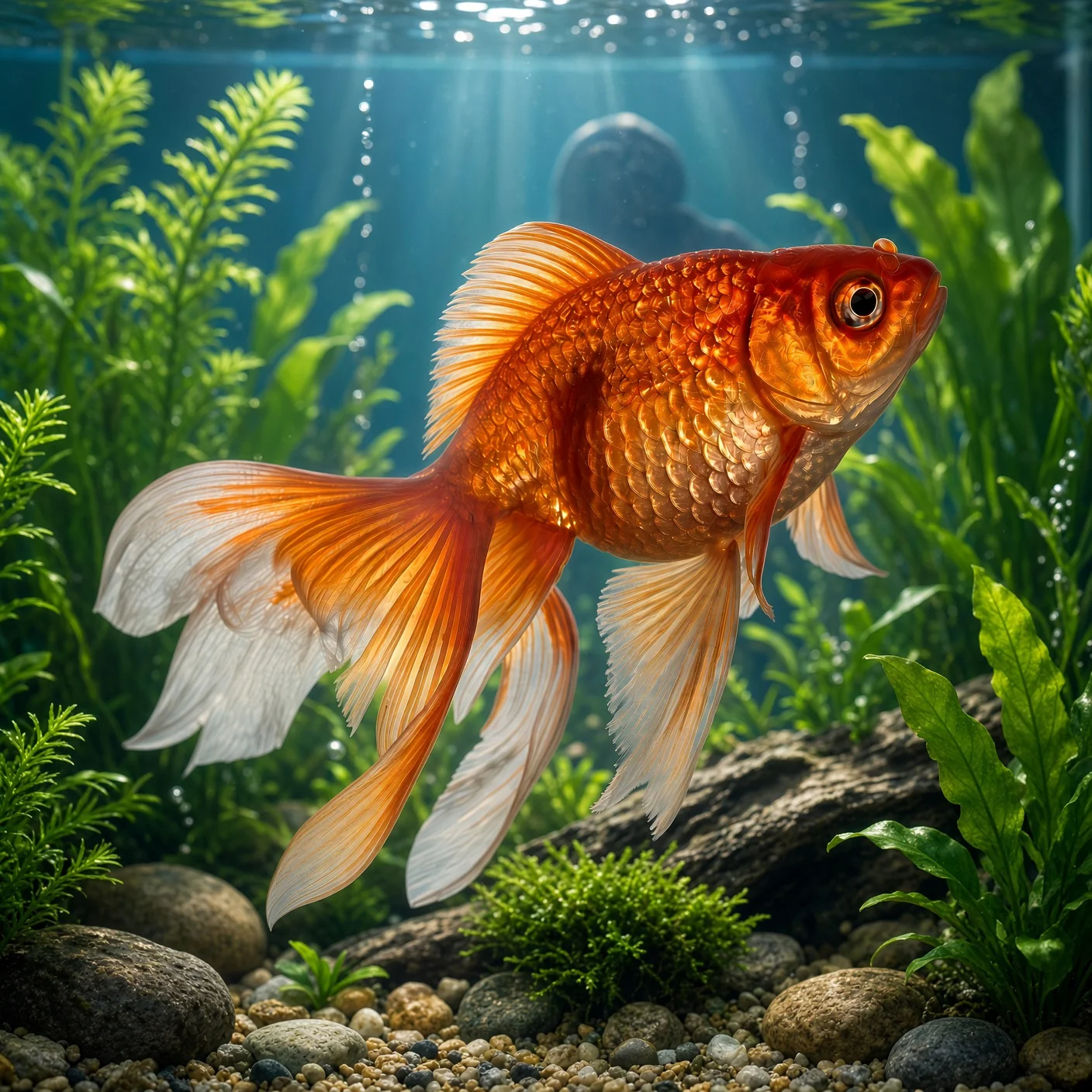
Goldfish divide into slim-bodied and fancy breeds, each with distinct characteristics. Slim-bodied varieties show greater hardiness, swim faster, and live longer—up to 25-30 years with proper goldfish care. Fancy breeds with rounded bodies and ornamental fins prove more demanding and average 10-15 years. Overall lifespan ranges from 10-20 years, heavily influenced by care quality.
Goldfish reach sexual maturity during their first year, though breeding works best with 2-4 year old specimens. Spawning occurs in spring when water temperature rises. Breeding goldfish requires a separate spawning tank of at least 100 liters.
Practical Care Tips
When selecting goldfish, observe activity levels and appearance. Healthy fish swim confidently without listing sideways, display vibrant colors, and have clean, undamaged fins. Avoid specimens showing disease signs—white spots, ulcers, or cloudy eyes.
After purchase, quarantine new fish for 2-3 weeks in a separate container. This prevents introducing infections to your main tank. During quarantine, monitor behavior and appetite closely.
Regularly test water parameters—ammonia and nitrite should remain at zero, with nitrates below 40 mg/l. When readings exceed norms, increase water change frequency and verify filter function.
I recommend maintaining an observation journal documenting water parameters, feeding schedules, and behavioral changes. This helps identify problems early and adjust goldfish care accordingly.
Conclusion
Goldfish make long-lived, recognizable pets that reward proper goldfish care with years of enjoyment. Spacious tanks, powerful filtration, balanced nutrition, and regular maintenance form the foundation of their health. Remember that goldfish are coldwater inhabitants requiring no heater but demanding abundant oxygen and clean water. Choose compatible tankmates, avoid overfeeding, and monitor water parameters—your goldfish will thrive for years, gracing your home with their presence.