Introduction
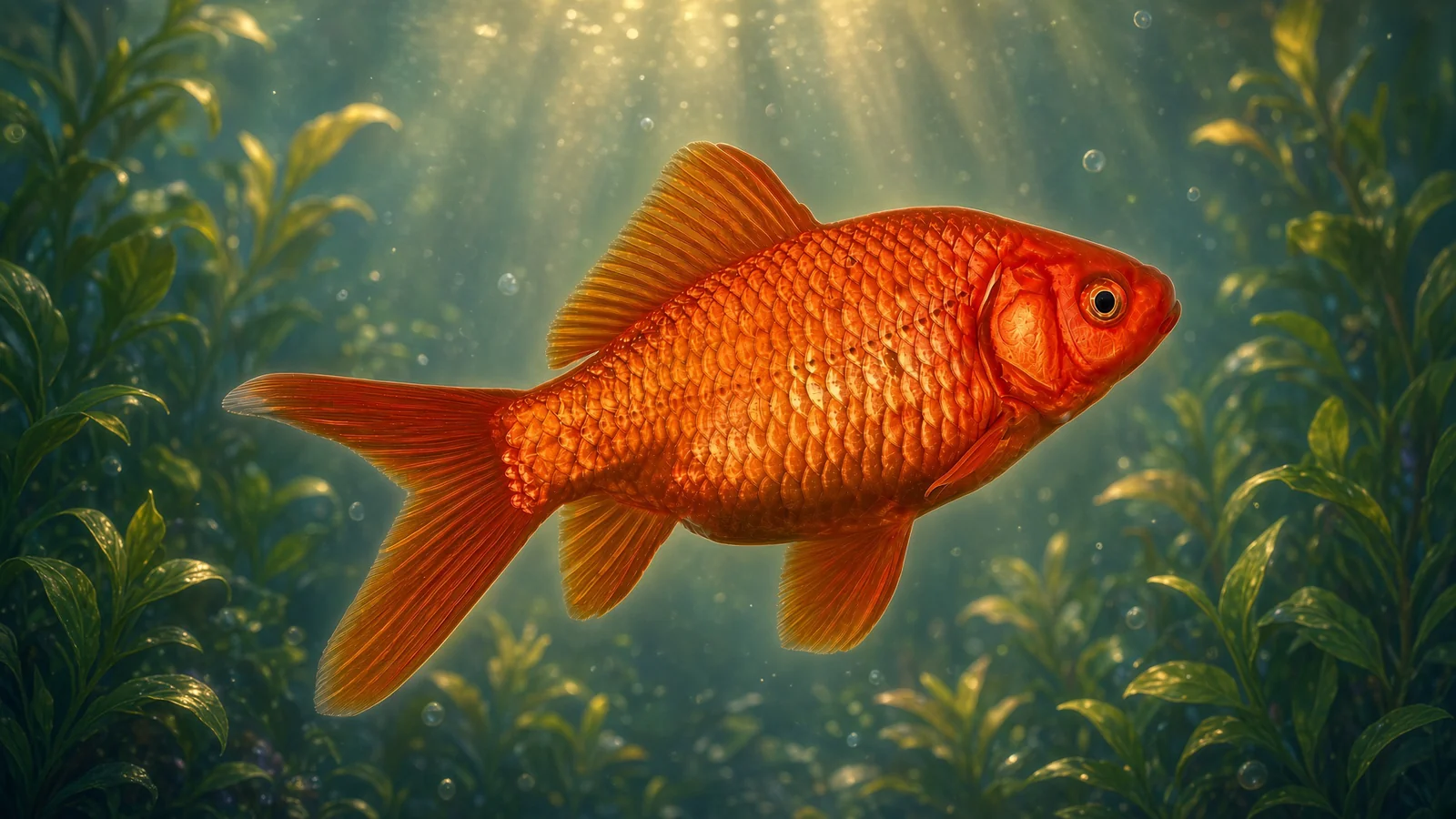
Goldfish (Carassius auratus) remain among the most popular inhabitants of home aquariums thanks to their beauty and relative hardiness. However, many beginning aquarists are surprised to learn how long do goldfish live when provided with proper care conditions. In my experience, correct setup can extend these pets’ lives several times compared to typical lifespans in small round bowls.
These members of the carp family are true long-lived champions among ornamental fish, but their potential only unfolds when specific care requirements are met.
How Long Do Goldfish Live in Aquariums
The average lifespan of goldfish in home conditions ranges from 10 to 15 years. With quality care, this figure can increase to 15-20 years, making them among the longest-living aquarium inhabitants. For comparison, many popular species such as guppies or bettas rarely reach 5 years.
It’s important to understand that body shape directly affects longevity. Slim-bodied varieties that retained more natural anatomy can live 25-30 years. Single-tailed forms average around 20 years. Fancy goldfish with modified anatomy typically live 10-15 years, while some selective breeds reach about 12 years.
The world record belongs to a goldfish named Tish from the United Kingdom, who lived 43 years and was entered into the Guinness Book of Records after death in 1999. There are also mentions of a fish called Goldie that reached 45 years, though this case is less documented.
Factors Determining Lifespan
Tank Volume
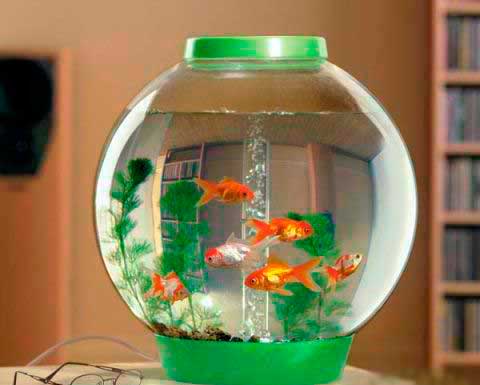
Container size is critically important for goldfish longevity. The minimum recommended volume is 50 liters per fish, though many experienced aquarists suggest starting with 150 liters to create a stable ecosystem. In small tanks or decorative bowls, fish live only 1-3 years due to accumulation of toxic waste products and lack of space, which leads to compression of internal organs and stunted growth.
Water Quality
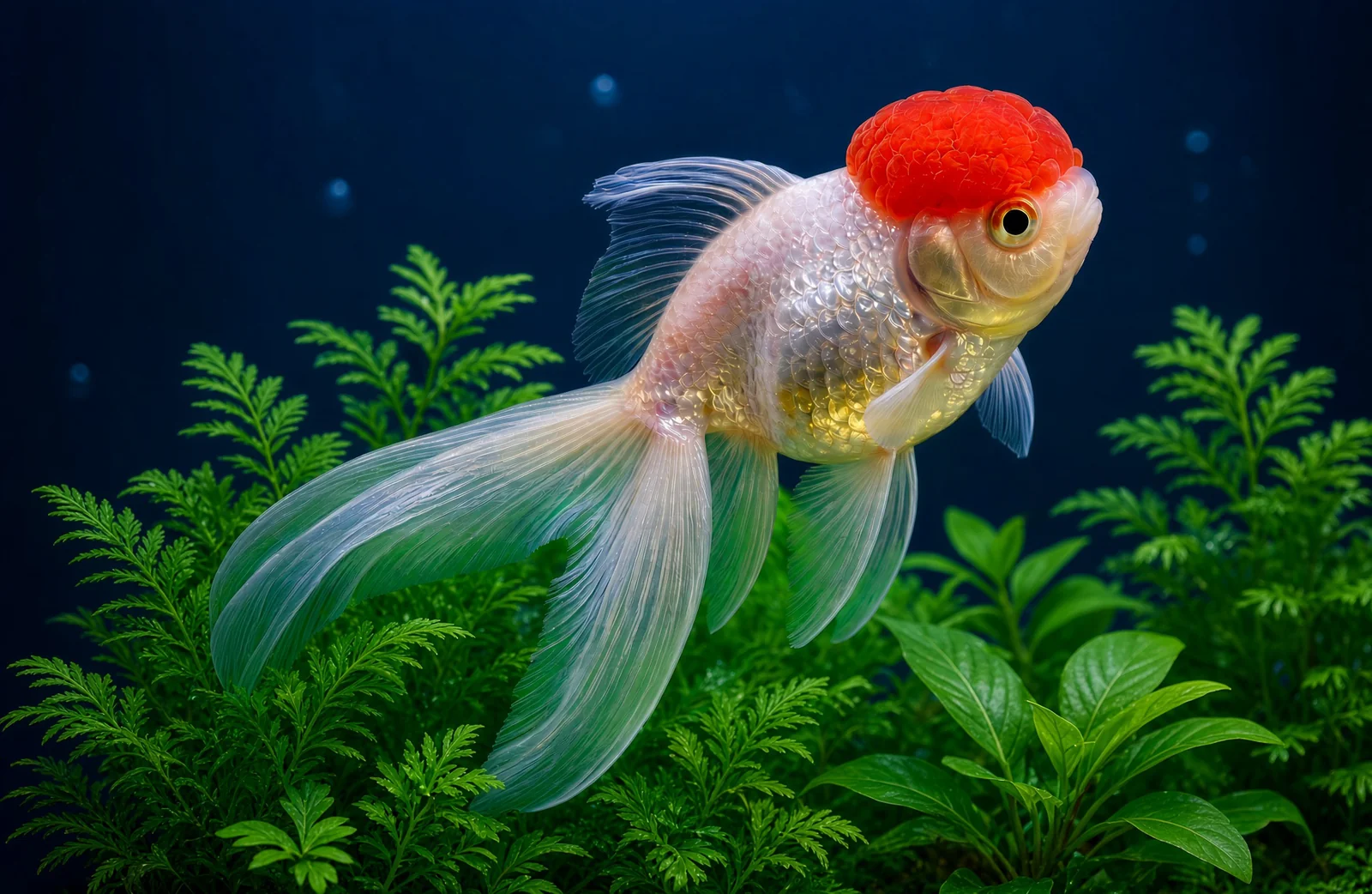
Goldfish produce significant amounts of waste, so water quality directly determines their health and lifespan. Effective filtration and regular water changes are necessary—typically 20-30% weekly. In unsuitable conditions with poor filtration, average lifespan drops to 6-8 years, rarely exceeding 10 years.
Temperature Regime
Goldfish are coldwater species with a comfortable temperature range of 18-23°C. Cooler water promotes increased longevity, whereas in warm water metabolic processes accelerate and the life cycle passes more quickly. This is an important distinction from many tropical species that prefer higher temperatures.
Nutrition and Its Impact on Longevity
Overfeeding poses a serious threat to goldfish, as they’re prone to overeating and obesity. Excessive feeding not only shortens lifespan but also degrades water quality through uneaten food remnants and increased waste.
Food quality also plays a key role. A balanced diet should include specialized goldfish foods containing necessary vitamins and minerals. It’s recommended to feed small portions 1-2 times daily, with the amount consumed within 2-3 minutes.
Pond and Natural Conditions
In garden ponds, goldfish can live up to 25 years thanks to large water volume, natural filtration, and stable cool temperatures. Pond keeping often provides more favorable conditions than aquariums, especially for slim-bodied forms.
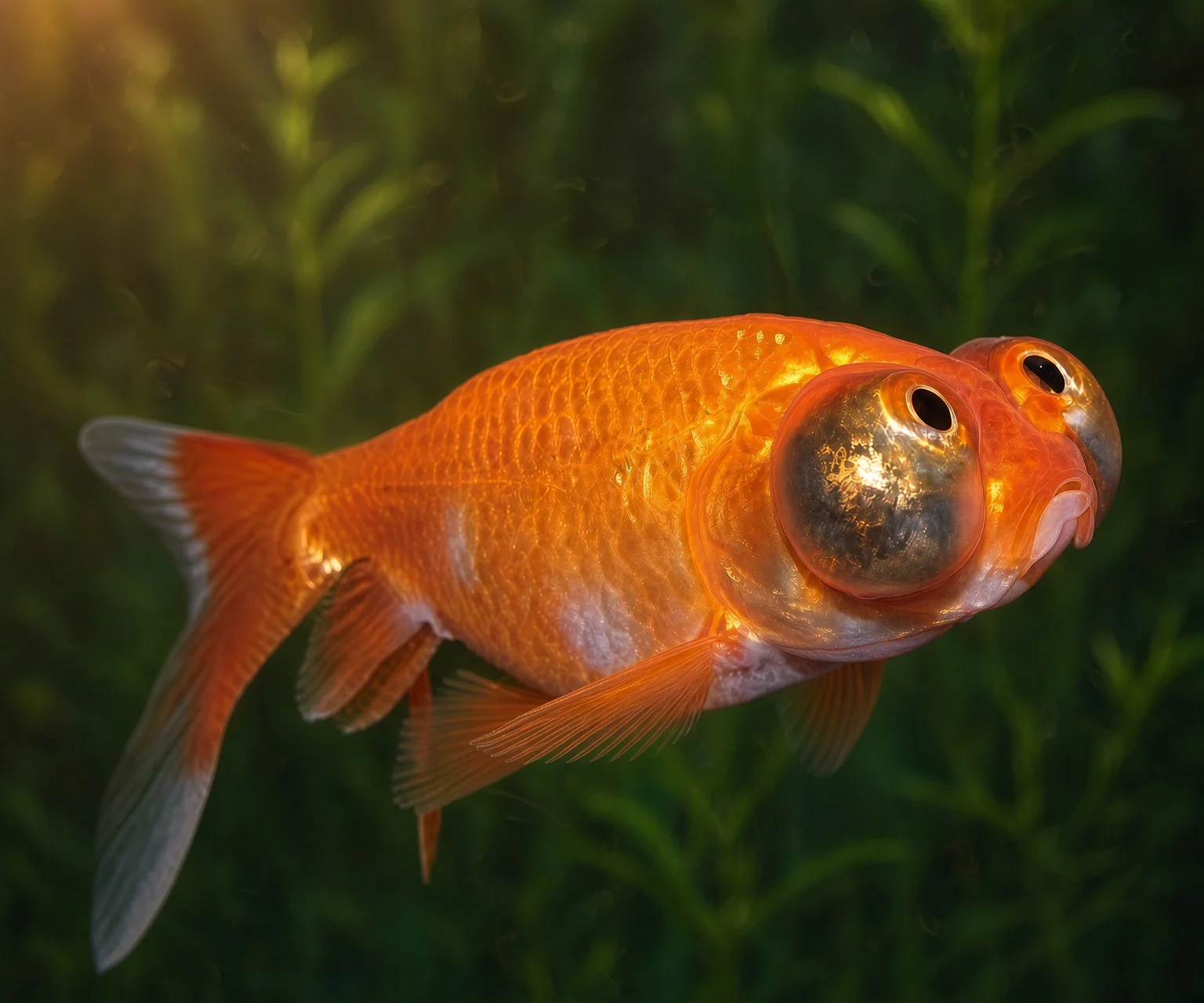
Interestingly, in nature lifespan is usually shorter than in captivity due to predators, diseases, and unpredictable environmental conditions. Home keeping with proper approach creates a more protected and stable habitat.
Practical Recommendations for Extending Lifespan
Choosing Tankmates
Compatibility with other species affects how long do goldfish live. Aggressive neighbors can injure them, cause stress, and thereby shorten lifespan. It’s best to keep goldfish separately or with other peaceful coldwater species. Avoid tank overcrowding, as stress from lack of space negatively impacts health.
Disease Prevention
Regular observation of behavior and appearance helps identify health problems early. Quarantining new fish before adding them to the main tank prevents infection spread. Maintaining stable water parameters and avoiding sudden condition changes strengthens immunity.
Breeding and Age
Goldfish reach sexual maturity in their first year, but for breeding purposes it’s better to use individuals aged 2 to 4 years. During this period they’re in their prime and produce the highest quality offspring. Understanding the life cycle helps plan breeding and provide optimal care at each stage.
Conclusion
How long goldfish live in aquariums depends on numerous interconnected factors—from tank volume and water quality to nutrition and tankmate compatibility. With the right approach, these remarkable creatures can delight their owners for fifteen to twenty years, sometimes longer. I recommend beginning aquarists not skimp on tank size and filtration systems—these investments pay off in years of healthy, beautiful fish. Goldfish prove that with proper attention, even traditional aquarium species can become true long-lived residents of home waters.