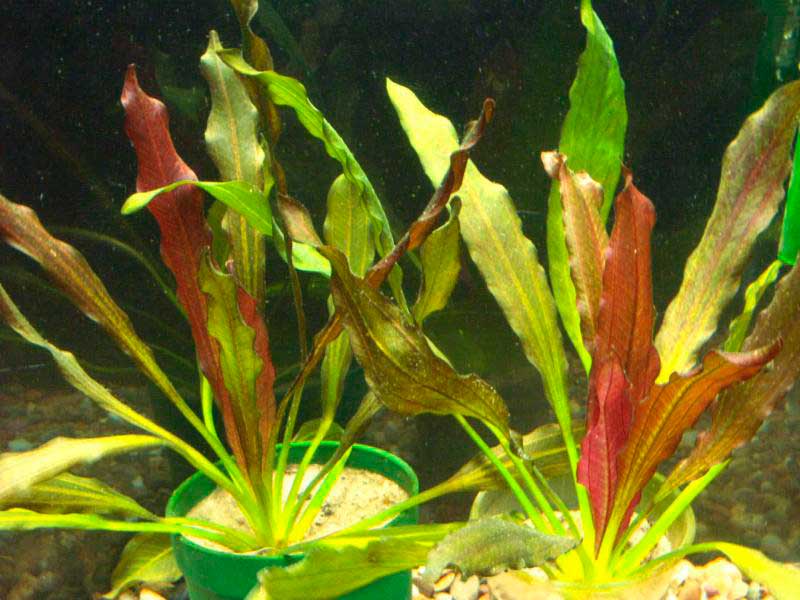
Orchid in Aquarium: A Strange Idea or a Real Possibility?
An orchid in an aquarium sounds like an idea straight out of science fiction. At first glance, it seems impossible — orchids are delicate terrestrial plants, while aquariums are an entirely aquatic world. Yet this seemingly absurd combination is not only possible but can result in a truly spectacular display.
The family Orchidaceae is one of the largest among flowering plants, comprising between 20,000 and 28,000 species — and tens of thousands of cultivated hybrids on top of that. Orchids have colonized virtually every ecological niche on Earth, from tropical rainforests to alpine meadows, from arid savannas to waterlogged swamps. And yet, until aquarium hobbyists turned their attention to one obscure species, no orchid had truly mastered life underwater.
If you’re interested in what plants can do in an aquarium environment, you might first want to explore whether aquarium plants are necessary at all — the answer might surprise you.
The Biology of Orchids: Why They’re So Demanding
To appreciate why an orchid in an aquarium is such a remarkable exception, it helps to understand orchid biology.
Reproduction is extraordinary. Orchid seeds are among the smallest in the plant kingdom — one thousand seeds of some species weigh just one-thousandth of a gram. Each seed is a tiny embryo wrapped in a paper-thin coat that allows it to drift enormous distances on air currents. But when it lands, the embryo faces a critical challenge: no natural substrate can provide all the nutrients it needs to develop.
Nature’s solution is elegant. Orchid embryos secrete specific compounds that attract fungi. The fungal mycelium grows toward the embryo and becomes its nutritional supplier. Whether this constitutes true symbiosis or a form of parasitism remains a topic of scientific debate. Either way, without the right fungal partner, an orchid seed simply will not germinate.
In cultivation, orchid seeds are sown in specially formulated synthetic media — a process requiring sophisticated equipment and expertise well beyond the reach of most hobbyists. This is why the vast majority of orchid enthusiasts focus on growing established plants rather than raising them from seed.
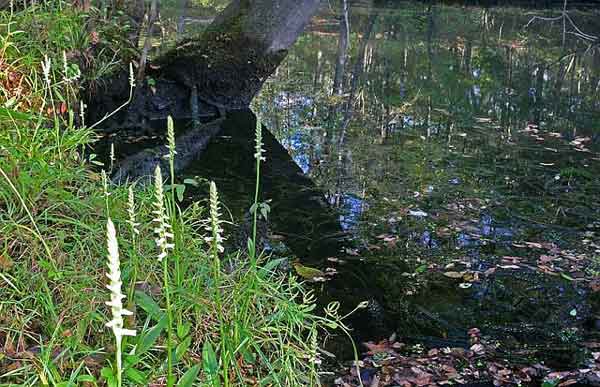
Slow growth is another defining trait. Some species don’t flower until their second decade of life. In nature — in the dim half-light of jungles, at high humidity, in specific substrates — orchids thrive. But in the dry air of a typical apartment, most species struggle or fail entirely. The ideal home environment for most orchids is a terrarium or paludarium, where humidity can be carefully controlled.
Spiranthes odorata: The Only True Aquarium Orchid
And yet, one species defies all expectations: Spiranthes odorata (Fragrant Ladies’ Tresses), a member of the family Orchidaceae. This is the plant that makes the concept of an orchid in an aquarium a reality.
The species name odorata means “fragrant” — and for good reason. When in bloom, the plant releases a delicate, remarkably pleasant scent that can fill an entire room.
Plant description:
– Large, horizontal rhizome growing in the substrate
– Fleshy, dark green basal leaves, up to 25–30 cm long and about 2–3 cm wide
– Very short petioles
– Erect flower spike, 40–60 cm tall, bearing a spiral inflorescence of small white flowers
– Does not flower underwater, but maintains its leaf rosette and continues to grow
Our editorial experience confirms: Spiranthes odorata performs best in a shallow aquarium or paludarium, where the roots and lower leaves are submerged while the upper leaves and flower spike rise above the water’s surface. In such conditions, the plant grows actively and will periodically reward its keeper with blooms.
In fully submerged conditions, growth slows noticeably, but the plant remains viable — a fact documented in aquatic plant literature and confirmed by hobbyists worldwide (Aquatic Gardeners Association).
Care Parameters Table for Spiranthes odorata
| Parameter | Optimal Value |
|---|---|
| Water temperature | 18–24 °C (64–75 °F) |
| pH | 6.5–7.5 |
| Hardness (GH) | 4–12 °dH |
| Lighting | Moderate to bright, 10–12 hrs/day |
| Substrate | Fine gravel, nutrient-rich base |
| Planting depth | Rhizome in substrate, leaves at or above surface |
| Fertilization | Root tabs, moderate liquid fertilizer |
| Difficulty | Intermediate |
| Tank type | Paludarium, shallow aquarium |
Practical Tips for Keeping an Orchid in Your Aquarium
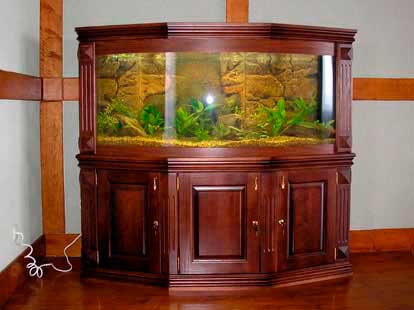
Tank selection. A shallow aquarium or paludarium 25–35 cm deep is ideal. With a water level of 15–20 cm, the plant’s leaves can reach the surface while the flower spike extends into the air above.
Substrate. Spiranthes odorata prefers a loose, slightly nutrient-rich substrate. A mix of fine gravel with aquatic plant soil works well. Position the rhizome horizontally and avoid burying it too deep.
Lighting. The plant needs bright or moderate light for 10–12 hours per day. In low-light conditions, growth will stall and flowering becomes unlikely.
Filtration. Water quality is critical. A reliable filter is essential — learn more about maintaining aquarium life with the right equipment. Water must be clean, with stable parameters. If your water turns cloudy, check our guide on why aquarium water becomes murky and how to fix it.
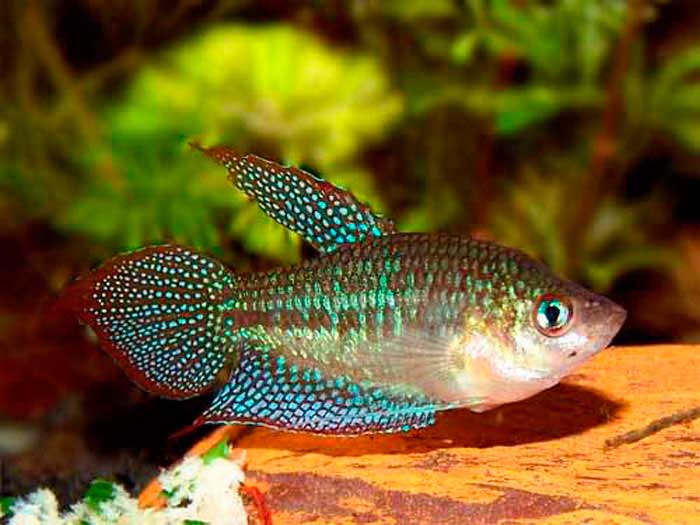
Tankmates. Spiranthes odorata pairs well with peaceful fish that won’t damage plants. Mollies (Poecilia sphenops) are an excellent choice — hardy, attractive, and completely harmless to aquatic vegetation.
Fertilization. Use root tabs or a nutrient substrate base. Apply liquid fertilizers sparingly to avoid water quality issues.
Propagation. In aquarium conditions, propagation is done by dividing the rhizome. Separate a section with a few leaves and replant it in prepared substrate. Seed propagation at home is essentially impossible for the reasons described above.
FAQ: Common Questions About Orchids in Aquariums
1. Can I put a regular houseplant orchid (like a Phalaenopsis) in my aquarium?
No. Phalaenopsis and most popular houseplant orchids cannot tolerate permanent root submersion and will quickly rot and die in an aquarium. Only Spiranthes odorata is suitable for aquatic conditions.
2. Will the orchid flower underwater?
No. Spiranthes odorata does not bloom underwater. Flowering only occurs when the flower spike rises above the water surface — as in a paludarium or shallow open-top aquarium.
3. How often should I change the water?
A weekly water change of 20–25% of tank volume is recommended. This maintains stable parameters and clean water, which is especially important for the plant’s root system.
4. What water temperature does Spiranthes odorata prefer?
The optimal range is 18–24 °C (64–75 °F). The plant prefers moderately cool water and does not tolerate temperatures above 26–27 °C well.
5. Where can I buy Spiranthes odorata for my aquarium?
This is a rare plant. Look for it through specialist aquatic plant suppliers, aquarium hobbyist forums, and plant collectors. It is rarely found in general pet stores.
Sources: Aquatic Gardeners Association, Kew Royal Botanic Gardens — Orchidaceae.
Last updated: July 04, 2026