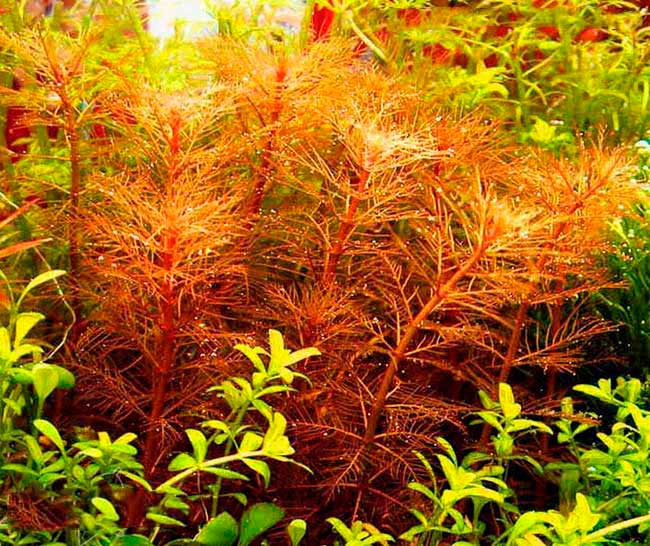
Мyriophyllum mattogrossense red is a very beautiful representative of the underwater flora. But because of the high requirements for the content of amateurs is quite rare. More suitable for the Dutch aquarium. However, to be fair, it should be noted that in a regular aquarium can also develop well. If you know the conditions in which he feels best, you can grow very beautiful specimens. Like any living creature, it will respond to your care for him and blossom with its needle-like branches and will delight your eyes with an almost fantastic picture of the underwater world.
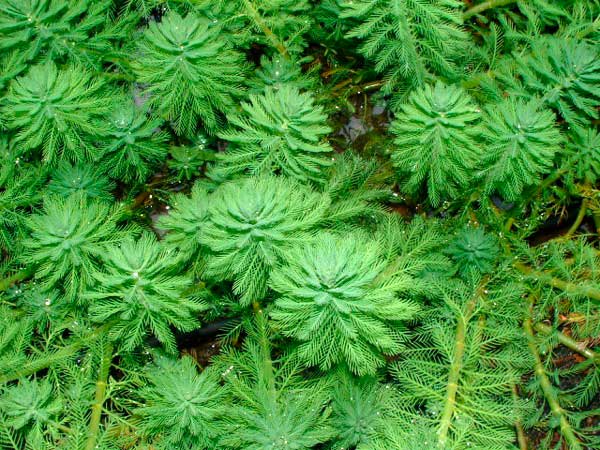
Myriophyllum aquaticum
The myriophyllum aquaticum is probably the most unpretentious of all peristome species. It is quite widespread in the aquariums of amateurs. Due to its appearance and relative ease of maintenance. The emerald coloring of its deeply cut leaves forming dense thickets in the aquarium create a very beautiful decorative effect.
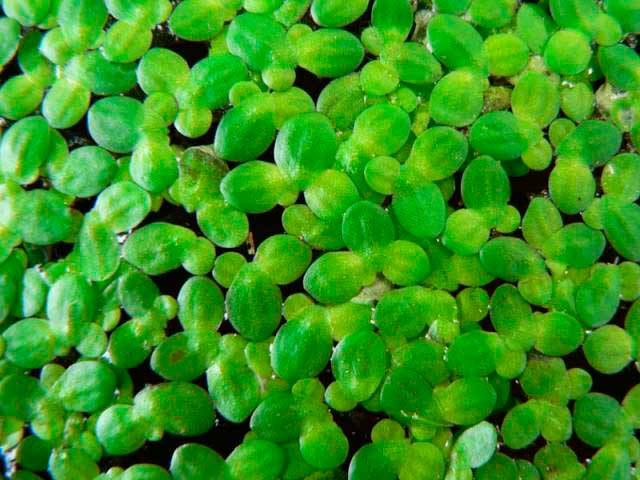
Lemna minor
The Lemna minor plant is widespread and plays an important role in all biotopes in which it is found. It is a kind of biological filter, purifying the water from excess mineral substances. It is a food base for fish, amphibians and some birds. Red-eared turtles are very fond of this grass. In most cases, a person considers it as a weed. But the amount of protein in this plant and its ability to clean the environment makes us think about the true role of this plant in biotopes and human life.
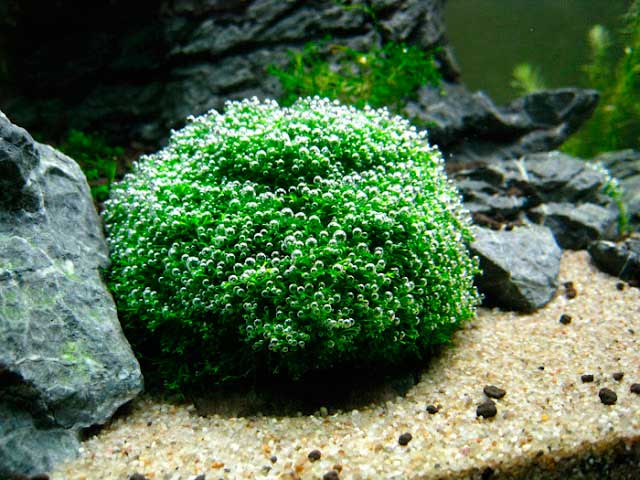
Riccia
Riccia in the aquarium is mainly represented by the species Riccia fluitans (Riccia floating) of the liverwort genus. This species has become widespread in aquarium culture due to its unpretentiousness. Other species of this genus are more demanding to the conditions of content and therefore not so popular among aquarists. Despite its unpretentiousness and seemingly unsightly appearance, richchia in the aquarium can help to realize many design ideas.

Hornwort submerged
Hornwort submerged is distributed everywhere. It grows in standing and slow-flowing water. Perfectly adapted to aquarium conditions.

Vallisneria spiralis
Vallisneria spiralis is quite widespread in the south of Europe. It forms huge thickets at the mouth of the Dnieper, Bug and other rivers.