
The Diamond Cichlasoma (Herichthys carpintis), also known as the Texas Cichlid or Pearl Cichlasoma, stands as one of the most magnificent representatives of American cichlids. This striking fish has earned widespread popularity among aquarists worldwide due to its iridescent scales and vibrant personality.

Sajica Cichlid: Care Guide for Amatitlania sajica
Description and Classification
The Sajica Cichlid (Amatitlania sajica, synonyms: Cryptoheros sajica, Archocentrus sajica, Cichlasoma sajica) stands out as one of the most peaceful representatives of Central American cichlids. With its relatively small size, attractive coloration, and tolerance toward live plants, this species makes an ideal choice for beginning aquarists.

Salvini Cichlid: Care Guide for Trichromis salvini
Introduction
The Salvini Cichlid was first described by Günther in 1862, yet it only found its way into home aquariums toward the end of the last century. This species captivates hobbyists with its vibrant coloration and the remarkable intelligence characteristic of cichlids. However, keeping this fish comes with challenges related to its territorial nature. Once you navigate these difficulties, the rewards are well worth the effort.

Convict Cichlid: Care Guide for Beginners
Introduction
The convict cichlid was first described in 1867 and has since won numerous admirers among aquarists worldwide. This hardy, relatively peaceful fish with fascinating behavioral traits can be kept in medium-sized aquariums, making it an almost ideal choice for hobbyists looking to explore the remarkable world of cichlids.

Jack Dempsey Cichlid: Complete Care Guide
Overview and Natural Habitat
The Jack Dempsey cichlid (Rocio octofasciata) is a stunning freshwater fish first described by Charles Regan as Heros octofasciatus. European aquarists received this species around 1904, while hobbyists in the Soviet Union didn’t encounter it until 1958. Despite being kept in aquariums for over a century and facing competition from many newer species, the Jack Dempsey maintains its popularity among fishkeepers worldwide.
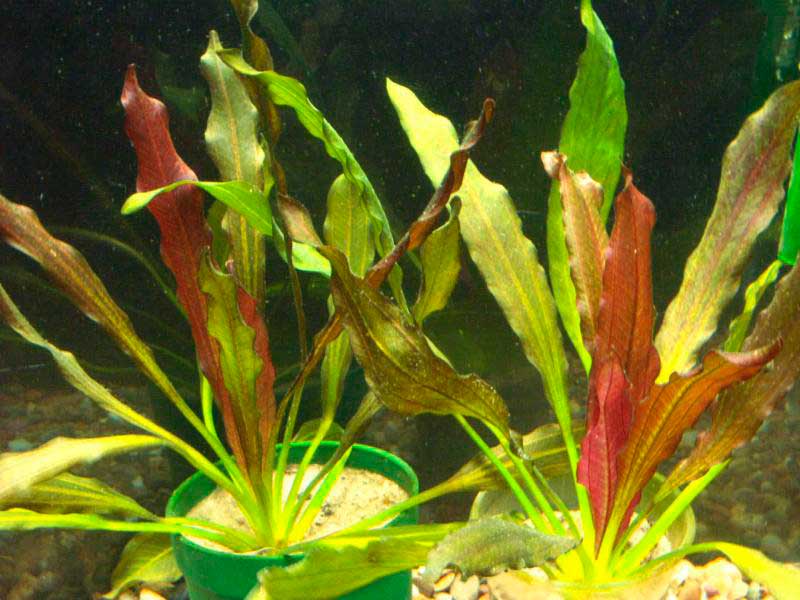
Echinodorus Florens: Care Guide for Aquarium Plant
Overview
Echinodorus florens belongs to a diverse genus rich in numerous species. The natural diversity is constantly supplemented by artificially created hybrids. Echinodorus florens is one such hybrid, also known as Echinodorus veronicae. There is still no clear distinction between these two names, and they share similar care requirements. Therefore, both names are used interchangeably throughout this article.
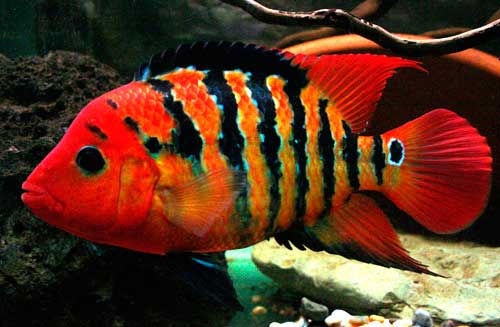
Festa’s Cichlid: Care Guide for Mesoheros festae
Classification
| Taxon | Name |
|---|---|
| Kingdom | Animalia |
| Phylum | Chordata |
| Class | Actinopterygii |
| Order | Cichliformes |
| Family | Cichlidae |
| Genus | Mesoheros |
| Species | Mesoheros festae |
Synonyms: Orange Cichlid, Cichlasoma festae, Heros festae, Herichthys festae, Nandopsis festae, Amphilophus festae
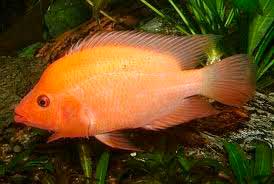
Midas Cichlid: Care Guide for Amphilophus citrinellus
Introduction
The Midas Cichlid is an exceptionally large fish by aquarium standards. In the wild, it can reach lengths of up to 35 centimeters. Behind aquarium glass, specimens are usually somewhat smaller, but still impressive in size. Combined with its size, this is a predatory species that shows aggression even toward its own kind. Nevertheless, since arriving in Europe around 1970, the Midas Cichlid quickly gained devoted enthusiasts. The reasons are clear: unusual appearance, beautiful coloration, and fascinating behavior. The challenges involved—or rather, overcoming them—may also contribute to its popularity. Despite the difficulties mentioned above, this stunning fish is worth getting to know better. You might be perfect for each other.
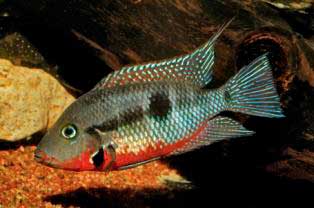
Cichlasoma meeka
The Cichlasoma meeka is one of the most beautiful American cichlids. It was first described at the dawn of the last century, namely in 1918 by the American researcher Walter L. Brind. The fish was named in honor of the American ichthyologist Seth Eugene Meek. After revision of the genus Cichlasoma this species was assigned to the genus Thorichthys, so now it would be more correct to call the article about this fish Thorichthys meeki.